
Unveiling the Potency of Tea Tree Shampoo for Dandruff and Oily Scalp: Your Ultimate Guide
Tea tree oil, derived from the leaves of the Melaleuca alternifolia plant, has gained immense popularity for its natural antibacterial and antifungal properties. When harnessed in shampoos, it becomes a potent solution for those battling dandruff and managing an oily scalp. In this comprehensive guide, we’ll explore the best tea tree shampoos available in India, diving into the key ingredients, benefits, and tips for optimal use.
Introduction
Tea tree oil has been a staple in traditional medicine for centuries, known for its remarkable healing properties. When incorporated into shampoos, it addresses specific scalp concerns such as dandruff and excessive oiliness. Let’s delve into the world of the best tea tree shampoos, understanding their formulations and how they can transform your hair care routine.
Understanding Tea Tree Oil: A Natural Elixir
Tea tree oil is renowned for its antimicrobial and anti-inflammatory properties. Its ability to combat bacteria, fungi, and viruses makes it an ideal ingredient for addressing scalp issues. When used in shampoos, tea tree oil helps maintain a healthy scalp environment, reducing the factors that contribute to dandruff and oily scalp conditions.
Key Ingredients in Tea Tree Shampoos
Tea Tree Oil (Melaleuca alternifolia):
Benefits: Renowned for its antifungal and antibacterial properties, tea tree oil stands as a powerful combatant against dandruff-causing fungi and bacteria. Its therapeutic benefits make it an ideal ingredient for promoting a healthy scalp.
Use: Typically found as the primary ingredient in tea tree shampoos, tea tree oil serves as the cornerstone, delivering its therapeutic advantages directly to the scalp.

Salicylic Acid:
Benefits: Salicylic acid plays a crucial role in exfoliating the scalp, effectively removing dead skin cells and diminishing flakiness commonly associated with dandruff. Its exfoliating properties contribute to a healthier scalp environment.
Use: Incorporated into tea tree shampoos to boost their exfoliating prowess, salicylic acid enhances the removal of flaky skin, fostering an environment conducive to scalp health.
Peppermint Oil:
Benefits: Peppermint oil brings a refreshing and stimulating element to tea tree shampoos. Beyond its pleasant scent, it invigorates the scalp, promoting circulation, which is vital for maintaining a healthy and nourished scalp.
Use: Aside from contributing to the fragrance, peppermint oil’s invigorating properties add a sensory delight to the shampoo, making the hair-washing experience more enjoyable.
Eucalyptus Oil:
Benefits: Eucalyptus oil introduces a cooling effect to tea tree shampoos, amplifying their antimicrobial properties. Known for its refreshing nature, eucalyptus oil complements the tea tree oil, creating a synergistic blend.
Use: Often combined with tea tree oil in formulations, eucalyptus oil enhances the overall effectiveness of the shampoo, contributing to a scalp environment resistant to microbial growth.
Aloe Vera:
Benefits: Aloe vera, with its soothing and moisturizing attributes, serves as a balancing force in tea tree shampoos. It alleviates irritation and provides hydration, countering the potential drying effect that may accompany tea tree oil.
Use: Included to introduce a calming element, aloe vera ensures that the shampoo maintains a gentle approach, suitable for various scalp types, including those prone to sensitivity.
In combination, these key ingredients create a potent formulation in tea tree shampoos, addressing not only dandruff concerns but also ensuring a refreshing and invigorating experience for the scalp. The synergy of these components delivers a holistic solution for those seeking a natural remedy for dandruff and an oily scalp.
Choosing the Right Tea Tree Shampoo
Selecting the best tea tree shampoo involves considering various factors to match individual needs and preferences. Here are essential aspects to look for:
Tea Tree Oil Concentration:
Guidance: When selecting a tea tree shampoo, it’s essential to consider the concentration of tea tree oil. Opt for products with an effective concentration, typically ranging from 1% to 5%, as this ensures optimal results in addressing dandruff and promoting scalp health.
Additional Active Ingredients:
Guidance: For a comprehensive solution, look for tea tree shampoos enriched with complementary ingredients. Components like salicylic acid, peppermint oil, or eucalyptus oil can enhance the efficacy of the shampoo, providing a well-rounded approach to scalp care.
Hair Type Consideration:
Guidance: Different hair types have varying needs. Whether you have oily, dry, or normal hair, choose a tea tree shampoo that aligns with your specific hair type. This ensures that the formulation addresses your hair’s unique requirements.
Sulfate-Free Formulation:
Guidance: To prevent excessive drying of the scalp and hair, opt for tea tree shampoos that boast a sulfate-free formulation. Sulfates, commonly found in many shampoos, can strip the hair and scalp of natural oils, leading to dryness and potential irritation.
Brand Reputation:
Guidance: Research plays a crucial role in choosing the right tea tree shampoo. Opt for reputable brands with a positive reputation for producing high-quality hair care products. Reviews and recommendations can provide insights into the effectiveness and reliability of the brand’s tea tree shampoos.
By considering these factors, you can make an informed decision when choosing a tea tree shampoo for dandruff and oily scalp. The concentration of tea tree oil, additional active ingredients, suitability for your hair type, sulfate-free formulation, and the reputation of the brand collectively contribute to the efficacy and satisfaction you can derive from the product.
Benefits of Tea Tree Shampoo for Dandruff and Oily Scalp
Dandruff Control:
- Explanation: Tea tree oil’s antifungal properties target the yeast responsible for dandruff, providing effective control and prevention.
Oil Balancing:
- Explanation: Tea tree oil helps regulate oil production on the scalp, making it an excellent choice for those with oily scalp concerns.
Scalp Soothing:
- Explanation: Ingredients like aloe vera soothe and calm the scalp, reducing irritation associated with dandruff and oiliness.
Improved Hair Texture:
- Explanation: Regular use of tea tree shampoo can lead to improved hair texture, leaving it soft and manageable.
Fresh and Invigorating Feel:
- Explanation: The inclusion of peppermint or eucalyptus oil provides a refreshing sensation, leaving the scalp invigorated.
How to Use Tea Tree Shampoo for Optimal Results
Frequency:
Guidance: To effectively address dandruff and oily scalp concerns, use tea tree shampoo 2-3 times a week or as recommended on the product label. Adjust the frequency based on individual needs and preferences, ensuring a balance between cleanliness and maintaining natural oils.
Scalp Massage:
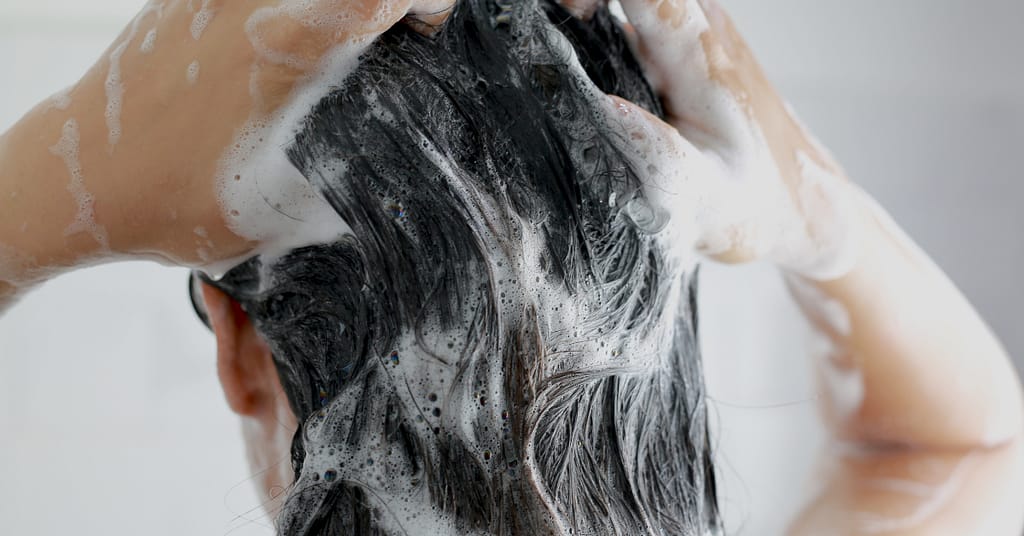
Guidance: When applying tea tree shampoo, incorporate a gentle scalp massage. This not only enhances the shampoo’s effectiveness by promoting blood circulation but also ensures even distribution across the scalp. The massage can be a relaxing part of your hair care routine.
Leave-In Time:
Guidance: For optimal results, allow the tea tree shampoo to sit on the scalp for a few minutes before rinsing. This gives the active ingredients, such as tea tree oil and other beneficial components, sufficient time to work on addressing dandruff and soothing the scalp.
Follow with Conditioner:
Guidance: While tea tree shampoo is beneficial for the scalp, it’s essential to maintain the moisture balance in the lengths of your hair. After using the tea tree shampoo, follow up with a conditioner to nourish and hydrate the hair strands, keeping them soft and manageable.
By following these guidelines on frequency, scalp massage, leave-in time, and conditioner use, you can maximize the effectiveness of your tea tree shampoo for dandruff and oily scalp. These steps contribute to a comprehensive hair care routine that addresses specific concerns while ensuring overall hair health and vitality.
Tips for Choosing the Best Tea Tree Shampoo
Read Reviews:
Advice: Before making a purchase, take the time to read online reviews of the tea tree shampoo you’re considering. Real-life experiences shared by other users can provide valuable insights into the product’s effectiveness, fragrance, and any potential issues. Look for reviews from individuals with similar hair types or specific concerns, such as dandruff and oily scalp.
Patch Test:
Advice: Perform a patch test before incorporating the tea tree shampoo into your regular hair care routine. Apply a small amount of the shampoo to a discreet area on your scalp or skin and observe for any adverse reactions. This is especially crucial for individuals with sensitive skin or those prone to allergies. If irritation occurs, discontinue use.
Check for Sulfates:
Advice: Opt for tea tree shampoos that are sulfate-free. Sulfates, such as sodium lauryl sulfate (SLS), can strip the scalp and hair of natural oils, leading to excessive dryness. Choosing a sulfate-free formulation is particularly don’t forget for individuals with dry or sensitive scalps to maintain a healthy moisture balance.
Consider Hair Type:
Advice: When selecting a tea tree shampoo, consider your hair type. Different formulations cater to specific needs, such as oily, dry, or normal hair. Choosing a product designed for your hair type ensures that you receive the most suitable treatment for your individual concerns, enhancing the shampoo’s effectiveness.
By heeding these pieces of advice, you can make informed decisions when selecting and using a tea tree shampoo for dandruff and oily scalp. This proactive approach contributes to a positive and personalized hair care experience.
Summing Up!
The best tea tree shampoos for dandruff and oily scalp offer a natural and effective solution for those seeking to address specific scalp concerns. Understanding the key ingredients, benefits, and proper usage helps you make an informed choice. Whether you’re dealing with persistent dandruff or an oily scalp, the refreshing and the rapeutic properties of tea tree oil might be the solution you’ve been searching for in your hair care routine.
FAQs:
Q1: What makes tea tree oil effective for treating dandruff and oily scalp?
Answer: Tea tree oil possesses natural antifungal and antibacterial properties, making it effective against the yeast and bacteria that contribute to dandruff. It also helps regulate oil production on the scalp, addressing concerns of excessive oiliness.
Q2: Can tea tree shampoo be used on color-treated hair?
Answer: Many tea tree shampoos are formulated to be gentle on color-treated hair. However, it’s advisable to check the product label for confirmation. Also , choosing a sulfate-free option minimizes the risk of color fading.
Q3: How often should I use tea tree shampoo for optimal results?
Answer: The frequency of use depends on individual needs and the product’s recommendations. Generally, using tea tree shampoo 2-3 times a week is a good starting point. Adjust based on your hair type and specific requirements.
Q4: Are there any potential side effects of using tea tree shampoo?
Answer: While tea tree oil is generally well-tolerated, some individuals may experience mild irritation or allergic reactions. Performing a patch test before regular use helps identify any adverse effects.
Q5: Can tea tree shampoo be used by individuals with sensitive skin?
Answer: Yes, tea tree shampoo is often suitable for sensitive skin. Opting for a sulfate-free and gentle formulation can further minimize the risk of irritation.
Q6: Is it necessary to follow tea tree shampoo with a conditioner?
Answer: Yes, using a conditioner after tea tree shampoo is recommended to maintain the moisture balance of the hair. Apply the conditioner to the lengths of your hair, avoiding the scalp.
Q7: Can tea tree shampoo help with scalp conditions other than dandruff?
Answer: Yes, tea tree shampoo’s antifungal and antibacterial properties make it beneficial for addressing various scalp conditions, including itchiness, dryness, and flakiness.
Q8: Can pregnant or breastfeeding individuals use tea tree shampoo?
Answer: While tea tree oil is generally considered safe, it’s advisable for pregnant or breastfeeding individuals to consult with a healthcare professional before using products containing essential oils.