
Skin Allergies: Diagnosis, Prevention & Treatment
Understanding Skin Allergies
Skin allergies are very common, and they can affect people of all ages. They happen when the body reacts to something that is usually harmless. As a result, the skin may become red, itchy, or swollen.
In many cases, people do not know the exact cause. For example, dust, food, skincare products, or even stress can trigger a reaction. Therefore, understanding the cause is the first step toward proper care. In addition, early awareness helps prevent future problems.
What Are Skin Allergies?
Skin allergies occur when the immune system reacts to a trigger. Then, it releases chemicals that cause irritation. As a result, visible skin problems appear.
Common Symptoms
- Redness and irritation
- Itching or burning feeling
- Swelling or small bumps
- Dry or rough skin
- Blisters or hives
- Peeling skin
At first, these symptoms may be mild. However, they can become serious if ignored. Therefore, early care is important.
Types of Skin Allergies
Contact Dermatitis
This type occurs when the skin touches something harmful. As a result, irritation develops quickly.
Common Causes:
- Soaps and detergents
- Skincare products
- Metal items like jewelry
- Certain plants
Symptoms:
- Red rash
- Itching
- Blisters in some cases
Atopic Dermatitis
This is a long-term skin condition. It often begins in childhood. Moreover, it is linked to genetics and environment.
Common In:
- Children
- People with allergies
Symptoms:
- Dry skin
- Itching
- Red patches
Urticaria
Hives appear suddenly on the skin. However, they often disappear after some time.
Common Causes:
- Food
- Medicines
- Stress
Symptoms:
- Raised itchy spots
- Red or pale patches
Angioedema
This condition causes swelling under the skin. In most cases, it affects the face or lips.
Symptoms:
- Deep swelling
- Pain or tenderness
Photosensitivity
This occurs when the skin reacts to sunlight. As a result, irritation appears after sun exposure.
Symptoms:
- Redness
- Rash
- Itching
Causes of Skin Allergies
Skin allergies can develop due to many reasons. In fact, each person may react differently.
Environmental Causes
- Dust and pollen
- Pollution
- Weather changes
- Sun exposure
Product and Chemical Causes
- Soaps and shampoos
- Perfumes and cosmetics
- Cleaning products
- Synthetic clothes
Food-Related Causes
Certain foods can trigger reactions. For instance:
- Nuts
- Milk products
- Seafood
- Eggs
Medicine-Related Causes
Some medicines may also cause skin allergies. For example:
- Antibiotics
- Pain relievers
- Anti-inflammatory drugs
Genetic Causes
Sometimes, allergies run in families. Therefore, if your parents have allergies, your risk may increase.
How Skin Allergies Develop
Skin allergies follow a simple process.
- First, the skin comes in contact with a trigger
- Then, the body reacts and treats it as harmful
- After that, chemicals are released
- Finally, symptoms like itching and redness appear
As a result, repeated exposure can make the condition worse. Therefore, avoiding triggers is important.
Risk Factors
Some people are more likely to develop skin allergies. In addition, certain habits can increase the risk.
Common Risk Factors:
- Sensitive skin
- Family history
- Young age
- Existing allergies
- Frequent contact with chemicals
Get expert consultation for effective skin allergy treatment
Diagnosis of Skin Allergies
Proper diagnosis helps find the exact cause. As a result, treatment becomes more effective.
Medical History
First, doctors ask about symptoms and daily habits. In addition, they check past health records.
Physical Examination
Next, the doctor examines the skin carefully. This helps identify the type of allergy.
Allergy Tests
Doctors may suggest tests to confirm the cause.
Patch Test:
Used to check reactions from direct contact.
Skin Test:
Small amounts of allergens are placed on the skin.
Blood Test:
Shows how the body reacts to certain triggers.
Why Early Diagnosis Is Important
Early diagnosis offers many benefits. For example:
- It prevents the condition from getting worse
- It helps find triggers quickly
- It reduces long-term problems
- It improves comfort
Therefore, ignoring symptoms can lead to bigger issues later.
Daily Habits That Can Trigger Skin Allergies
Some daily habits may harm your skin. However, small changes can help.
Common Triggers:
- Using strong skincare products
- Wearing tight clothes
- Poor hygiene
- Excess sweating
- Exposure to dust and pollution
When to Seek Medical Help
Some symptoms need quick attention. In such cases, do not delay.
Warning Signs:
- Severe swelling
- Trouble breathing
- Fast-spreading rash
- Continuous itching
- Signs of infection
Therefore, timely medical care is very important.
- Apply moisturizer right after bathing
- Choose products for sensitive skin
- Use it at least twice daily
Sun Protection
Sun exposure can trigger allergies in some people. Therefore, protecting your skin is essential.
How to Protect:
- Use sunscreen regularly
- Wear protective clothing
- Avoid direct sunlight during peak hours
Choosing the Right Skincare Products
Not all products are safe for sensitive skin. So, choosing the right ones is important.
What to Look For
- Fragrance-free labels
- Hypoallergenic products
- Minimal ingredients
What to Avoid
- Alcohol-based products
- Strong perfumes
- Harsh chemicals
In addition, always test a new product on a small area first. This helps prevent full reactions.
Clothing and Fabric Choices
Clothing can also affect skin health. Therefore, choosing the right fabric matters.
Better Choices
- Cotton and soft fabrics
- Loose-fitting clothes
Avoid
- Tight clothing
- Synthetic materials
Moreover, washing clothes with mild detergents can reduce irritation.
Diet and Skin Allergies
What you eat affects your skin. Therefore, a healthy diet supports better skin health.
Foods That Help
- Fresh fruits and vegetables
- Foods rich in vitamins
- Plenty of water
Foods to Limit
- Processed foods
- Sugary snacks
- Known allergens
In addition, keeping a food diary can help identify triggers.
Importance of Hydration
Water plays a big role in skin health. It helps keep the skin hydrated and flushes out toxins.
Therefore, drinking enough water daily can reduce dryness and irritation.
Managing Stress for Healthy Skin
Stress can make skin allergies worse. In fact, many people notice flare-ups during stressful times.
Simple Stress Control Tips
- Practice deep breathing
- Get enough sleep
- Exercise regularly
As a result, managing stress can improve both skin and overall health.
Home Care Tips for Mild Allergies
Mild skin allergies can often be managed at home. However, proper care is still important.
Helpful Remedies
- Apply cold compress to reduce itching
- Use soothing lotions
- Take lukewarm baths
However, avoid scratching because it can worsen the condition.
Preventing Skin Damage
Protecting your skin barrier is very important. When the barrier is strong, it resists allergens better.
Protective Habits
- Avoid over-washing
- Use gentle products
- Pat skin dry instead of rubbing
In addition, keeping nails short helps prevent damage from scratching.
Seasonal Care for Skin Allergies
Weather changes can affect the skin. Therefore, adjusting your routine is necessary.
Summer Care
- Stay cool and hydrated
- Avoid excessive sweating
- Use light skincare products
Winter Care
- Use thicker moisturizers
- Avoid dry air
- Protect skin from cold winds
Care for Children with Skin Allergies
Children need extra care because their skin is more sensitive.
Tips for Parents
- Use mild baby products
- Keep skin clean and moisturized
- Dress children in soft fabrics
- Avoid known triggers
In addition, monitor symptoms closely and consult a doctor if needed.
When Prevention Is Not Enough
Sometimes, even after taking care, allergies may still occur. In such cases, medical advice is important.
Do not ignore repeated or severe reactions. Instead, consult a specialist for proper guidance.
Building a Skin-Friendly Lifestyle
Healthy skin needs consistent care. Therefore, combining good habits with proper hygiene is essential.
Key Lifestyle Tips
- Follow a daily skincare routine
- Eat healthy food
- Stay hydrated
- Manage stress
- Avoid triggers
As a result, these habits support long-term skin health.
Common Medical Treatments
Doctors may suggest different treatments based on symptoms. These treatments aim to reduce itching, swelling, and irritation.
Antihistamines
Antihistamines help control allergic reactions. They reduce itching and swelling. As a result, they provide quick relief in many cases.
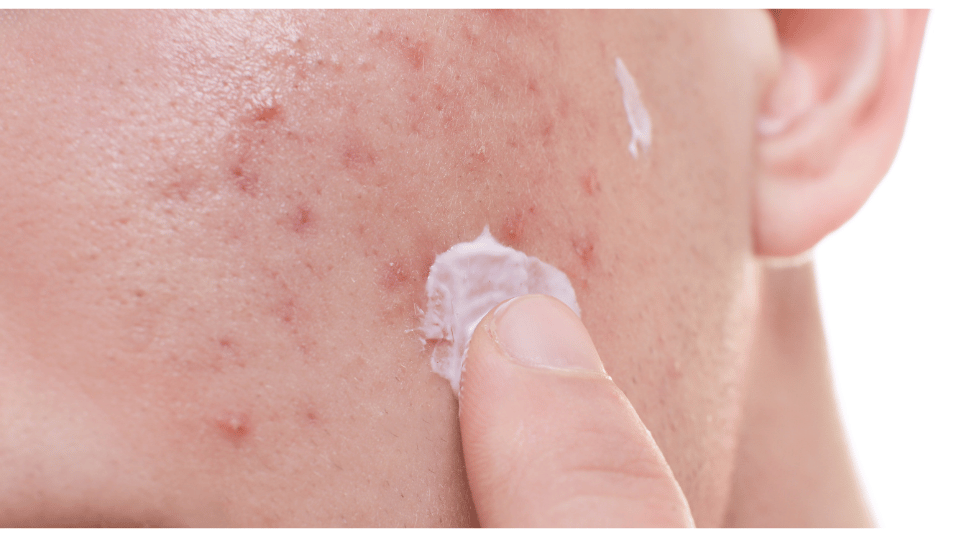
Topical Creams and Ointments
Creams are applied directly to the skin. Therefore, they target the affected area.
Common Types:
- Anti-itch creams
- Steroid creams (for inflammation)
- Moisturizing creams
However, these should be used only as advised by a doctor.
Oral Medications
In more severe cases, doctors may prescribe oral medicines. These help control the reaction from inside the body.
Immunotherapy
For long-term allergies, doctors may suggest allergy shots. These help the body become less sensitive to triggers over time.
Managing Severe Skin Allergies
Sometimes, skin allergies can become serious. Therefore, quick action is important.
Severe Symptoms May Include:
- Intense swelling
- Severe itching
- Painful skin
- Large rashes
In such cases, immediate medical care is necessary.
Natural Supportive Treatments
Some natural methods can support medical treatment. However, they should not replace proper care.
Helpful Natural Options
- Aloe vera for soothing skin
- Oatmeal baths for itching relief
- Coconut oil for dryness
In addition, these methods can calm mild irritation when used carefully.
Importance of Skincare During Treatment
Proper skincare supports faster healing. Therefore, maintaining a gentle routine is essential.
Key Tips
- Use mild, fragrance-free products
- Avoid hot showers
- Keep skin moisturized
- Do not scratch affected areas
As a result, the skin heals faster and stays protected.
Long-Term Management of Skin Allergies
Skin allergies often need long-term care. Therefore, managing them daily is important.
Daily Management Tips
- Identify and avoid triggers
- Follow a regular skincare routine
- Take medicines as prescribed
- Monitor changes in symptoms
Moreover, keeping a record of triggers can help prevent future flare-ups.
Preventing Recurrence
Even after treatment, allergies can return. However, proper care can reduce this risk.
Prevention Tips
- Avoid known allergens
- Maintain hygiene
- Use safe skincare products
- Follow doctor’s advice
In addition, regular follow-ups help track progress.
Lifestyle Changes for Better Skin Health
Healthy habits play a big role in managing allergies.
Useful Changes
- Eat a balanced diet
- Drink enough water
- Get proper sleep
- Manage stress
As a result, these habits improve both skin and overall health.
Emotional Impact of Skin Allergies
Skin allergies can affect confidence and daily life. Therefore, emotional care is also important.
Ways to Cope
- Stay positive
- Talk to a doctor
- Seek support if needed
In addition, understanding your condition helps reduce anxiety.
Special Care for Chronic Conditions
Some conditions like Atopic Dermatitis need ongoing care.
Long-Term Care Tips
- Moisturize daily
- Avoid triggers
- Follow treatment plans
- Visit a doctor regularly
Therefore, consistent care helps control symptoms.
When to Consult a Specialist
Some situations require expert care.
Seek Medical Help If:
- Symptoms do not improve
- Allergies keep returning
- Skin becomes painful or infected
- Daily life is affected
In such cases, a dermatologist can provide advanced treatment.
Building a Complete Care Routine
A complete routine includes prevention, treatment, and maintenance. Therefore, combining all three ensures better results.
Simple Routine Plan
- Clean skin gently
- Apply moisturizer
- Use prescribed treatment
- Avoid triggers
As a result, this routine supports long-term skin health.
Final Thoughts
Skin allergies can be managed effectively with the right approach. While treatment reduces symptoms, prevention and daily care ensure lasting results.
Therefore, staying consistent with skincare, avoiding triggers, and seeking medical advice when needed can help maintain healthy and comfortable skin.
FAQs:
Skin allergies can be caused by dust, pollen, certain foods, skincare products, chemicals, or medicines. In addition, weather changes and stress can also trigger reactions.
You can identify triggers by observing your daily habits. Also, doctors may suggest tests like patch tests or skin tests to find the exact cause.
Cold compress, soothing creams, and antihistamines can help reduce itching. However, avoid scratching because it can worsen the condition.
Yes, certain foods like nuts, dairy, seafood, and eggs can trigger reactions. Therefore, keeping a food diary can help identify problem foods.
Use gentle skincare products, avoid known triggers, keep your skin moisturized, and maintain hygiene. In addition, wear soft and comfortable clothing.
You should consult a doctor if symptoms are severe, long-lasting, or keep coming back. Also, seek help if there is swelling, pain, or infection.