

Pre-IVF Checklist: 10 Must-Do Things Before Your First Cycle
Thinking about starting your IVF journey? That’s a big step—and it’s totally okay to feel nervous, excited, or even a little overwhelmed. Whether you’re planning for the future or just curious about what the process involves, getting informed ahead of time is a smart move.
Before you begin your first IVF cycle, there’s a lot to think about—and a few things you absolutely should do. This Pre-IVF Checklist is here to make sure you’re physically, emotionally, and mentally ready for what’s ahead. Think of it as your personal roadmap to help you start your journey on the right foot.
So, what should you be doing before that first appointment? Let’s break it down.
What is IVF and Why the Checklist Matters?
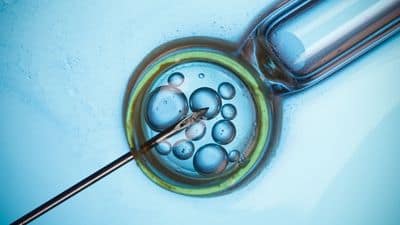
First things first—IVF (In Vitro Fertilization) is a medical procedure that helps people get pregnant when they’ve had trouble conceiving naturally. It involves combining eggs and sperm outside the body, and then placing the resulting embryo into the uterus.
It’s not just a medical process—it’s an emotional and physical experience, too. That’s why preparation is so important. You wouldn’t sit for an important exam without studying first, right? Same goes here.
This Pre-IVF Checklist ensures you’re ready, aware of what’s ahead, and making choices that give your body the best chance of success.
1. Do Your Research (But Not Too Much)
The internet is full of IVF success stories, failures, and medical advice. It’s easy to fall down the rabbit hole of Reddit threads and Instagram reels—but be careful.
- Stick to trusted sources (like official fertility clinics or health websites).
- Understand the basic steps of IVF—like ovarian stimulation, egg retrieval, fertilization, and embryo transfer.
- Write down questions to ask your fertility doctor later.
But don’t overload yourself. Too much information can be just as stressful as not knowing anything. The goal is to feel informed—not terrified.
2. Get a Full Fertility Workup
This might seem obvious, but it’s a must. Before starting IVF, both you and your partner (if applicable) should get checked out thoroughly.
For people with ovaries:
- Hormone testing (FSH, AMH, LH, and estrogen levels)
- Ultrasound to check ovarian reserve
For sperm-producing partners:
- Semen analysis
Why this matters: If there’s an issue that IVF won’t fix (like blocked tubes or very low sperm count), your doctor needs to know before choosing a treatment plan.
3. Choose the Right Fertility Clinic
All clinics aren’t created equal. Choosing the right one can make a massive difference—not just in success rates but in how you’re treated throughout the process.
Here’s what to look for:
- Experienced doctors with good communication
- High success rates (especially for your age group)
- Clear pricing and payment plans
- Counseling or emotional support services
Pro tip: Ask about their lab quality. A good lab = better embryo development.
4. Understand the Financial Side of IVF
Here’s the reality—IVF is expensive. In many places, it can cost anywhere from $5,000 to $15,000 per cycle, and you might need more than one cycle to get pregnant.
Your checklist should include:
- Asking your clinic for a full breakdown of costs
- Looking into insurance (some policies cover parts of the process)
- Researching financing or discount programs
- Budgeting for medications, which can add thousands
Don’t skip this step—financial stress in the middle of treatment is not the vibe.
5. Get Real About Your Lifestyle Habits
This one might sting a little, but it’s super important.
If you want your body to be IVF-ready, it’s time to make some changes:
- Quit smoking and limit alcohol
- Cut back on caffeine (yes, even coffee)
- Start a gentle exercise routine—nothing intense, just regular movement
- Eat balanced meals with plenty of protein, healthy fats, and veggies
Even your sleep schedule matters. IVF is a hormone-heavy process, and your body needs to be in the best shape possible to handle it.
6. Take Your Vitamins (and Get Tested for Deficiencies)
Before IVF, certain vitamins and minerals are essential for reproductive health. If you’re not already taking a prenatal vitamin, now’s the time.
Key nutrients to focus on:
- Folic Acid – reduces the risk of birth defects
- Vitamin D – supports hormone balance and egg health
- Iron – important for overall energy levels and fertility
- CoQ10 – may improve egg quality, especially in women over 35
- Omega-3s – supports uterine health
Bonus: Ask your doctor to test your blood for deficiencies so you’re not guessing.
7. Check (and Manage) Any Underlying Health Conditions
Conditions like PCOS, endometriosis, thyroid problems, or diabetes can all affect IVF outcomes. Even things like high blood pressure or being overweight can impact your body’s response to treatment.
Make sure you:
- Share your complete medical history with your doctor
- Get regular checkups and manage medications properly
- Ask about how your condition could affect IVF success
Don’t wait until you’re mid-cycle to discover a problem that could’ve been handled earlier.
8. Prepare Mentally and Emotionally
Let’s be real—IVF is tough. Emotionally, it’s a rollercoaster. There are hormones, hope, stress, waiting games, and sometimes heartbreak. That’s why preparing your mind is just as important as preparing your body.
Things that help:
- Talking to a therapist (ideally one who understands fertility treatments)
- Joining online or local IVF support groups
- Practicing mindfulness or meditation
- Journaling your feelings throughout the process
It’s okay to cry. It’s okay to feel frustrated. But don’t carry the emotional weight alone.
9. Understand the Timeline (So You’re Not Surprised Later)
One common mistake? Thinking IVF is quick. Spoiler: it’s not.
Here’s a rough idea of what the timeline might look like:
- Initial consult and testing: 2–3 weeks
- Ovarian stimulation: 8–14 days
- Egg retrieval and fertilization: 1–2 days
- Embryo development: 3–5 days
- Embryo transfer: around day 5 or frozen for later
- Wait for pregnancy test: 10–14 days after transfer
So yeah—it’s not a one-week thing. Knowing this upfront helps you plan around school, work, or travel.
10. Create a Support Plan (Don’t Go Through It Alone)
You might think, “I’m strong, I got this.” And you probably do. But that doesn’t mean you have to go through it without support.
Make a list:
- Who can drive you to appointments or be there on retrieval day?
- Who’s your emergency emotional contact when the hormones hit hard?
- Can your partner or friend come to the transfer?
Even something as small as someone texting “You okay today?” can make a big difference.
Bonus: Questions to Ask at Your First IVF Appointment
Want to look like a total pro at your first appointment? Ask your doctor these:
- What’s your clinic’s success rate for my age group?
- What type of protocol would you recommend for me?
- Are there any risks I should know about?
- How many embryos do you usually transfer per cycle?
- What happens if the first cycle doesn’t work?
The more you ask, the more confident you’ll feel.
Conclusion: Get Your Pre-IVF Checklist in Order
Starting IVF is a huge step—but you don’t have to walk into it blind. With the right prep, you’ll feel more in control, less anxious, and better equipped to face the ups and downs.
Your Pre-IVF Checklist isn’t just about checking boxes. It’s about setting yourself up—physically, mentally, emotionally, and financially—for a smoother, more successful journey.
Remember: There’s no “perfect” way to prepare, and everyone’s path is different. What matters is that you’re taking steps that feel right for you.
So breathe, trust the process, and don’t be afraid to ask for support. You’ve got this.
FAQs:
Q1. What exactly should I include in my Pre‑IVF Checklist?
A: Your Pre‑IVF Checklist should cover health tests (hormone panel, ovarian reserve, semen analysis), lifestyle changes (diet, quitting smoking/alcohol, managing stress), choosing the right fertility clinic, financial planning, mental/emotional prep, and identifying support systems. Doing this ensures you go into your first IVF cycle feeling ready—body, mind, and heart.
Q2. How long does it take to prepare for IVF before the first cycle?
A: Preparation time varies, but many clinics expect 1 to 2 months of work before starting stimulation. This includes testing, lifestyle adjustments, and medical clearances. Some people even begin supplements or health changes 3 months ahead to give their bodies a head start.
Q3. Can lifestyle changes really affect IVF success?
A: Yes—things like better sleep, balanced nutrition, reducing caffeine/alcohol, quitting smoking, and gentle exercise all improve hormone balance, egg and sperm quality, and uterine health. While they’re not magical guarantees, they increase your odds of having a smoother cycle and better response.
Q4. What blood tests or screening must be done before starting IVF?
A: Common tests include hormone levels (FSH, AMH, LH), thyroid profile, vitamin D, general health markers (CBC, liver/kidney function), infectious disease screening (HIV, Hepatitis, etc.), and in women an ultrasound to check ovarian reserve or uterine health. Also, your partner’s semen analysis is essential.
Q5. What emotional or mental preparation should I do before IVF?
A: IVF can be emotionally intense. It helps to see a counselor or therapist, join support groups, practice stress-reduction tools (meditation, journaling), and talk openly with your partner or a close friend. Knowing your emotional support plan beforehand can make the journey feel less isolating.






One Comment