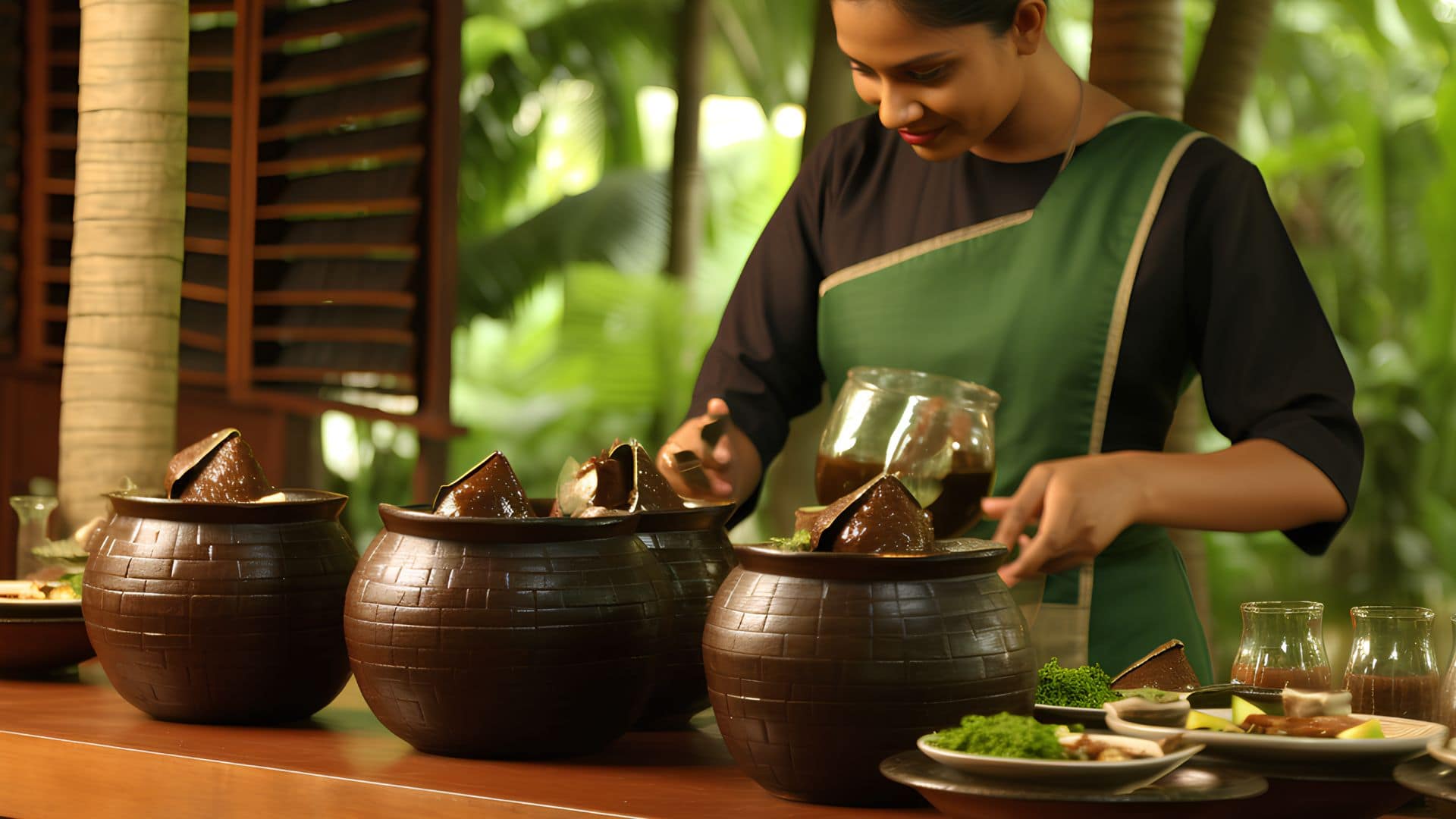

Panchakarma for Digestive Disorders: Complete Guide
Digestive problems are very common today. Many people suffer from acidity, constipation, gas, bloating, and indigestion because of poor diet habits and stress. In addition, irregular routines and low physical activity also weaken digestion. As a result, overall health gets affected over time. Therefore, Ayurveda offers a natural solution called Panchakarma to restore digestive balance from the root cause.
Consult Ayurvedic expert for digestive wellness guidance today
What Is Panchakarma?
Panchakarma is a traditional Ayurvedic detoxification and cleansing therapy. The word “Panchakarma” means “five actions,” and it refers to five main treatment procedures that help remove toxins from the body. Moreover, these therapies aim to restore balance in the body and improve overall health.
Main Purpose of Panchakarma
Panchakarma is designed to:
- Remove toxins from the body
- Improve digestion and metabolism
- Balance body energies (doshas)
- Strengthen immunity
- Improve energy levels
- Support long-term health
Therefore, it is not just a treatment but a complete wellness process.
Importance of Digestion in Ayurveda
According to Ayurveda, digestion is the foundation of good health. If digestion is strong, the body stays healthy. However, if digestion becomes weak, toxins start building up inside the body. Consequently, various diseases may develop.
Understanding Agni (Digestive Fire)
In Ayurveda, digestion is controlled by “Agni,” which means digestive fire. Agni plays a very important role in breaking down food and absorbing nutrients.
Functions of Healthy Agni
Healthy Agni helps in:
- Proper digestion of food
- Absorption of nutrients
- Energy production
- Waste elimination
- Strong immunity
Moreover, when Agni works properly, the body feels light and active.
What Happens When Agni Is Weak?
When Agni becomes weak, digestion slows down. As a result, food is not properly digested, and toxins start forming. This leads to discomfort and illness over time.
Signs of Poor Digestion
Weak digestion can cause several symptoms, such as:
- Acidity and burning sensation
- Gas and bloating
- Constipation or loose motion
- Heaviness after meals
- Fatigue and low energy
- Loss of appetite
- Irregular bowel movements
Therefore, identifying these signs early is very important.
What Are Toxins in Ayurveda (Ama)?
In Ayurveda, toxins formed due to poor digestion are called “Ama.” These toxins are sticky in nature and block the normal flow of energy in the body.
Causes of Ama Formation
Ama is mainly formed due to:
- Overeating
- Eating unhealthy food
- Stress and anxiety
- Lack of exercise
- Irregular sleep patterns
- Poor food combinations
As a result, the body’s internal balance gets disturbed.
How Panchakarma Helps in Digestive Disorders
Panchakarma works by cleansing the body deeply. In addition, it removes accumulated toxins and restores digestive strength naturally.
Key Benefits for Digestion
Panchakarma helps in:
- Reducing acidity and indigestion
- Improving bowel movement
- Reducing gas and bloating
- Strengthening metabolism
- Supporting liver function
- Improving appetite
Therefore, it is widely used in Ayurvedic digestive treatments.
Book Panchakarma consultation for natural digestive healing support
Connection Between Doshas and Digestion
Ayurveda explains digestion through three doshas: Vata, Pitta, and Kapha. When these doshas become imbalanced, digestive problems begin.
Vata Imbalance
Vata imbalance may cause:
- Constipation
- Gas formation
- Dryness
- Irregular digestion
Pitta Imbalance
Pitta imbalance may lead to:
- Acidity
- Burning sensation
- Inflammation
- Loose stools
Kapha Imbalance
Kapha imbalance may result in:
- Slow digestion
- Heaviness
- Weight gain
- Poor metabolism
Therefore, Panchakarma is customized based on dosha imbalance.
Common Digestive Disorders Treated with Panchakarma
Panchakarma is useful for several digestive conditions.
Acidity and Acid Reflux
Acidity occurs due to excess Pitta in the stomach.
Symptoms
- Burning sensation in chest
- Sour burping
- Stomach irritation
Moreover, symptoms often worsen after spicy food or stress.
Constipation
Constipation is mainly caused by Vata imbalance and poor lifestyle habits.
Symptoms
- Hard stools
- Infrequent bowel movements
- Abdominal discomfort
As a result, toxins remain in the body longer than normal.
Indigestion
Indigestion happens when food is not properly digested.
Causes
- Heavy meals
- Irregular eating habits
- Stress
- Lack of exercise
Therefore, digestion becomes weak over time.
Irritable Bowel Syndrome (IBS)
IBS is a chronic digestive disorder influenced by stress and lifestyle.
Symptoms
- Abdominal pain
- Gas and bloating
- Irregular bowel habits
In addition, symptoms may come and go frequently.
The Five Main Panchakarma Therapies
Panchakarma includes five major cleansing procedures. Each therapy works differently, and therefore, Ayurvedic doctors choose them based on the patient’s condition.
Vamana (Therapeutic Emesis)
Vamana is a controlled detoxification process that removes excess Kapha from the upper body.
How Vamana Works
In this therapy, the body eliminates toxins through induced vomiting under strict supervision. As a result, the upper digestive system gets cleansed deeply.
Benefits of Vamana
Vamana helps to:
- Remove excess mucus
- Improve stomach health
- Reduce Kapha imbalance
- Support digestion in slow metabolism cases
However, experts always perform this therapy carefully to ensure safety.
Virechana (Therapeutic Purgation)
Virechana is one of the most important Panchakarma therapies for digestive disorders.
How Virechana Works
In this process, the body removes excess Pitta toxins through controlled bowel cleansing. Therefore, it cleans the liver and intestines effectively.
Benefits of Virechana
Virechana helps to:
- Reduce acidity and heartburn
- Improve liver function
- Cleanse the intestines
- Support digestion and metabolism
- Reduce inflammation in the stomach
Moreover, it provides relief in chronic digestive issues.
Basti (Medicated Enema Therapy)
Basti is considered the most powerful treatment for Vata-related digestive problems.
How Basti Works
In this therapy, herbal oils or decoctions are introduced into the colon. As a result, toxins are removed, and dryness inside the intestines is reduced.
Benefits of Basti
Basti helps to:
- Relieve chronic constipation
- Reduce gas and bloating
- Improve colon health
- Nourish the digestive system
- Balance Vata dosha
Therefore, Ayurveda considers Basti a key therapy for long-term digestive health.
Speak with specialists for personalized Ayurveda treatment plans
Nasya (Nasal Therapy)
Nasya focuses on cleansing the head region using herbal medicines through the nose.
How Nasya Works
The therapy clears toxins from the head and improves nervous system balance. Although it does not directly target the stomach, it still supports digestion indirectly by reducing stress.
Benefits of Nasya
Nasya helps to:
- Reduce mental stress
- Improve clarity of mind
- Support hormonal balance
- Calm the nervous system
In addition, reduced stress improves digestion significantly.
Speak with specialists for personalized Ayurveda treatment plans
Raktamokshana (Blood Purification)
Raktamokshana is a specialized therapy used for removing impurities from the blood.
How It Works
The therapy removes toxins from the bloodstream using controlled techniques. Therefore, it reduces inflammation and supports overall healing.
Benefits of Raktamokshana
It helps to:
- Reduce toxin-related inflammation
- Improve skin health
- Support internal cleansing
However, doctors use this therapy only in selected cases.
Stages of Panchakarma Treatment
Panchakarma is not a single-step process. Instead, it follows three important stages for effective results.
Purvakarma (Preparation Stage)
In this stage, the body is prepared for detoxification. Moreover, this step ensures toxins move from deeper tissues to the digestive tract.
Snehan (Oil Therapy)
Snehan involves applying or consuming medicated oils.
- It softens toxins
- It lubricates body channels
- It prepares the body for cleansing
Swedana (Steam Therapy)
Swedana means therapeutic sweating.
- It opens body channels
- It loosens toxins
- It improves circulation
As a result, toxins move easily toward elimination.
Pradhanakarma (Main Detox Phase)
This is the main treatment stage where actual detoxification happens. Depending on the patient, doctors perform:
- Vamana
- Virechana
- Basti
Therefore, treatment is always personalized for better results.
Paschatkarma (Recovery Phase)
After detoxification, the body needs proper recovery care.
Diet During Recovery
Doctors recommend light foods such as:
- Rice porridge
- Vegetable soups
- Khichdi
- Herbal drinks
These foods help the digestive system recover slowly.
Lifestyle Care
Patients should:
- Take proper rest
- Avoid stress
- Follow a routine
- Eat simple meals
As a result, the body regains strength gradually.
How Panchakarma Improves Digestion
Panchakarma works through deep cleansing and restoration. In addition, it does not only treat symptoms but also removes root causes.
Removal of Toxins (Ama)
First, Panchakarma removes accumulated toxins from the body.
- This improves digestion
- It reduces bloating
- It supports bowel regularity
Therefore, the digestive system becomes more efficient.
Strengthening Digestive Fire (Agni)
Next, Panchakarma strengthens Agni.
- Food gets digested properly
- Nutrients get absorbed better
- Metabolism becomes active
As a result, overall health improves.
Balancing Doshas
Finally, Panchakarma restores dosha balance.
- Vata becomes stable
- Pitta becomes balanced
- Kapha reduces when excessive
Therefore, digestion works smoothly again.
Role of Diet During Panchakarma
Diet plays a very important role during treatment. In fact, without proper diet, results may reduce significantly.
Recommended Foods
Patients should eat:
- Warm and light meals
- Freshly cooked food
- Easy-to-digest items
- Herbal drinks
Moreover, these foods support detoxification.
Foods to Avoid
Patients must avoid:
- Fried foods
- Processed items
- Cold drinks
- Spicy heavy meals
Therefore, digestion stays calm during treatment.
Importance of Professional Guidance
Panchakarma should always be done under expert supervision. Otherwise, incorrect methods may cause imbalance in the body.
Why Expert Supervision Matters
Experts ensure:
- Safe treatment planning
- Correct dosage of therapies
- Proper diet guidance
- Continuous monitoring
Therefore, safety and effectiveness improve significantly.
Recovery After Panchakarma (Paschatkarma)
After detoxification, the body becomes sensitive and needs proper care. Therefore, recovery is a very important stage in Panchakarma.
Gradual Diet Transition
Doctors always recommend a gradual return to normal food.
Light Diet First
Patients usually start with:
- Rice gruel (kanji)
- Vegetable soups
- Thin khichdi
- Herbal teas
These foods are easy to digest. As a result, the digestive system slowly becomes strong again.
Slowly Returning to Normal Food
After a few days, patients can slowly add:
- Cooked vegetables
- Soft grains
- Mild spices
However, heavy and oily foods are still avoided in the beginning.
Importance of Rest and Calm Routine
Rest plays a major role in recovery. Moreover, the body heals faster when stress is reduced.
Recommended Practices
Patients should:
- Sleep on time
- Avoid physical strain
- Stay mentally calm
- Follow a simple daily routine
Therefore, energy levels improve gradually.
Lifestyle Changes for Better Digestion
Panchakarma is not only a treatment; it also teaches healthy living habits. In fact, lifestyle changes help maintain long-term results.
Regular Eating Habits
Eating at fixed times improves digestion.
Why Routine Matters
A fixed schedule helps:
- Improve Agni (digestive fire)
- Prevent acidity
- Support smooth bowel movements
As a result, digestion becomes predictable and stable.
Stress Management for Digestive Health
Stress directly affects digestion. Therefore, managing stress is essential.
Simple Stress-Relief Methods
People should practice:
- Meditation
- Deep breathing exercises
- Yoga
- Relaxation techniques
In addition, these practices calm the nervous system and improve gut health.
Importance of Sleep
Sleep supports healing and digestion.
Healthy Sleep Habits
People should:
- Sleep early
- Wake up at a fixed time
- Avoid screens before bed
Therefore, digestion and metabolism work better during rest.
How Panchakarma Improves Long-Term Digestion
Panchakarma offers long-lasting benefits when followed properly. Moreover, it does not only remove symptoms but also improves root causes.
Detoxification of the Body
Panchakarma removes deep toxins from the body.
- It cleans the digestive tract
- It reduces toxin buildup (Ama)
- It improves organ function
As a result, digestion becomes lighter and more efficient.
Strengthening Digestive Fire (Agni)
After treatment, Agni becomes stronger.
- Food is digested properly
- Nutrients are absorbed better
- Energy levels increase
Therefore, the body feels active and balanced.
Balanced Doshas for Stable Health
Panchakarma restores dosha balance.
- Vata becomes stable
- Pitta becomes calm
- Kapha reduces when needed
Therefore, digestion works smoothly without disturbances.
Get natural relief from digestive issues through Ayurveda consultation
Common Benefits of Panchakarma for Digestion
Many people experience noticeable improvements after treatment.
Physical Benefits
- Reduced acidity
- Better bowel movement
- Less bloating and gas
- Improved appetite
- Increased energy
Mental Benefits
- Reduced stress
- Better focus
- Improved emotional balance
Moreover, mental calmness directly supports digestion.
Panchakarma for Chronic Digestive Problems
Panchakarma is especially helpful for long-term digestive issues.
Acidity and Gastritis
It helps reduce excess acid and inflammation. Therefore, burning sensations decrease over time.
Constipation
It improves bowel regularity naturally. In addition, it reduces dependency on laxatives.
IBS (Irritable Bowel Syndrome)
Panchakarma calms the digestive system. As a result, symptoms like pain, gas, and irregular bowel habits improve.
Slow Metabolism
It activates metabolism and improves energy production. Therefore, the body functions more efficiently.
Who Should Take Panchakarma?
Panchakarma is suitable for many people, especially those with:
- Chronic digestive issues
- Stress-related stomach problems
- Weak metabolism
- Lifestyle-related disorders
However, proper consultation is always necessary before starting treatment.
Who Should Avoid Panchakarma?
Some people should take extra care or avoid certain therapies, such as:
- Pregnant women
- Very weak patients
- People with severe illness
- Children without supervision
Therefore, expert advice is very important.
Importance of Professional Supervision
Panchakarma must always be done under trained Ayurvedic doctors.
Why Guidance Is Important
Experts help to:
- Choose correct therapy
- Adjust treatment safely
- Monitor progress
- Avoid side effects
Therefore, treatment becomes safe and effective.
Long-Term Lifestyle After Panchakarma
After completing therapy, maintaining results is very important.
Healthy Eating Habits
People should continue:
- Fresh home-cooked food
- Balanced meals
- Limited processed food
As a result, digestion remains strong.
Daily Yoga and Exercise
Regular movement supports digestion.
- Yoga improves flexibility
- Walking improves metabolism
- Exercise reduces stress
Therefore, physical activity is essential.
Mindful Living
Mindfulness improves overall wellness.
- Eat slowly
- Avoid distractions while eating
- Stay aware of hunger signals
In addition, this prevents overeating.
Connect with Ayurveda doctors for Panchakarma therapy advice
Final Conclusion
Panchakarma is a powerful Ayurvedic therapy that deeply cleanses the body and improves digestive health. Moreover, it removes toxins, balances doshas, and strengthens Agni, which is essential for proper digestion.
When combined with a healthy lifestyle, proper diet, stress control, and regular routines, Panchakarma provides long-lasting relief from digestive disorders such as acidity, constipation, IBS, and indigestion. Therefore, it is not just a treatment but a complete system for restoring balance and improving overall health.
FAQs:
Panchakarma is a traditional Ayurvedic detoxification therapy that uses five cleansing procedures to remove toxins, balance doshas, and improve overall health, especially digestion.
Panchakarma improves digestion by removing toxins (Ama), strengthening digestive fire (Agni), and balancing Vata, Pitta, and Kapha doshas.
Yes, it may help reduce acidity, gas, and bloating by calming excess Pitta and improving overall digestive function, especially when combined with diet control.
Yes, especially therapies like Basti help relieve chronic constipation by improving bowel movement and balancing Vata dosha.
The duration varies, but it usually ranges from 7 to 21 days depending on the patient’s condition and treatment plan.