

ICSI vs IVF: Which Fertility Treatment Is Right for You?
Fertility treatments have opened doors for couples who struggle with natural conception. Among the many options, two treatments often come up — ICSI vs IVF. Both are widely practiced across the world and offer hope to countless families. But for couples just starting their journey, the difference can feel confusing. Should you go with IVF, or is ICSI more suitable for you? Let’s break it down in very simple terms.
Understanding IVF: The Basics
IVF, or In Vitro Fertilization, is one of the most common fertility treatments. In this method, eggs are collected from the ovaries and placed in a lab dish with sperm. The sperm fertilizes the egg naturally in the dish. Once an embryo forms, it is placed back into the uterus to grow naturally.
IVF is often suggested for couples facing:
- Blocked or damaged fallopian tubes
- Ovulation disorders
- Mild male infertility
- Unexplained infertility
The main benefit of IVF is that it allows fertilization outside the body, bypassing many obstacles that prevent natural conception.
Understanding ICSI: The Basics
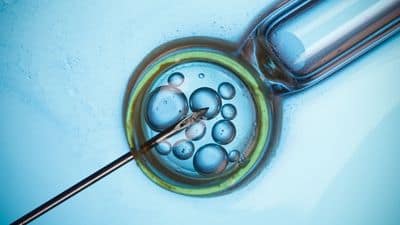
ICSI, or Intracytoplasmic Sperm Injection, is a specialized form of IVF. The process is similar to IVF but with a major difference — instead of leaving the sperm to fertilize the egg on its own, an embryologist selects a single healthy sperm and injects it directly into the egg.
ICSI is commonly recommended for:
- Severe male infertility (low sperm count or poor motility)
- Sperm with abnormal shape
- Previous IVF cycles with failed fertilization
- Couples using frozen eggs or sperm
This precise method ensures fertilization even when sperm is weak or limited.
ICSI vs IVF: The Process Compared
While both treatments share similarities, here is how they differ step by step:
- Ovarian Stimulation
- Both ICSI and IVF begin with hormone injections to stimulate egg production.
- Egg Retrieval
- Eggs are collected from the ovaries in both treatments.
- Fertilization
- In IVF, eggs and sperm are placed together in a lab dish to allow natural fertilization.
- In ICSI, a single sperm is directly injected into each egg.
- Embryo Development
- Embryos are monitored for growth in both treatments.
- Embryo Transfer
- Healthy embryos are placed into the uterus.
The difference lies mainly in the fertilization step — natural in IVF, assisted in ICSI.
Success Rates: ICSI vs IVF
- IVF has a success rate of around 40–50% per cycle, depending on the woman’s age, clinic expertise, and health conditions.
- ICSI has slightly higher fertilization success because sperm is directly injected into the egg. However, this does not always mean a higher pregnancy rate; it depends on many factors like egg quality, uterine health, and embryo development.
Cost Factor: ICSI vs IVF
- IVF in India generally costs between ₹1.5 lakh to ₹2.5 lakh per cycle.
- ICSI in India may cost slightly more, ranging from ₹2 lakh to ₹3 lakh per cycle, since it requires advanced lab equipment and expertise.
For couples struggling with male infertility, the extra cost of ICSI can be worth it. But if sperm health is normal, IVF might be a more cost-effective choice.
Risks Involved
Both treatments are safe and widely used, but like any medical procedure, they have risks:
IVF Risks:
- Multiple pregnancies (twins or triplets if more embryos are transferred)
- Ovarian hyperstimulation syndrome due to hormone injections
- Emotional and financial stress if multiple cycles are needed
ICSI Risks:
- Same as IVF, plus a slightly higher chance of genetic or chromosomal issues, though rare
- Requires high-level lab expertise to avoid egg damage during sperm injection
Emotional Side of ICSI vs IVF
Beyond science, these treatments are emotionally draining. Couples often face stress, anxiety, and fear of failure. Counseling, support groups, and open communication between partners make the journey more manageable.
Keynote Takeaway
Both ICSI vs IVF are remarkable treatments that have given millions of couples the joy of parenthood. The right choice depends on individual health conditions, medical history, and budget. IVF is usually recommended for couples with female infertility or unexplained issues, while ICSI is more suitable for severe male infertility or failed IVF attempts.
The smart move is to consult a trusted fertility specialist, share your medical history openly, and choose the treatment that offers you the best chance of success with the least stress.
FAQs:
Q1. Which is better for male infertility: ICSI vs IVF?
ICSI is usually better for male infertility because it involves directly injecting sperm into the egg, ensuring fertilization even with low sperm count or poor motility.
Q2. Does ICSI guarantee pregnancy?
No. ICSI guarantees fertilization of the egg, but pregnancy depends on embryo quality, the woman’s uterus, and overall health.
Q3. Is IVF cheaper than ICSI?
Yes. IVF typically costs less than ICSI, as ICSI requires advanced lab techniques and expertise.
Q4. Can I choose ICSI if my sperm is normal?
Yes, but most doctors suggest ICSI only when male infertility issues exist. For normal sperm, IVF is usually sufficient.
Q5. How many cycles of IVF or ICSI are usually needed?
Many couples succeed within 1–3 cycles, but this varies depending on age, egg and sperm quality, and underlying fertility issues.





One Comment