
Heal and Reveal: The Ultimate Guide to DIY Foot Scrub for Cracked Heels
Cracked heels can be more than just a cosmetic concern; they can be a painful and uncomfortable reality for many. The journey to healthier, smoother feet begins with understanding the root causes of cracked heels and finding effective solutions. In this comprehensive guide, we’ll explore the wonders of DIY foot scrubs—a natural and rejuvenating approach to treating cracked heels and restoring your feet to their soft, supple glory.
Understanding Cracked Heels
Cracked heels, clinically referred to as heel fissures, represent a common dermatological concern that extends beyond mere aesthetic discomfort. This condition typically arises as a consequence of dry skin that is deprived of adequate hydration. The factors contributing to the development and exacerbation of cracked heels are multifaceted, ranging from lifestyle choices to underlying medical conditions.
1. Dry Skin and Hydration Deficiency
At the core of cracked heels lies a deficiency in skin hydration. When the skin on the heels lacks the necessary moisture, it loses its suppleness and elasticity. This can be attributed to various factors, including environmental conditions, improper skincare routines, and the natural aging process.
2. Inadequate Foot Care Practices
Neglecting proper foot care is a primary contributor to the emergence of heel fissures. Failure to regularly moisturize the feet, particularly the heel area, leaves the skin vulnerable to dryness. The absence of a consistent foot care routine allows the problem to escalate, leading to the formation of painful cracks.
3. Prolonged Standing and Pressure Points
Occupational demands or lifestyle choices that involve prolonged standing can contribute significantly to the development of cracked heels. The pressure exerted on the feet, especially the heels, can result in the thickening of the skin. This, combined with insufficient hydration, creates an environment conducive to heel fissures.
4. Open-Back Footwear
Footwear plays a crucial role in foot health, and the choice of shoes can impact the likelihood of developing cracked heels. Open-back or poorly fitting footwear exposes the heels to friction and external elements, exacerbating dryness and contributing to the formation of painful cracks.
5. Underlying Medical Conditions
Certain medical conditions can predispose individuals to cracked heels. Conditions such as eczema, psoriasis, and thyroid disorders can affect skin health and contribute to dryness. Additionally, diabetes, a condition known for compromising skin integrity, may increase the risk of developing severe heel fissures.
6. Thickening and Drying of Heel Skin
As the skin around the heels thickens and loses moisture, it becomes susceptible to cracking. The accumulation of dry, dead skin further intensifies the problem, creating visible and tangible cracks that, if left untreated, can deepen over time. The deepening of these cracks not only increases discomfort but also poses the risk of infection.
Understanding the root causes of cracked heels is essential for implementing effective preventive measures and treatment strategies. Hydration, proper foot care, appropriate footwear choices, and the management of underlying medical conditions are pivotal in addressing this common dermatological concern. By addressing these factors, individuals can not only alleviate the discomfort associated with cracked heels but also promote overall foot health and well-being.
The Science Behind DIY Foot Scrubs
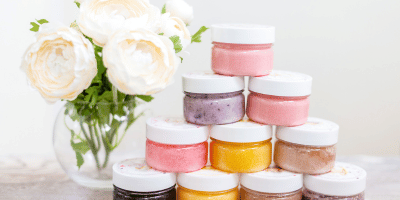
DIY foot scrubs represent a holistic and natural approach to tackling the common issue of cracked heels. This method stands out for its dual-action strategy, seamlessly combining exfoliation and nourishing elements to provide a comprehensive solution to the problem.
Exfoliation: Removing Dead Skin Cells
The cornerstone of any effective foot scrub lies in its exfoliating properties. Exfoliation is the process of gently sloughing off dead skin cells, which accumulate on the surface of the skin over time. In the context of cracked heels, where dry and thickened skin is prevalent, this step is particularly crucial. Dead skin cells not only contribute to the unsightly appearance of cracked heels but also hinder the penetration of moisturizing agents.
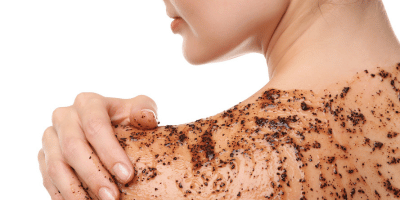
By employing natural exfoliants such as sugar, salt, or even ground coffee, DIY foot scrubs create a gentle abrasive texture. When massaged onto the skin, these granules help loosen and lift away the dead skin cells, unveiling the healthier skin beneath. This exfoliation process serves multiple purposes: it smoothes the skin’s surface, reduces the thickness of calloused areas, and promotes cell turnover.
Cell Turnover: Encouraging Skin Regeneration
The promotion of cell turnover is a key aspect of the exfoliation process. As dead skin cells are removed, it stimulates the renewal of skin cells underneath. This regeneration is vital for healing cracked heels, as the fresh, newly-formed skin is more receptive to moisture and better equipped to maintain its integrity. Regular exfoliation, as facilitated by DIY foot scrubs, encourages a continuous cycle of renewal, gradually improving the overall health and appearance of the skin on the heels.
Hydration: The Role of Moisturizing Agents
The science behind effective foot scrubs doesn’t stop at exfoliation—it extends to the careful selection of moisturizing agents. After exfoliating, the skin is primed to absorb nourishing elements more effectively. Natural ingredients like coconut oil, olive oil, honey, or shea butter are commonly incorporated into DIY foot scrubs for their moisturizing properties.
These ingredients serve a dual purpose. First, they replenish lost moisture in the skin, addressing the primary cause of cracked heels—dryness. Second, they create a protective barrier on the skin’s surface, preventing further dehydration. The combination of exfoliation and hydration in DIY foot scrubs not only heals existing cracks but also works proactively to prevent the recurrence of the issue.
Fostering Healing from Within
The synergy between exfoliation and nourishment in DIY foot scrubs fosters healing from within. The natural ingredients work harmoniously to address the underlying causes of cracked heels, promoting a holistic recovery process. Regular use of these scrubs contributes to maintaining the skin’s health, preventing excessive thickening, and ensuring that the skin on the heels remains soft, supple, and resilient.
In essence, the science behind DIY foot scrubs lies in their ability to create a balanced and nurturing environment for the skin. The careful selection of exfoliating agents and moisturizing ingredients orchestrates a harmonious dance that not only addresses the visible symptoms but also targets the root causes of cracked heels. The result is a holistic and effective solution that encourages healing, renewal, and the restoration of the skin’s natural vitality.
Crafting Your Own Foot Scrub
Embarking on the journey to create a DIY foot scrub for cracked heels is both simple and empowering, offering individuals the opportunity to tailor a solution that suits their unique needs. The process involves the thoughtful selection and combination of key ingredients, each chosen for its specific role in promoting exfoliation, moisturization, and overall foot health.
1. Exfoliants: Sugar or Salt
At the heart of an effective DIY foot scrub lies the choice of an exfoliating agent. Commonly, ingredients such as sugar or salt are chosen for their granular texture, which aids in the removal of dead skin cells. Sugar, with its fine crystals, is gentle on the skin, making it suitable for those with sensitive feet. Salt, on the other hand, provides a coarser exfoliation, making it ideal for tackling thicker calloused areas on the heels.
2. Moisturizing Agents: Coconut Oil or Honey
Once the exfoliating base is established, incorporating moisturizing agents is crucial to replenish the skin’s hydration. Coconut oil, celebrated for its nourishing properties, is a popular choice. Rich in fatty acids, it not only moisturizes but also forms a protective barrier to prevent further moisture loss. Honey, a natural humectant, draws moisture to the skin, aiding in hydration and promoting healing.
3. Therapeutic Additions: Lavender or Tea Tree Oil
Elevating the foot scrub from a basic exfoliant to a therapeutic treatment involves the addition of essential oils. Lavender oil, known for its calming properties, contributes to a relaxing experience, while also offering antimicrobial benefits. Tea tree oil, with its antibacterial and antifungal properties, is particularly beneficial for those dealing with foot issues related to infections.

4. Customization and Experimentation
One of the strengths of DIY foot scrubs lies in their versatility. Individuals can experiment with ingredient ratios to tailor the scrub to their preferences and the severity of their heel fissures. Those with more sensitive skin may choose a milder exfoliant and a higher ratio of moisturizing agents, while those with thicker callouses may opt for a coarser exfoliant.
5. Simple Preparation Process
The preparation of a DIY foot scrub is straightforward. Start by mixing the chosen exfoliant (sugar or salt) with the selected moisturizing agent (coconut oil or honey) in a bowl. Add a few drops of the chosen essential oil (lavender or tea tree) for therapeutic benefits and a delightful fragrance. Adjust the ingredient ratios until the desired consistency is achieved.
6. Application and Massage
Applying the DIY foot scrub is a therapeutic ritual in itself. Begin by soaking the feet in warm water to soften the skin. Take a generous amount of the scrub and gently massage it onto the heels and other problematic areas. The circular motions of the massage enhance circulation, aiding in the exfoliation process. Allow the scrub to sit for a few minutes to maximize its benefits.
7. Rinse and Moisturize
After the scrub has had its moment, rinse the feet thoroughly with warm water. Pat the skin dry and follow up with a rich moisturizer or foot cream to lock in the benefits of the scrub. Regular use, a few times a week, will contribute to ongoing foot health and the gradual improvement of cracked heels.
Creating a DIY foot scrub for cracked heels is a personalized and straightforward process. By combining carefully chosen exfoliants, moisturizing agents, and therapeutic essential oils, individuals can indulge in a rejuvenating foot care routine that not only addresses heel fissures but also elevates the overall well-being of their feet. The power to customize and experiment empowers individuals to discover the perfect blend that suits their unique preferences and promotes the healing of their cracked heels.
Application Techniques for Optimal Results
The effectiveness of a foot scrub is a culmination of both the carefully chosen ingredients and the precise application technique. Each step plays a pivotal role in ensuring that the scrub achieves its full potential in addressing cracked heels and promoting overall foot health.
1. Soaking in Warm Water: Preparing the Canvas
Before applying the foot scrub, it’s essential to prepare the skin by soaking the feet in warm water. This step serves a dual purpose. Firstly, it softens the skin, making it more pliable and receptive to the exfoliating action of the scrub. The warm water helps open up pores, facilitating the removal of dead skin cells and enhancing the overall efficacy of the foot scrub.
2. Gently Massaging onto Problem Areas: Promoting Circulation
The application of the foot scrub involves a gentle yet thorough massage onto the heels and other problematic areas. This massage serves multiple functions. It enhances blood circulation in the feet, promoting the delivery of nutrients to the skin cells and supporting the natural healing process. Additionally, the massaging action facilitates the even distribution of the scrub, ensuring that all areas receive the benefits of exfoliation and moisturization.
3. Thorough Removal of Dead Skin Cells: A Precise Process
As the foot scrub is massaged onto the skin, the granules of exfoliants work to dislodge and lift away dead skin cells. This thorough removal of accumulated dead skin is crucial for addressing cracked heels, as it not only improves the appearance of the skin but also encourages the regeneration of fresh, healthy cells. The combination of warm water, massage, and exfoliation creates an environment where dead skin is effectively sloughed off, revealing the smoother skin underneath.
4. Consistency: A Key Element for Success
Consistency in the application of foot scrubs is paramount for achieving lasting improvements. The healing process for cracked heels is gradual, and regular use ensures a sustained approach to foot care. Incorporating the foot scrub into a consistent routine, ideally 2-3 times a week, allows the skin to continually benefit from the exfoliation and moisturization, resulting in noticeable improvements over time.
5. Post-Scrub Moisturization: Sealing in the Benefits
After rinsing off the foot scrub, it’s crucial to follow up with a moisturizer or foot cream. This step helps lock in the benefits of the scrub, preventing the reoccurrence of dryness and supporting the ongoing health of the skin. The combination of exfoliation and moisturization, when applied consistently, contributes to the overall well-being of the feet and helps maintain soft, supple skin.
The effectiveness of a foot scrub is a holistic process that encompasses both the preparation of the skin and the meticulous application technique. Soaking the feet in warm water, massaging the scrub onto problem areas, and maintaining consistency in usage are key elements for success. By embracing these practices, individuals can harness the full potential of DIY foot scrubs to address cracked heels, promote circulation, and unveil healthier, revitalized feet over time.

Summing Up!
As we conclude our journey into the world of DIY foot scrubs for cracked heels, it’s essential to highlight the transformative power of regular self-care. By incorporating a foot scrub into your routine, you not only address the discomfort of cracked heels but also indulge in a moment of relaxation and rejuvenation. Embrace the healing properties of natural ingredients, and let your feet reveal their softer, healthier side through the simple joy of a DIY foot scrub.
FAQs:
1. How often should I use a foot scrub for cracked heels?
It’s recommended to use a foot scrub 2-3 times per week for optimal results. However, individuals with severe heel fissures may benefit from more frequent use, whereas those with milder concerns can adjust their usage accordingly.
2. Can I use any type of oil in a DIY foot scrub?
Yes, you can customize your foot scrub by choosing oils that suit your preferences and skin type. Popular choices include coconut oil, olive oil, sweet almond oil, or jojoba oil. These oils not only moisturize but also provide additional benefits for skin health.
3. Are there any specific ingredients to avoid in a foot scrub for cracked heels?
Avoid harsh or synthetic ingredients that may further dry out the skin. Steer clear of scrubs with artificial fragrances or excessive chemicals. Opt for natural exfoliants like sugar or salt and nourishing ingredients such as honey, which promote healing.
4. Can a foot scrub replace professional treatment for cracked heels?
While DIY foot scrubs can be effective for mild to moderate cases, severe heel fissures may require professional intervention. If your condition persists or worsens, consult a healthcare professional or a podiatrist for personalized advice and treatment.
5. Is it necessary to moisturize after using a foot scrub?
Yes, moisturizing post-scrub is crucial. Choose a rich foot cream or balm to lock in moisture and provide ongoing hydration. This step enhances the healing process and maintains the softness achieved through exfoliation.
6. Can I use a foot scrub if I have sensitive skin?
Yes, but choose ingredients that are gentle on the skin. Avoid overly abrasive exfoliants, and conduct a patch test before using the scrub on larger areas. If irritation occurs, discontinue use and explore alternative, milder ingredients.
7. How long does it take to see results with a DIY foot scrub?
Results vary based on the severity of cracked heels and individual skin types. With consistent use, many individuals notice improvements within a few weeks. However, it’s don’t forget to to continue regular foot care to prevent the recurrence of heel fissures.