
Digital Skin Analysis: How Accurate Is It?
Digital skin analysis is changing the skincare industry quickly. Today, many skincare brands, beauty clinics, and mobile apps use artificial intelligence and smart imaging tools to study the skin. These systems promise personalized skincare advice, better product suggestions, and more accurate skin tracking.
As a result, many people now use digital skin analysis before buying skincare products or starting beauty treatments. However, an important question still remains. How accurate is digital skin analysis in real life?
Consult skincare experts for personalized digital skin analysis
Some tools provide useful skincare insights. On the other hand, some systems may give inaccurate results because of lighting, camera quality, or software limitations. Therefore, consumers should understand both the benefits and the limits of this technology before fully trusting it.
What Is Digital Skin Analysis?
Digital skin analysis is a technology-based process that studies the skin using cameras, sensors, and artificial intelligence software. These systems examine different skin conditions and generate reports based on the collected data.
Most digital skin analysis tools evaluate:
- Wrinkles
- Fine lines
- Acne
- Dark spots
- Redness
- Hydration
- Oil levels
- Pores
- Skin texture
Nowadays, digital analysis systems are used in many places, including:
- Dermatology clinics
- Beauty salons
- Cosmetic stores
- Mobile skincare apps
- Smart mirrors
- Online beauty platforms
In many cases, the system also recommends skincare products according to the analysis results.
Why Digital Skin Analysis Is Becoming Popular
The skincare industry is moving toward personalized beauty solutions. Instead of using general skincare products, consumers now prefer routines designed for their unique skin needs.
Because of this trend, digital skin analysis has become more popular.
Personalized Skincare Recommendations
People want skincare advice based on their own skin concerns. Therefore, digital tools attract consumers who want customized beauty routines.
Growth of Beauty Technology
Artificial intelligence and smart devices are growing rapidly in the beauty industry. As a result, many brands now invest heavily in skincare technology.
Easy Access Through Smartphones
Today, most people own smartphones with high-quality cameras. Consequently, skin analysis apps have become easier to use from home.
Increased Interest in Skin Health
Consumers are becoming more aware of skincare and prevention. Therefore, many people use digital tools to track skin changes early.
Social Media Influence
Beauty influencers frequently promote AI skincare apps and smart beauty gadgets online. Because of this exposure, digital skin analysis has become a major beauty trend.
How Digital Skin Analysis Works
Digital skin analysis systems use several technologies to study the skin carefully.
Although different devices work differently, most systems follow similar steps.
Facial Imaging Technology
First, the system captures detailed facial images using cameras or scanners.
These images help evaluate:
- Skin texture
- Wrinkles
- Pigmentation
- Pores
- Redness
- Acne
High-quality imaging improves the accuracy of analysis results.
Artificial Intelligence and Machine Learning
After capturing images, artificial intelligence software studies the skin patterns.
The AI compares the user’s skin with large databases containing thousands of skin images. Then, it identifies possible skin concerns based on visual patterns.
Sensor-Based Skin Measurements
Some advanced devices also use sensors to measure:
- Skin hydration
- Oil production
- Elasticity
- Temperature
- UV damage
Therefore, these devices can collect more information than camera-based apps alone.
Get professional guidance for accurate AI skincare recommendations
Cloud-Based Tracking Systems
Many digital skincare platforms store user data online. As a result, consumers can compare their skin condition over time and monitor progress more easily.
Types of Digital Skin Analysis Tools
Digital skin analysis tools are available in different forms. Some are simple mobile apps, while others are advanced medical systems.
Smartphone Skin Analysis Apps
Mobile apps are the most common and affordable type of digital skin analysis.
Users simply upload selfies or scan their faces through the app.
Advantages of Smartphone Apps
- Easy to use
- Affordable
- Fast analysis
- Convenient tracking
Limitations of Smartphone Apps
However, mobile apps also have several weaknesses.
- Camera quality may vary
- Lighting conditions affect results
- AI accuracy may be limited
- Medical reliability is lower
Therefore, smartphone apps work better for general skincare guidance rather than serious diagnosis.
Smart Mirrors
Smart mirrors combine cameras, sensors, and AI software to analyze skin daily.
Some mirrors also provide:
- Skincare tips
- Product recommendations
- Hydration tracking
- Aging analysis
As a result, they are becoming popular in luxury beauty markets.
Professional Dermatology Imaging Systems
Dermatology clinics use advanced imaging systems with medical-grade technology.
These systems often provide deeper skin analysis than home-use devices.
Features of Professional Systems
Professional systems may include:
- UV imaging
- Deep pigmentation analysis
- High-resolution scanning
- Multispectral imaging
- Collagen evaluation
Therefore, professional systems are usually more accurate than consumer apps.
Retail Beauty Scanners
Many cosmetic stores use facial scanners to recommend beauty products.
These systems mainly focus on cosmetic concerns instead of medical skin conditions.
What Digital Skin Analysis Measures
Digital analysis tools examine many different skin features.
Wrinkles and Fine Lines
AI systems detect facial lines and estimate visible aging signs.
In some cases, the software compares the user’s skin age with average age groups.
Acne and Blemishes
The system can identify:
- Pimples
- Redness
- Acne marks
- Inflamed areas
However, severe acne still requires professional medical evaluation.
Pigmentation and Dark Spots
Digital analysis can detect uneven skin tone and sun damage.
Some advanced systems also identify hidden UV damage beneath the skin surface.
Hydration Levels
Sensor-based tools measure moisture levels in the skin.
As a result, users can better understand whether their skin is dehydrated or balanced.
Oil Production
Sebum analysis helps determine whether the skin is oily, dry, or combination.
Pore Visibility
Many systems estimate pore size and surface congestion.
However, lighting and camera quality can strongly affect these measurements.
Skin Texture
Digital analysis evaluates roughness, smoothness, and overall skin quality.
Redness and Sensitivity
Some systems can identify redness linked to irritation or sensitivity.
Therefore, they may help users avoid harsh skincare products.
The Science Behind AI Skin Analysis
Artificial intelligence is one of the most important parts of digital skin analysis.
Machine Learning Technology
Machine learning systems improve over time by studying large image databases.
The software learns to recognize patterns connected with:
- Aging
- Acne
- Pigmentation
- Sensitivity
As a result, AI systems become more accurate as they process more data.
Computer Vision Systems
Computer vision technology allows AI software to study facial images similarly to human observation.
The system detects visual changes through pattern recognition and image comparison.
Importance of Data Quality
The accuracy of AI analysis depends heavily on the training data used by the software.
If the dataset is poor or limited, the results may become unreliable.
Skin Tone Diversity Challenges
One major issue in beauty AI is skin tone diversity.
Some systems perform better on lighter skin tones because their training databases contain fewer darker skin images.
Therefore, improving diversity in AI training remains extremely important.
Benefits of Digital Skin Analysis
Digital skin analysis offers several useful benefits for consumers and skincare professionals.
Personalized Beauty Guidance
One major advantage is customized skincare advice.
Instead of guessing, users receive recommendations based on their actual skin condition.
Better Progress Tracking
Digital systems help consumers monitor skincare improvements over time.
As a result, users can see whether products or treatments are working effectively.
Early Detection of Skin Changes
Some advanced systems may identify subtle skin changes before they become more visible.
Therefore, users may take preventive skincare steps earlier.
Improved Consumer Awareness
Many people understand their skin better after using digital analysis regularly.
Consequently, they often make smarter skincare decisions.
Convenience and Accessibility
Smartphone apps make skin analysis possible from home.
As a result, consumers can access skincare guidance without visiting clinics frequently.
Data-Driven Skincare Decisions
Digital reports provide measurable skincare information instead of relying only on personal observation.
Therefore, consumers often feel more confident about their skincare choices.
Are Digital Skin Analysis Tools Really Accurate?
The accuracy of digital skin analysis depends on several important factors.
Some systems provide reasonably accurate cosmetic assessments. However, others may give inconsistent or misleading results.
Lighting Conditions Affect Accuracy
Lighting strongly influences skin analysis quality.
Poor lighting may hide wrinkles, exaggerate redness, or distort skin texture.
Therefore, natural and balanced lighting usually provides more reliable results.
Book expert consultation for advanced skin health assessment
Camera Quality Matters
High-resolution cameras improve skin analysis accuracy.
On the other hand, low-quality smartphone cameras may reduce detail and affect AI interpretation.
Makeup Can Distort Results
Foundation, concealer, and reflective skincare products may interfere with analysis.
Therefore, clean skin usually produces more accurate readings.
Facial Position and Expressions
Different angles and facial expressions may change measurements.
As a result, consistent positioning is important for accurate progress tracking.
Severity of Skin Conditions
Mild cosmetic concerns are easier for AI systems to evaluate.
However, complicated medical skin conditions remain difficult for consumer technology to analyze accurately.
Limitations of Digital Skin Analysis
Digital skin analysis offers many benefits. However, the technology still has important limitations. Many consumers assume AI skincare tools are always highly accurate because they use advanced technology. In reality, several factors can reduce reliability.
Therefore, understanding these limitations is essential before fully trusting digital skin reports.
Lighting Problems and Image Distortion
Lighting is one of the biggest challenges in digital skin analysis.
Even advanced AI systems may struggle when lighting conditions are poor.
How Lighting Affects Results
Different lighting conditions can:
- Hide wrinkles
- Increase shadows
- Change skin tone appearance
- Make pores appear larger
- Distort pigmentation
For example, harsh lighting may exaggerate dryness, while soft lighting may hide fine lines.
Therefore, inconsistent lighting can lead to inaccurate analysis reports.
Natural Light vs Artificial Light
Natural daylight usually provides better analysis results because it shows skin texture more accurately.
On the other hand, strong artificial lighting may distort colors and details.
As a result, many professional clinics use controlled lighting systems during skin analysis.
Camera Quality and Resolution Issues
The quality of the camera also affects analysis accuracy.
High-resolution imaging captures more skin details. However, lower-quality cameras may miss important information.
Smartphone Camera Limitations
Many consumers use mobile apps for skin analysis. Although smartphone cameras continue improving, they still have limitations.
Problems may include:
- Blurry details
- Weak low-light performance
- Poor texture visibility
- Inconsistent color balance
Consequently, results from mobile apps may vary between devices.
Professional Imaging Systems Perform Better
Dermatology clinics use medical-grade cameras designed specifically for skin imaging.
These systems often provide:
- Higher resolution
- Better magnification
- Consistent lighting
- More detailed analysis
Therefore, professional systems are usually more accurate than home-use apps.
AI Bias in Digital Skin Analysis
AI bias is one of the biggest concerns in beauty technology today.
Artificial intelligence systems learn from training data. If the data lacks diversity, the analysis may become less accurate for certain groups.
Skin Tone Bias
Some AI skincare tools perform better on lighter skin tones because their training databases contain fewer darker skin images.
As a result, the software may:
- Misread pigmentation
- Underestimate redness
- Miss inflammation
- Produce inaccurate skin scores
Therefore, improving diversity in AI datasets is extremely important for fairness and accuracy.
Age and Gender Bias
Certain AI systems may also perform differently across age groups and genders.
For example:
- Aging signs vary between individuals
- Hormonal acne patterns differ
- Skin texture changes with age
If the training data is limited, the system may struggle to analyze these differences accurately.
Makeup and Skincare Product Interference
Many consumers forget that makeup can strongly affect digital analysis results.
Foundation, concealer, sunscreen, and highlighter may confuse AI systems.
How Makeup Changes Analysis
Makeup can:
- Cover acne
- Hide wrinkles
- Reduce visible redness
- Change skin texture
- Reflect light unnaturally
As a result, the system may generate inaccurate reports.
Importance of Clean Skin
Most experts recommend using digital skin analysis on clean skin without makeup.
This improves imaging accuracy and helps the AI detect real skin conditions more effectively.
Book expert consultation for advanced skin health assessment
Difficulty Analyzing Medical Skin Conditions
Digital skin analysis works best for cosmetic concerns. However, it is less reliable for serious medical conditions.
Conditions AI May Misinterpret
Consumer skincare apps may struggle to identify:
- Skin cancer
- Severe acne
- Rosacea
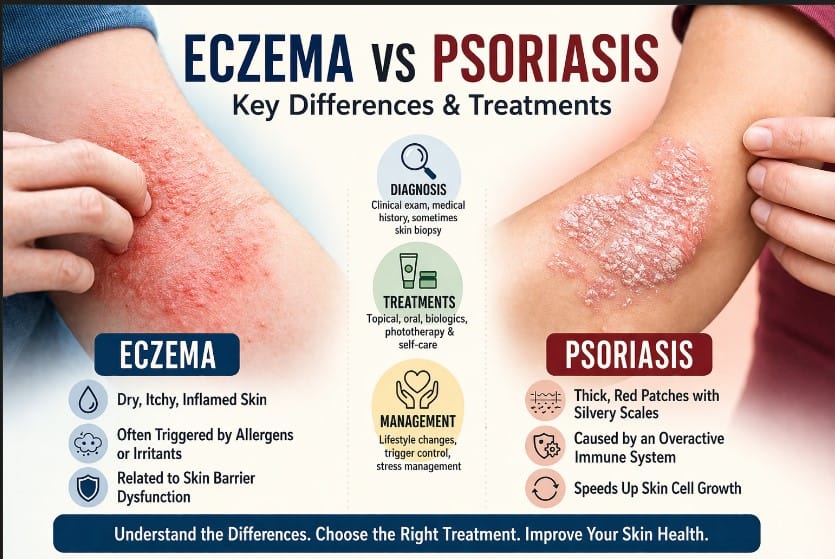
- Eczema
- Psoriasis
- Allergic reactions
- Infections
Therefore, digital analysis should never replace professional medical diagnosis.
Why Dermatologists Are Still Essential
Dermatologists use medical training, physical examination, and clinical experience alongside technology.
AI tools cannot fully replace professional expertise, especially for complicated skin conditions.
False Accuracy and Overconfidence
Many beauty companies market AI skincare tools as highly scientific and extremely accurate.
However, consumers sometimes trust these systems too much.
The Problem With Skin Scores
Many apps generate skin scores or skin age estimates.
Although these scores appear scientific, they may not always reflect true skin health.
For example:
- Different apps may produce different scores
- Lighting changes may alter results
- Temporary skin conditions may affect analysis
Therefore, consumers should avoid becoming overly dependent on these numbers.
Psychological Effects of Skin Analysis Technology
Beauty technology can also affect mental well-being.
Constant skin monitoring may increase appearance-related anxiety for some users.
Obsession With Skin Perfection
Many people repeatedly analyze their skin searching for flaws.
As a result, they may become overly focused on:
- Pores
- Fine lines
- Acne marks
- Minor imperfections
This can create unrealistic beauty expectations.
Social Media Pressure
Social media already promotes unrealistic beauty standards through filters and editing.
Digital skin analysis tools may increase pressure to achieve “perfect” skin.
Therefore, maintaining a healthy mindset is important when using beauty technology.
Privacy Concerns in Digital Skin Analysis
Privacy is another major concern in AI beauty technology.
Many digital skin analysis apps collect sensitive facial and skin data.
What Data Is Collected?
Depending on the platform, apps may collect:
- Facial images
- Skin condition reports
- Age information
- Product preferences
- Location data
- Device information
Some companies also store long-term skin tracking records.
Risks of Facial Data Storage
Facial images are highly sensitive personal information.
If security systems are weak, risks may include:
- Data breaches
- Unauthorized sharing
- Misuse of biometric data
- Identity concerns
Therefore, consumers should carefully review privacy policies before using beauty apps.
Marketing and Product Recommendation Bias
Many digital skin analysis platforms are connected directly to skincare brands.
As a result, the recommendations may sometimes prioritize product sales rather than objective skincare advice.
Sponsored Product Suggestions
Some apps mainly recommend products from partner brands.
Therefore, users may receive marketing-driven suggestions instead of fully unbiased recommendations.
Improve skincare results through dermatologist-guided digital analysis
Importance of Independent Research
Consumers should compare recommendations with:
- Dermatologist advice
- Ingredient research
- Independent reviews
- Clinical evidence
This helps prevent impulsive skincare purchases.
Can Digital Skin Analysis Predict Aging?
Some advanced systems estimate future skin aging based on current skin condition and environmental factors.
Factors Used in Aging Prediction
AI systems may evaluate:
- Sun damage
- Wrinkle depth
- Hydration
- Skin elasticity
- Pigmentation
- Lifestyle factors
However, these predictions are only estimates rather than guaranteed outcomes.
Genetics Still Play a Major Role
Aging depends heavily on genetics, lifestyle, and overall health.
Therefore, AI predictions cannot fully determine how someone’s skin will age.
Digital Skin Analysis in Dermatology Clinics
Professional clinics increasingly use digital analysis systems to support consultations.
Benefits for Dermatologists
Digital imaging helps dermatologists:
- Track treatment progress
- Educate patients visually
- Compare before-and-after changes
- Detect hidden UV damage
As a result, technology can improve patient understanding and treatment planning.
Why Human Expertise Still Matters
Even with advanced imaging, dermatologists still make the final clinical decisions.
Technology works best as a support tool rather than a replacement for medical expertise.
AI and Personalized Skincare Routines
One of the biggest advantages of digital skin analysis is personalized skincare planning.
Customized Product Recommendations
AI systems may recommend products based on:
- Hydration levels
- Acne severity
- Skin sensitivity
- Aging concerns
- Oil production
This creates more targeted skincare routines.
Benefits of Personalized Skincare
Personalized routines may help users:
- Avoid unsuitable products
- Reduce irritation
- Improve consistency
- Focus on specific concerns
However, recommendations are still limited by AI accuracy.
Consumer Trust in Beauty Technology
Many consumers trust AI recommendations because technology appears objective and scientific.
However, technology is not always free from errors or business influence.
The Power of Scientific Presentation
Beauty companies often use:
- Graphs
- Skin percentages
- Digital scores
- AI terminology
to create stronger consumer trust.
Therefore, users should remain critical and informed.
Future Improvements in AI Skin Analysis
Digital skincare technology is improving rapidly.
Future systems may become more accurate through:
- Better AI training
- Improved camera technology
- Larger skin databases
- Greater skin tone diversity
- Advanced sensors
As a result, future skincare analysis may become more reliable and personalized.
Consult beauty specialists for customized skincare technology solutions
Smart Mirrors and Advanced Beauty Technology
Smart mirrors are expected to become more common in future skincare routines.
These mirrors may eventually provide:
- Daily skin monitoring
- Hydration tracking
- UV exposure analysis
- Real-time skincare advice
Some systems may even connect with wearable beauty devices.
Wearable Skin Sensors
Future beauty technology may include wearable sensors that continuously monitor skin health.
Possible features include:
- Hydration measurement
- Oil production tracking
- UV damage alerts
- Pollution exposure monitoring
Therefore, skincare technology may become more integrated into daily life.
Is Digital Skin Analysis Worth Using?
Digital skin analysis can be useful for many people. It helps consumers understand their skin better and supports more personalized skincare routines. However, its value depends on how the technology is used and what expectations users have.
Some people benefit greatly from progress tracking and customized skincare suggestions. On the other hand, others may become disappointed if they expect perfect accuracy or dramatic results.
Therefore, digital skin analysis works best when users treat it as a helpful skincare support tool rather than a complete replacement for professional advice.
Who Can Benefit Most From Digital Skin Analysis?
Different users may benefit from digital skin analysis in different ways.
Beginners in Skincare
People new to skincare often struggle to understand their skin type and concerns.
Digital analysis tools may help beginners identify:
- Dryness
- Oiliness
- Acne patterns
- Redness
- Uneven texture
As a result, they may choose products more confidently.
Consumers Tracking Long-Term Skin Progress
People following anti-aging or acne treatments may benefit from regular digital monitoring.
Tracking tools help users compare:
- Wrinkle changes
- Hydration improvements
- Pigmentation reduction
- Acne progress
Therefore, consumers can measure skincare consistency more effectively.
Beauty Clinics and Dermatology Practices
Professional clinics also benefit from digital analysis systems because visual reports improve patient communication.
Patients often understand treatments better when they can see detailed skin imaging.
Common Consumer Mistakes With Digital Skin Analysis
Although digital analysis tools are useful, many users make mistakes while using them.
Expecting Perfect Accuracy
One common mistake is assuming AI analysis is always correct.
In reality, results may vary because of:
- Lighting conditions
- Camera quality
- Skin preparation
- Software limitations
Therefore, users should avoid treating every report as absolute truth.
Start healthier skincare routines with professional expert consultation
Changing Skincare Products Too Frequently
Some consumers constantly switch products after every new skin analysis report.
However, skincare products usually need time to show results.
Frequent product changes may:
- Irritate the skin
- Damage the skin barrier
- Cause breakouts
- Increase sensitivity
Consistency is often more important than constant changes.
Ignoring Professional Medical Advice
Another major mistake is relying on apps instead of dermatologists.
Digital analysis tools cannot fully diagnose serious medical conditions.
Therefore, professional medical consultation remains essential for:
- Severe acne
- Suspicious moles
- Persistent irritation
- Skin infections
- Chronic redness
Using Poor-Quality Apps
Not all digital skincare apps are equally reliable.
Some apps mainly focus on marketing rather than scientific accuracy.
Consumers should research:
- App credibility
- User reviews
- Privacy policies
- Clinical support
before trusting analysis results.
Expert Recommendations for Better Accuracy
Experts suggest several ways to improve the reliability of digital skin analysis.
Use Natural Lighting
Natural daylight usually provides the clearest skin images.
Therefore, users should avoid harsh shadows or strong artificial lighting.
Analyze Clean Skin
Experts recommend removing:
- Makeup
- Sunscreen
- Heavy skincare products
before scanning the skin.
Clean skin allows the AI to detect actual skin conditions more accurately.
Maintain Consistent Angles
Using the same facial position during each scan improves progress tracking accuracy.
Consistency helps reduce comparison errors over time.
Avoid Overanalyzing Small Changes
Skin naturally changes daily because of:
- Weather
- Hormones
- Stress
- Sleep quality
- Hydration
Therefore, users should focus on long-term trends instead of small daily differences.
Digital Skin Analysis and Anti-Aging Skincare
Anti-aging is one of the biggest markets for digital skincare technology.
Many consumers use AI tools to monitor early signs of aging.
How AI Tracks Aging
Digital systems may evaluate:
- Fine lines
- Wrinkle depth
- Elasticity changes
- Skin texture
- Pigmentation
Some systems also estimate “skin age” based on visual analysis.
Are Skin Age Scores Reliable?
Skin age estimates can provide rough comparisons. However, they are not fully scientific measurements.
Many factors affect skin aging, including:
- Genetics
- Lifestyle
- Sun exposure
- Diet
- Stress
- Sleep quality
Therefore, skin age scores should be viewed as general estimates only.
Digital Skin Analysis for Acne Monitoring
Many people use digital analysis tools to monitor acne progress.
Benefits for Acne Tracking
AI systems may help track:
- Breakout frequency
- Redness levels
- Acne healing
- Oil production
As a result, users can better understand how their skin responds to treatments.
Limitations for Severe Acne
However, serious acne often requires:
- Medical diagnosis
- Prescription medications
- Hormonal evaluation
- Professional treatment plans
Apps alone may not fully manage severe acne conditions.
The Role of Big Data in Beauty Technology
Modern beauty technology depends heavily on large data collections.
How Big Data Improves AI Accuracy
AI systems improve by analyzing millions of skin images.
Larger databases help systems recognize:
- Different skin tones
- Aging patterns
- Acne severity
- Texture variations
Therefore, better data generally improves analysis quality.
Get trusted advice before choosing digital skincare analysis tools
Ethical Concerns Around Beauty Data
However, collecting facial data also raises ethical concerns.
Consumers may worry about:
- Facial recognition misuse
- Data sharing
- Security breaches
- Privacy violations
As a result, transparency is becoming increasingly important in beauty technology.
How Brands Use Digital Skin Analysis for Marketing
Many beauty brands use digital analysis as part of their marketing strategy.
Personalized Product Sales
After analyzing the skin, some systems recommend specific products directly from the brand.
This increases the chances of product purchases.
Consumer Trust Through Technology
AI technology often appears highly scientific and trustworthy.
Therefore, digital analysis may increase consumer confidence in skincare brands.
The Importance of Independent Thinking
Consumers should still evaluate recommendations carefully instead of purchasing products automatically.
Checking ingredients and professional reviews remains important.
Can AI Replace Dermatologists in the Future?
Artificial intelligence continues improving rapidly. However, most experts believe AI will support dermatologists rather than replace them completely.
Why Human Expertise Still Matters
Dermatologists understand:
- Medical history
- Skin diseases
- Hormonal factors
- Allergic reactions
- Complex diagnoses
AI systems still struggle with many of these areas.
The Future of Human-AI Collaboration
In the future, skincare may combine:
- AI analysis
- Medical expertise
- Personalized treatment plans
- Real-time monitoring
This combination may improve skincare accuracy and efficiency.
Future Trends in Digital Skin Analysis
Beauty technology is expected to become more advanced in coming years.
Real-Time Skin Monitoring
Future systems may continuously monitor skin health using wearable devices.
Possible features include:
- Hydration alerts
- UV exposure warnings
- Oil production tracking
- Environmental damage monitoring
Smart Mirrors With Advanced AI
Smart mirrors may eventually provide daily skincare coaching and instant treatment recommendations.
More Inclusive AI Systems
Future AI models will likely improve skin tone diversity and reduce bias problems.
As a result, accuracy may improve across different populations.
Integration With Teledermatology
Digital skin analysis may also become more connected with online dermatology consultations.
This could improve access to skincare professionals in remote areas.
Is Digital Skin Analysis Safe?
Most digital analysis tools are physically safe because they mainly use cameras and imaging technology.
However, privacy and data protection remain important concerns.
Tips for Safer Usage
Consumers should:
- Read privacy policies carefully
- Use trusted apps
- Avoid sharing unnecessary personal data
- Research company credibility
before uploading facial images.
Consult certified experts for smarter personalized skincare planning
Digital Skin Analysis and Consumer Confidence
Many users feel more confident after understanding their skin better through digital tools.
Seeing measurable improvements may encourage:
- Better skincare habits
- Routine consistency
- Increased sunscreen use
- More informed product choices
Therefore, digital analysis may support healthier skincare behavior when used responsibly.
The Future of Personalized Beauty
The beauty industry is moving toward highly personalized skincare experiences.
Future innovations may include:
- AI-generated skincare routines
- Customized product formulations
- Real-time environmental protection advice
- DNA-based skincare analysis
As technology evolves, beauty routines may become more individualized than ever before.
Final Verdict: How Accurate Is Digital Skin Analysis?
Digital skin analysis can provide useful cosmetic insights and personalized skincare support. Many systems successfully evaluate concerns such as:
- Wrinkles
- Acne
- Hydration
- Oiliness
- Pigmentation
- Texture
However, accuracy still depends on several factors, including:
- Lighting conditions
- Camera quality
- AI training data
- Skin tone diversity
- User consistency
- Device quality
Although the technology continues improving, it still cannot fully replace professional dermatological diagnosis.
Therefore, digital skin analysis works best as a supportive skincare tool rather than a complete medical solution.
Discover accurate skin insights through professional beauty consultations
Conclusion
Digital skin analysis is transforming modern skincare by combining beauty with artificial intelligence, imaging technology, and personalized data tracking. From smartphone apps and smart mirrors to professional dermatology imaging systems, these technologies offer consumers new ways to understand and monitor their skin.
While digital analysis tools can improve skincare awareness and support personalized beauty routines, they also have limitations related to accuracy, bias, privacy, and medical reliability.
Consumers should approach these technologies with realistic expectations and informed decision-making. When used wisely, digital skin analysis can become a valuable addition to modern skincare routines without replacing professional medical care.
FAQs:
Digital skin analysis uses AI, cameras, and sensors to study skin conditions like acne, wrinkles, hydration, and pigmentation.
AI skincare apps can provide helpful skincare insights, but their accuracy depends on lighting, camera quality, and software technology.
Most consumer skin analysis apps cannot accurately diagnose medical skin conditions. Dermatologist consultation is still important.
Yes, poor lighting can distort skin texture, wrinkles, redness, and pigmentation, leading to less accurate analysis results.
Most tools are physically safe to use. However, users should review privacy policies before sharing facial images or personal data.