
Cosmetic Surgery vs Non-Surgical Treatments: Which Is Better?
Introduction
In today’s world, appearance plays an important role in confidence and self-image. As a result, more people are exploring ways to enhance their looks. However, when it comes to aesthetic improvement, one major question often arises—should you choose cosmetic surgery or non-surgical treatments?
Both options offer benefits, yet they differ in cost, results, recovery time, and risks. Therefore, understanding these differences is essential before making a decision.
Book your cosmetic consultation with certified experts today
This guide explains everything you need to know in simple terms. It will help you compare both options and choose the one that suits your goals, budget, and lifestyle.
What Is Cosmetic Surgery?
Cosmetic surgery refers to medical procedures that improve appearance through surgical methods. Doctors perform these procedures to reshape or enhance different parts of the body.
Common Types of Cosmetic Surgery
- Facelift to reduce signs of aging
- Rhinoplasty to reshape the nose
- Liposuction to remove excess fat
- Breast augmentation for size and shape improvement
- Tummy tuck to tighten abdominal muscles
These procedures usually provide long-lasting or permanent results. However, they require surgery, anesthesia, and recovery time.
What Are Non-Surgical Treatments?
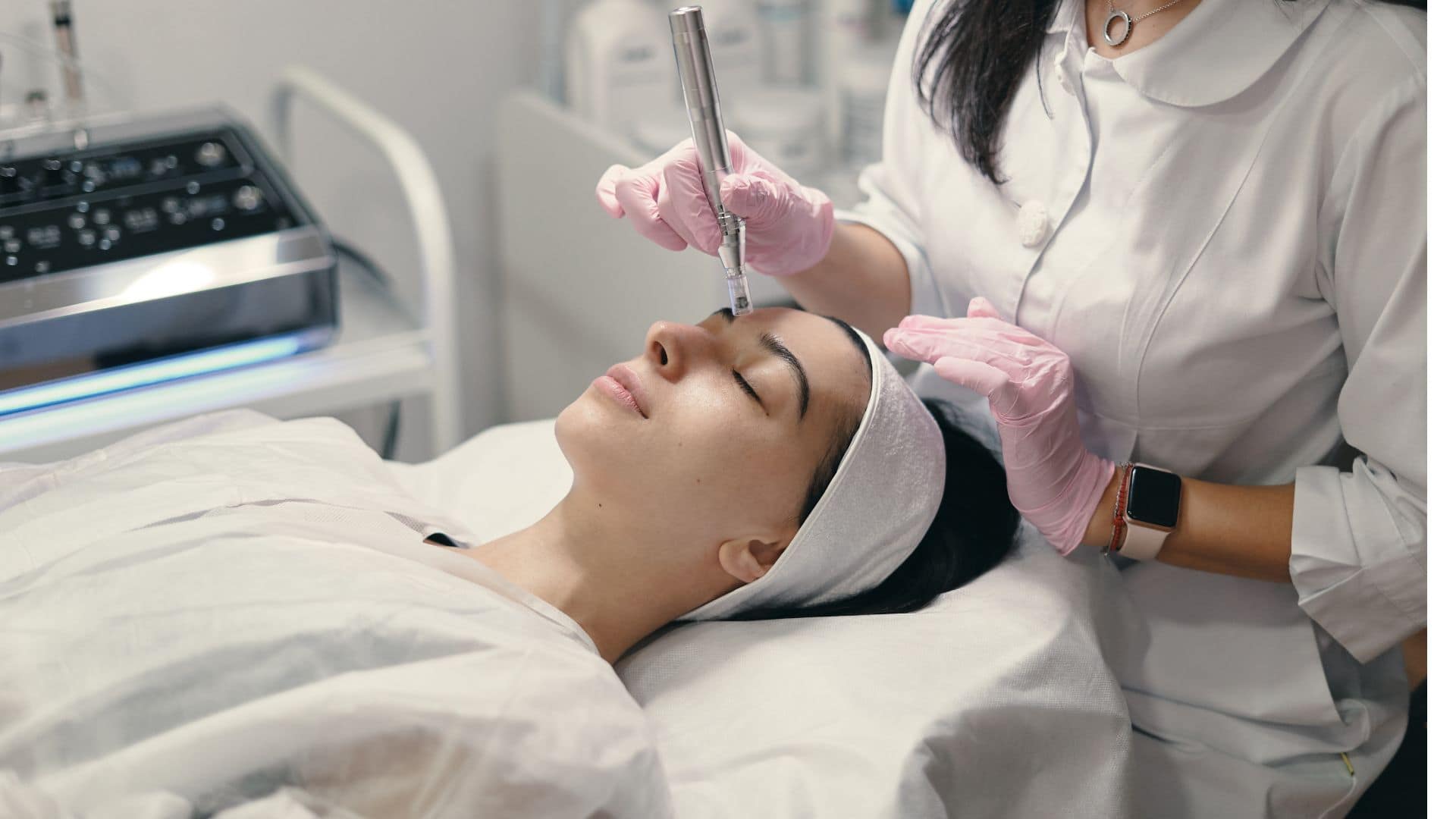
Non-surgical treatments improve appearance without surgery. Instead, doctors use injections, lasers, or skin therapies to achieve results.
Common Non-Surgical Treatments
- Botox to reduce wrinkles
- Dermal fillers to add volume
- Laser treatments for skin tightening
- Chemical peels for skin renewal
- PRP therapy for skin and hair improvement
These treatments are less invasive and usually require little to no downtime. Therefore, many people prefer them for quick results.
Key Differences Between Cosmetic Surgery and Non-Surgical Treatments
Understanding the main differences helps you choose the right option.
Invasiveness
Cosmetic surgery involves cutting and reshaping tissues. On the other hand, non-surgical treatments do not require incisions.
Therefore, non-surgical options feel safer for many people.
Recovery Time
Surgical procedures often require weeks or even months for full recovery. In contrast, non-surgical treatments usually allow patients to return to normal activities within a day or two.
As a result, people with busy schedules often choose non-surgical methods.
Results Duration
Cosmetic surgery provides long-lasting results. In many cases, the effects can last for years.
However, non-surgical treatments offer temporary results. Patients need repeat sessions to maintain their appearance.
Cost Comparison
Cosmetic surgery usually costs more because it involves hospital fees, anesthesia, and surgeon charges.
On the other hand, non-surgical treatments cost less per session. However, repeated sessions may increase the total cost over time.
Risk Factors
Surgery carries higher risks such as infection, scarring, or complications from anesthesia. In comparison, non-surgical treatments have fewer risks, although side effects like swelling or redness may occur.
Advantages of Cosmetic Surgery
Cosmetic surgery offers several benefits, especially for people looking for major changes.
Long-Lasting Results
One of the biggest advantages is durability. Surgical procedures provide results that last for many years.
Dramatic Transformation
Cosmetic surgery can make significant changes in appearance. Therefore, it is suitable for people who want noticeable improvement.
One-Time Procedure
In most cases, patients need only one surgery. This reduces the need for frequent follow-ups.
Boost in Confidence
Improved appearance often leads to better self-esteem. As a result, many patients feel more confident in their personal and professional lives.
Disadvantages of Cosmetic Surgery
Despite its benefits, cosmetic surgery also has some drawbacks.
Higher Cost
Surgery requires a larger investment upfront. Therefore, it may not be suitable for everyone.
Longer Recovery Time
Patients need time to heal after surgery. This may affect daily activities and work schedules.
Risk of Complications
Although rare, complications can occur. Therefore, choosing an experienced surgeon is very important.
Permanent Changes
Surgical results are long-lasting. However, reversing them can be difficult if you are not satisfied.
Advantages of Non-Surgical Treatments
Non-surgical options have become popular due to their convenience and flexibility.
Minimal Downtime
Most treatments allow patients to resume normal activities quickly. Therefore, they fit well into busy lifestyles.
Lower Initial Cost
Compared to surgery, non-surgical treatments are more affordable per session. This makes them accessible to more people.
Less Risk
These treatments do not involve major surgery. As a result, the risk of complications is lower.
Natural-Looking Results
Non-surgical treatments often provide subtle improvements. Therefore, results look more natural.
Disadvantages of Non-Surgical Treatments
While convenient, non-surgical options also have limitations.
Temporary Results
Results do not last long. Patients need repeated sessions to maintain their appearance.
Limited Transformation
Non-surgical treatments cannot achieve dramatic changes. Therefore, they may not meet the expectations of some patients.
Ongoing Cost
Although each session costs less, repeated treatments can increase total expenses over time.
Who Should Choose Cosmetic Surgery?
Cosmetic surgery may be the right choice if you:
- Want permanent or long-lasting results
- Need major changes in appearance
- Are willing to undergo surgery and recovery
- Have a higher budget for treatment
Start your transformation journey with trusted professionals today
Who Should Choose Non-Surgical Treatments?
Non-surgical treatments may suit you if you:
- Prefer quick procedures with minimal downtime
- Want subtle and natural-looking results
- Have a limited budget initially
- Do not want surgery
Cost Comparison: Cosmetic Surgery vs Non-Surgical Treatments
Cost plays a major role when choosing between cosmetic surgery and non-surgical treatments. Therefore, understanding the financial aspect helps you make a better decision.
Cosmetic Surgery Cost
Cosmetic surgery usually requires a higher upfront investment. This cost includes surgeon fees, hospital charges, anesthesia, and post-surgery care.
For example:
- Rhinoplasty: ₹1.5 lakh – ₹4 lakh
- Liposuction: ₹1 lakh – ₹3 lakh
- Facelift: ₹2 lakh – ₹6 lakh
- Breast augmentation: ₹2.5 lakh – ₹5 lakh
Although the cost is high, the results last for many years. Therefore, you may not need frequent treatments.
Non-Surgical Treatment Cost
Non-surgical treatments cost less per session. However, patients need repeat sessions to maintain results.
For example:
- Botox: ₹10,000 – ₹30,000 per session
- Dermal fillers: ₹15,000 – ₹40,000 per session
- Laser treatment: ₹5,000 – ₹25,000 per session
- Chemical peel: ₹3,000 – ₹10,000 per session
At first, these treatments seem more affordable. However, repeated sessions over time can increase the total cost.
Long-Term Cost Comparison
In the short term, non-surgical treatments are cheaper. However, in the long run, cosmetic surgery may offer better value due to lasting results.
Therefore, you should consider both immediate and future expenses before making a decision.
Safety Comparison
Along with cost and results, safety is a key factor in decision-making.
Safety of Cosmetic Surgery
Cosmetic surgery is generally safe when performed by qualified surgeons. However, it still involves risks because it is a surgical procedure.
Possible risks include:
- Infection
- Scarring
- Bleeding
- Reaction to anesthesia
Therefore, choosing a certified and experienced surgeon is very important.
Safety of Non-Surgical Treatments
Non-surgical treatments are safer because they do not involve major surgery. In most cases, side effects are mild and temporary.
Common side effects include:
- Redness
- Swelling
- Minor bruising
However, improper treatment can still cause complications. Therefore, you should always visit a trained professional.
Effectiveness and Results
Both options provide good results, but their effectiveness depends on your goals.
Results from Cosmetic Surgery
Cosmetic surgery delivers noticeable and long-lasting changes. Therefore, it works best for people who want major transformation.
For example, a facelift can remove deep wrinkles, while liposuction can reshape body contours significantly.
Results from Non-Surgical Treatments
Non-surgical treatments provide gradual and subtle improvements. As a result, they are ideal for early signs of aging or minor changes.
For instance, Botox can reduce fine lines, while fillers can restore lost volume.
Popular Trends in 2026
The beauty industry continues to evolve. As a result, both cosmetic surgery and non-surgical treatments are becoming more advanced.
Rise of Non-Surgical Treatments
More people now prefer non-surgical options because they are quick and convenient. In addition, social media trends promote natural-looking results.
Advanced Cosmetic Procedures
At the same time, surgical techniques have improved. Doctors now use safer methods and advanced tools, which reduce recovery time and improve outcomes.
Combination Treatments
Many people now combine both options. For example, they may choose surgery for major changes and non-surgical treatments for maintenance.
Therefore, combination treatments are becoming increasingly popular.
Myths vs Facts
Many people have misconceptions about cosmetic procedures. However, understanding the truth can help you make informed decisions.
Myth: Cosmetic surgery looks unnatural
Fact: Skilled surgeons create natural-looking results when done correctly.
Myth: Non-surgical treatments are completely risk-free
Fact: Although safer, they still carry minor risks if not performed properly.
Myth: Cosmetic procedures are only for celebrities
Fact: Today, people from all backgrounds choose these treatments.
Myth: Non-surgical treatments give permanent results
Fact: Most non-surgical treatments are temporary and require maintenance.
Which Option Is Better for You?
Choosing between cosmetic surgery and non-surgical treatments depends on your personal goals.
Choose cosmetic surgery if you:
- Want long-lasting or permanent results
- Need significant changes in appearance
- Are ready for recovery time
- Have a higher budget
Choose non-surgical treatments if you:
- Prefer quick procedures with minimal downtime
- Want natural and subtle improvements
- Have a lower initial budget
- Do not want surgery
Important Questions to Ask Before Treatment
Before making a decision, you should ask the right questions.
- What results can I expect?
- How long will the results last?
- What are the risks involved?
- What is the total cost, including follow-ups?
- How experienced is the doctor?
These questions help you avoid confusion and make a confident choice.
How to Choose the Right Option for Your Goals
Choosing between cosmetic surgery and non-surgical treatments can feel confusing. However, you can make the decision easier by focusing on your personal goals and expectations.
First, think about the type of result you want. If you expect a major change, then cosmetic surgery may suit you better. On the other hand, if you prefer subtle improvement, non-surgical treatments can work well.
Next, consider your time availability. Surgery requires recovery, while non-surgical procedures allow you to return to daily life quickly. Therefore, your schedule plays an important role.
Finally, evaluate your budget. While surgery needs a higher upfront cost, non-surgical treatments may cost more over time due to repeated sessions.
Preparing for Cosmetic Procedures
Preparation is essential for both safety and results. Therefore, you should plan carefully before undergoing any treatment.
Consultation with a Specialist
First, schedule a consultation with a qualified doctor. During this session, discuss your expectations, medical history, and possible outcomes.
In addition, ask questions about risks, recovery time, and total cost. This helps you avoid surprises later.
Medical Evaluation
Doctors often conduct tests before surgery. These tests ensure that you are fit for the procedure.
For non-surgical treatments, evaluation is usually simpler. However, doctors still check your skin type and medical history.
Setting Realistic Expectations
You should always keep realistic expectations. While both options improve appearance, they cannot create perfection.
Therefore, understanding the limitations helps you stay satisfied with the results.
Recovery and Aftercare
Aftercare plays a major role in achieving the best results. Therefore, you should follow your doctor’s instructions carefully.
Recovery After Cosmetic Surgery
Surgical recovery takes time. In most cases, patients need a few weeks to heal completely.
During this period:
- Avoid heavy physical activity
- Take prescribed medications
- Attend follow-up appointments
- Maintain proper hygiene
As a result, proper care reduces complications and improves healing.
Aftercare for Non-Surgical Treatments
Non-surgical treatments require minimal recovery. However, some care is still necessary.
For example:
- Avoid direct sunlight
- Do not touch treated areas frequently
- Follow skincare instructions
- Stay hydrated
These simple steps help maintain results and prevent side effects.
Long-Term Maintenance
Maintaining results is important regardless of the treatment you choose.
Maintenance After Surgery
Cosmetic surgery results last longer. However, aging continues naturally. Therefore, you may need minor touch-ups over time.
Healthy habits such as proper diet and skincare can extend the results.
Maintenance for Non-Surgical Treatments
Non-surgical treatments require regular sessions. For example, Botox may last a few months, while fillers may last longer.
Therefore, you should plan ongoing treatments to maintain your appearance.
Psychological Impact and Confidence
Cosmetic treatments often improve self-confidence. However, it is important to approach them with the right mindset.
You should choose these treatments for yourself, not because of pressure from others. In addition, a positive attitude helps you feel satisfied with the results.
If needed, you can also seek professional counseling before making a decision.
Future Trends in Aesthetic Treatments
The aesthetic industry continues to grow rapidly. As a result, both surgical and non-surgical options are becoming more advanced.
Technology-Driven Treatments
New technologies improve safety and results. For example, advanced lasers and AI-based tools help doctors achieve better outcomes.
Personalized Treatments
Doctors now create customized plans based on individual needs. Therefore, patients receive more targeted and effective solutions.
Increased Awareness
More people are now aware of their options. As a result, they make informed decisions and choose treatments wisely.
Final Thoughts
Both cosmetic surgery and non-surgical treatments offer valuable benefits. However, the right choice depends on your goals, lifestyle, and budget.
Cosmetic surgery provides long-lasting and dramatic results. In contrast, non-surgical treatments offer quick, convenient, and natural-looking improvements.
Therefore, you should carefully evaluate all factors before making a decision. In many cases, combining both approaches can deliver the best outcome.
With proper research, expert guidance, and realistic expectations, you can achieve safe and satisfying results.
FAQs:
Non-surgical treatments are generally safer because they do not involve surgery. However, both options are safe when performed by qualified professionals.
Most non-surgical treatments last a few months to a year. Therefore, regular sessions are needed to maintain results.
Cosmetic surgery provides long-lasting results. However, natural aging continues, so results may change over time.
Most treatments cause minimal discomfort. Doctors often use numbing creams to reduce pain.
Yes, many people combine both options. For example, they may choose surgery for major changes and non-surgical treatments for maintenance.