
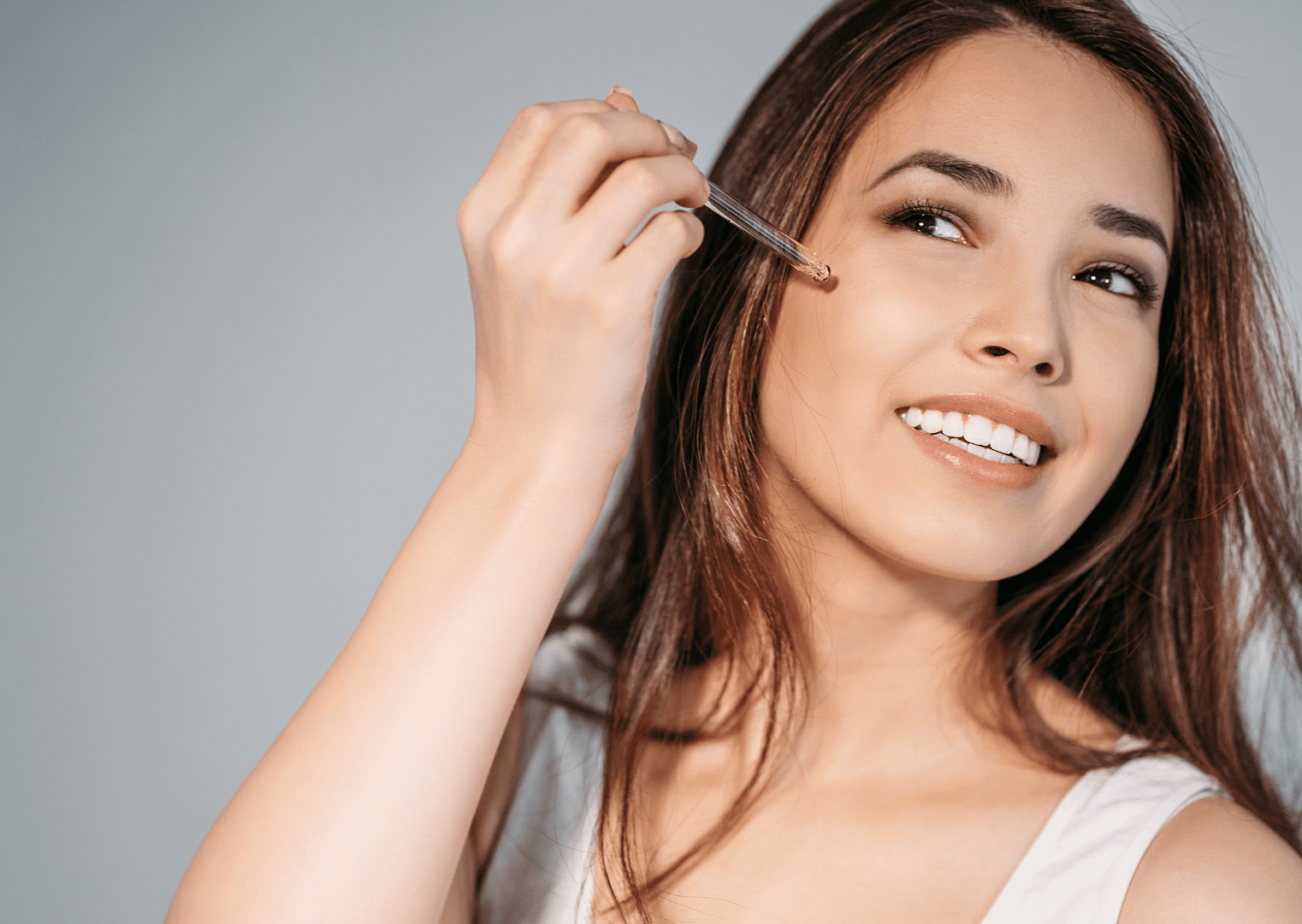
Scientific Research Behind Anti-Aging Treatments
Aging is a natural process that affects every part of the human body over time. As people grow older, the skin loses elasticity, muscles become weaker, metabolism slows down, and the risk of chronic diseases increases. However, modern science is helping researchers better understand how aging works and how it may be slowed through medical and lifestyle interventions.
Consult doctors for customized anti-aging wellness treatment
Today, anti-aging treatments are not limited to beauty creams or cosmetic procedures. Researchers are studying the biological causes of aging to develop therapies that support healthy cells, improve body function, and reduce age-related damage. As a result, anti-aging medicine has become one of the fastest-growing fields in healthcare and biotechnology.
Modern anti-aging research combines several scientific areas, including:
- Cellular biology
- Genetics
- Dermatology
- Nutrition science
- Regenerative medicine
- Hormonal research
- Longevity medicine
Scientists now focus on improving quality of life instead of simply increasing lifespan. Therefore, many modern therapies aim to support physical strength, brain health, skin repair, and overall wellness.
Understanding Biological Aging
Biological aging happens when cells and tissues slowly lose their ability to function properly. Over time, the body becomes less efficient at repairing damage caused by stress, toxins, poor lifestyle habits, and natural metabolic processes.
Several important factors contribute to aging, such as:
- DNA damage
- Oxidative stress
- Chronic inflammation
- Hormonal changes
- Cellular decline
- Mitochondrial dysfunction
Researchers often describe these processes as the “hallmarks of aging.” Each hallmark affects body function differently, yet all of them contribute to gradual physical decline.
In the past, doctors mainly treated the symptoms of aging. Nowadays, scientists are trying to target the biological causes directly. Consequently, anti-aging research is becoming more advanced and personalized.
Cellular Senescence and Aging
One major area of anti-aging science involves cellular senescence. Healthy cells normally divide and replace damaged tissues. However, aging cells eventually stop dividing and become inactive.
These inactive cells are known as senescent cells.
Although senescent cells no longer function correctly, they remain inside the body and release harmful inflammatory substances. As a result, nearby tissues may also become damaged.
Cellular senescence is strongly linked to:
- Arthritis
- Diabetes
- Heart disease
- Skin aging
- Cognitive decline
Scientists are currently studying special compounds called senolytics. These compounds may help remove damaged senescent cells from the body.
Early laboratory studies show promising results. In some experiments, removing senescent cells improved tissue function and reduced inflammation. Nevertheless, more human research is still needed before these therapies become widely available.
Importance of Telomeres
Telomeres play an important role in cellular aging. These structures act like protective caps at the ends of chromosomes.
Whenever cells divide, telomeres become slightly shorter. Eventually, they become too short to protect the cell properly. At that stage, cells lose their ability to divide and function effectively.
Shortened telomeres are associated with:
- Faster biological aging
- Reduced tissue repair
- Increased disease risk
- Lower cellular function
Scientists are studying ways to protect telomeres and slow down cellular aging. Lifestyle habits appear to influence telomere health significantly.
For example, healthy nutrition, regular exercise, stress management, and quality sleep may help support telomere stability.
Researchers are also exploring telomerase activation therapies. Telomerase is an enzyme that may help maintain telomere length. However, scientists continue studying safety concerns because excessive telomerase activity could increase cancer risk.
Oxidative Stress and Free Radicals
Oxidative stress is another important factor in aging research. During normal metabolism, the body produces unstable molecules called free radicals.
Environmental pollution, smoking, UV radiation, poor diet, and stress can increase free radical production even further.
Free radicals damage important cellular structures, including:
- DNA
- Proteins
- Cell membranes
- Mitochondria
As oxidative stress increases, visible and internal aging may accelerate. Consequently, researchers believe reducing oxidative damage may help support healthier aging.
Antioxidants are substances that neutralize harmful free radicals. Therefore, scientists are studying antioxidant therapies extensively.
Important antioxidants include:
- Vitamin C
- Vitamin E
- Glutathione
- Polyphenols
- Coenzyme Q10
Many anti-aging skincare products also contain antioxidants because they help protect the skin from environmental damage and premature aging.
Schedule consultation for science-based healthy aging solutions
Mitochondrial Function and Longevity
Mitochondria are tiny structures inside cells that produce energy for the body. For this reason, they are often called the “powerhouses” of cells.
As people age, mitochondrial function gradually declines. Damaged mitochondria may contribute to:
- Fatigue
- Muscle weakness
- Brain fog
- Reduced metabolism
- Inflammation
Scientists now consider mitochondrial dysfunction one of the major causes of aging-related decline.
Researchers are studying several methods to support mitochondrial health, including:
- Exercise programs
- Nutritional therapies
- Caloric restriction
- Cellular energy supplements
- NAD+ boosting compounds
NAD+ is a molecule involved in cellular energy production and repair. Levels naturally decrease with age. Consequently, compounds such as NMN and nicotinamide riboside are receiving major scientific attention for their potential anti-aging effects.
Research on Caloric Restriction
Caloric restriction is among the most researched anti-aging strategies in modern science.
This method involves reducing calorie intake without causing malnutrition. Studies on animals have shown that caloric restriction may improve lifespan and metabolic health.
Researchers believe caloric restriction may:
- Reduce inflammation
- Improve insulin sensitivity
- Enhance cellular repair
- Support mitochondrial health
- Activate longevity pathways
In addition, fasting and intermittent fasting are becoming popular areas of anti-aging research.
Scientists suggest that fasting may activate autophagy, a natural process where the body removes damaged cellular components and recycles them efficiently.
Although early findings appear promising, long-term human studies are still ongoing.
Stem Cell Therapy and Regenerative Medicine
Stem cell therapy is transforming anti-aging and regenerative medicine, Stem cells have the ability to develop into many different cell types within the body.
These cells help repair damaged tissues and support regeneration. However, stem cell activity decreases with age.
Reduced stem cell function may affect:
- Skin repair
- Joint health
- Muscle recovery
- Organ function
- Hair growth
Researchers are studying stem cell therapies for several anti-aging applications, including skin rejuvenation and tissue regeneration.
Platelet-rich plasma therapy, commonly known as PRP, is already used in cosmetic dermatology and hair restoration treatments.
In many cases, regenerative medicine aims to stimulate the body’s natural healing ability rather than simply masking aging symptoms.
Hormonal Changes During Aging
Hormones strongly influence how the body ages. As people grow older, hormone levels naturally decline.
Several hormones affected by aging include:
- Estrogen
- Testosterone
- Growth hormone
- Melatonin
- DHEA
Hormonal decline may contribute to:
- Reduced muscle mass
- Poor sleep
- Low energy
- Mood changes
- Bone loss
- Skin aging
Doctors sometimes use hormone replacement therapies to manage severe age-related hormonal deficiencies.
However, these treatments require careful medical supervision. Improper hormone use may increase certain health risks. Therefore, researchers continue evaluating the long-term safety and effectiveness of hormone therapies.
Scientific Advances in Anti-Aging Skincare
Modern anti-aging skincare is based heavily on scientific research. Dermatologists now understand that skin aging occurs due to both internal and external factors.
Several factors that accelerate skin aging include:
- Sun exposure
- Pollution
- Smoking
- Stress
- Collagen loss
- Oxidative damage
Scientific research has led to advanced skincare ingredients that support collagen production and skin repair.
Common evidence-based anti-aging ingredients include:
- Retinoids
- Hyaluronic acid
- Peptides
- Vitamin C
- Niacinamide
Retinoids remain one of the most studied anti-aging compounds because they improve skin renewal and collagen formation.
In addition, procedures such as laser therapy, microneedling, and radiofrequency treatments are becoming increasingly popular for skin rejuvenation.
Speak with experts about advanced regenerative therapies today
Genetics and Longevity Research
Genetics also influence aging and lifespan. Some individuals naturally age more slowly due to inherited genetic factors.
Scientists have identified genes linked to:
- DNA repair
- Cellular protection
- Metabolic regulation
- Stress resistance
Researchers are also studying epigenetics, which examines how lifestyle and environmental factors affect gene activity.
Unlike inherited DNA, epigenetic changes may be influenced by daily habits. Therefore, healthy lifestyles may help slow certain aging processes.
Important lifestyle factors include:
- Balanced nutrition
- Regular physical activity
- Stress control
- Sleep quality
- Reduced toxin exposure
This research supports the idea that healthy habits can improve long-term wellness and healthy aging.
Inflammation and Age-Related Diseases
Chronic inflammation is strongly connected to aging and disease development. Scientists often use the term “inflammaging” to describe long-term low-grade inflammation associated with aging.
Persistent inflammation may contribute to:
- Heart disease
- Diabetes
- Alzheimer’s disease
- Arthritis
- Muscle loss
For this reason, many anti-aging therapies focus on reducing inflammation naturally.
Researchers recommend strategies such as:
- Anti-inflammatory diets
- Regular exercise
- Stress reduction
- Gut health improvement
- Adequate sleep
These approaches may help lower inflammation and support healthier aging over time.
Gut Microbiome and Healthy Aging
The gut microbiome has become one of the most exciting areas in anti-aging research. The human digestive system contains trillions of bacteria and microorganisms that influence overall health.
Scientists now understand that gut health affects:
- Immunity
- Digestion
- Brain function
- Metabolism
- Inflammation
- Energy levels
As people age, the balance of healthy gut bacteria may change. Consequently, harmful bacteria may increase while beneficial microbes decrease. This imbalance can contribute to chronic diseases and weakened immunity.
Researchers are studying how improving gut health may support healthy aging. Several strategies include:
- Probiotic supplementation
- Fiber-rich diets
- Prebiotic foods
- Fermented foods
- Reduced processed sugar intake
Additionally, studies suggest that healthy gut bacteria may positively affect mental health and cognitive function. Therefore, maintaining microbiome balance is becoming an important part of preventive healthcare.
Role of Exercise in Anti-Aging
Regular exercise remains one of the most scientifically proven anti-aging strategies. Physical activity supports nearly every system in the body.
Exercise helps improve:
- Heart health
- Muscle strength
- Bone density
- Blood circulation
- Brain function
- Metabolic health
Furthermore, regular movement may reduce inflammation and oxidative stress. Scientists also believe exercise stimulates mitochondrial activity and supports cellular repair.
Different forms of exercise provide different anti-aging benefits:
Aerobic Exercise
Activities such as walking, swimming, and cycling improve cardiovascular health and endurance.
Strength Training
Resistance exercises help preserve muscle mass and bone strength. This becomes especially important as muscle loss naturally increases with age.
Flexibility and Balance Training
Yoga and stretching improve mobility, posture, and balance while reducing injury risk.
Researchers consistently find that physically active individuals often experience better longevity and overall wellness compared to sedentary populations.
Sleep and Cellular Repair
Sleep plays a critical role in healthy aging. During sleep, the body repairs tissues, balances hormones, and supports brain function.
Poor sleep quality may contribute to:
- Cognitive decline
- Weight gain
- Hormonal imbalance
- Reduced immunity
- Faster skin aging
Moreover, chronic sleep deprivation may increase inflammation and oxidative stress.
Scientists are now studying the relationship between sleep and cellular repair mechanisms. During deep sleep, the brain removes metabolic waste products that may contribute to neurodegenerative diseases.
Good sleep habits that support healthy aging include:
- Maintaining a consistent sleep schedule
- Reducing screen exposure before bedtime
- Managing stress levels
- Avoiding excessive caffeine intake
As a result, sleep optimization has become an important part of modern anti-aging medicine.
Brain Health and Cognitive Longevity
Cognitive decline is one of the biggest concerns associated with aging. Researchers are studying ways to preserve memory, focus, and mental performance for longer periods.
Several factors influence brain aging, including:
- Inflammation
- Poor circulation
- Oxidative stress
- Nutritional deficiencies
- Lack of mental stimulation
Scientists believe healthy lifestyle habits may significantly support cognitive longevity.
Important brain-supportive strategies include:
- Regular physical exercise
- Mental stimulation
- Social interaction
- Healthy nutrition
- Stress management
Additionally, researchers are studying compounds that may protect brain cells and improve cognitive function.
These include:
- Omega-3 fatty acids
- Curcumin
- Resveratrol
- Antioxidants
- Nootropic compounds
Although some findings appear promising, experts continue evaluating long-term safety and effectiveness.
Nutrition Science and Longevity
Nutrition science plays a major role in anti-aging research. Scientists now recognize that diet directly affects inflammation, metabolism, and cellular health.
A nutrient-rich diet may help reduce the risk of age-related diseases while supporting healthy body function.
Anti-aging nutrition commonly emphasizes:
- Fruits and vegetables
- Healthy fats
- Lean proteins
- Whole grains
- Antioxidant-rich foods
On the other hand, excessive sugar, processed foods, and unhealthy fats may accelerate aging processes.
Researchers are also studying specific dietary patterns linked to longevity, including:
Mediterranean Diet
This diet focuses on olive oil, vegetables, fish, nuts, and whole foods. Studies often associate it with lower inflammation and better heart health.
Plant-Based Nutrition
Plant-focused diets may support gut health and reduce oxidative stress.
Calorie-Conscious Eating
Moderate calorie intake may improve metabolic function and cellular repair pathways.
Consequently, personalized nutrition plans are becoming increasingly popular in anti-aging medicine.
Anti-Aging Effects of Collagen Research
Collagen is the most abundant structural protein in the human body. It supports:
- Skin elasticity
- Joint strength
- Bone structure
- Hair health
However, collagen production naturally decreases with age. As a result, wrinkles, joint pain, and skin thinning become more common.
Researchers are studying collagen supplementation and collagen-stimulating therapies to support tissue health.
Common anti-aging collagen approaches include:
- Collagen peptides
- Vitamin C supplementation
- Protein-rich diets
- Microneedling treatments
- Laser therapy
Some studies suggest collagen supplements may improve skin hydration and elasticity. Nevertheless, researchers continue studying long-term effectiveness.
Role of Artificial Intelligence in Anti-Aging Medicine
Artificial intelligence is becoming increasingly important in anti-aging healthcare. AI technologies help researchers analyze large amounts of biological and medical data quickly.
AI applications in anti-aging research include:
- Personalized treatment planning
- Genetic analysis
- Skin aging assessment
- Disease risk prediction
- Biomarker tracking
In addition, wearable health devices now collect real-time information about sleep, activity, stress, and heart health.
This data allows healthcare providers to create customized wellness strategies for patients.
As technology advances, AI may improve preventive healthcare and early disease detection significantly.
Cryotherapy and Cold Exposure Research
Cryotherapy involves exposing the body to extremely cold temperatures for short periods.
Some researchers believe cold exposure may:
- Reduce inflammation
- Improve circulation
- Support muscle recovery
- Stimulate metabolism
Athletes commonly use cryotherapy for recovery purposes. Meanwhile, wellness clinics increasingly promote it as an anti-aging treatment.
Cold exposure may also activate certain cellular stress responses linked to resilience and repair. However, scientific evidence regarding long-term anti-aging benefits remains limited.
Therefore, experts recommend further research before making strong medical claims.
Red Light Therapy and Skin Repair
Red light therapy has gained popularity in skincare and wellness clinics. This treatment uses low-level wavelengths of red light to stimulate cellular activity.
Researchers suggest red light therapy may help:
- Improve collagen production
- Reduce skin inflammation
- Support wound healing
- Improve skin texture
Additionally, some studies indicate that red light therapy may support muscle recovery and reduce joint discomfort.
Because the treatment is non-invasive, many people prefer it over aggressive cosmetic procedures. Still, long-term clinical research is continuing.
Get expert consultation for youthful skin improvement strategies
Peptide Therapy in Anti-Aging Research
Peptides are short chains of amino acids that support communication between cells.
Scientists are exploring peptide therapies for:
- Skin rejuvenation
- Muscle recovery
- Hormonal support
- Tissue repair
Some peptides may stimulate collagen production or support healing processes. Consequently, peptide-based skincare and wellness treatments are becoming increasingly popular.
However, many peptide therapies remain under investigation. Medical supervision is essential because scientific understanding is still developing.
Importance of Stress Management
Chronic stress accelerates aging in multiple ways. High stress levels may increase inflammation, hormone imbalance, and oxidative damage.
Long-term stress can affect:
- Sleep quality
- Skin appearance
- Immune health
- Brain function
- Cardiovascular health
Therefore, stress management has become a major component of anti-aging medicine.
Effective stress reduction methods include:
- Meditation
- Yoga
- Deep breathing exercises
- Physical activity
- Nature exposure
- Social support
Research suggests mindfulness practices may positively affect biological aging markers and emotional wellbeing.
Cosmetic Procedures and Scientific Innovation
Cosmetic medicine continues evolving due to scientific innovation. Modern procedures aim to improve appearance while supporting natural skin regeneration.
Popular anti-aging cosmetic treatments include:
- Botox injections
- Dermal fillers
- Laser resurfacing
- Chemical peels
- Radiofrequency therapy
- Ultrasound skin tightening
Many of these procedures stimulate collagen production and improve skin texture.
Additionally, non-surgical treatments are becoming more popular because they often involve shorter recovery times compared to traditional surgery.
Researchers continue improving safety, effectiveness, and treatment precision through advanced technologies.
Ethical Questions in Anti-Aging Science
As anti-aging research advances, ethical discussions are also increasing.
Some experts raise concerns regarding:
- Unequal access to treatments
- Long-term safety
- Genetic modification
- High treatment costs
- Unrealistic beauty standards
Scientists emphasize the importance of responsible research and evidence-based medicine.
Moreover, healthcare professionals encourage balancing longevity goals with overall physical and emotional wellbeing.
Future of Anti-Aging Treatments
The future of anti-aging science looks highly promising. Researchers continue exploring innovative therapies designed to improve lifespan and quality of life.
Future developments may include:
- Advanced regenerative medicine
- Personalized genetic therapies
- AI-based health monitoring
- Precision nutrition
- Cellular repair technologies
- Organ regeneration research
In addition, preventive medicine will likely play a larger role in helping individuals maintain health before serious diseases develop.
Scientists believe combining medical science with healthy lifestyle habits may offer the best long-term anti-aging results.
Connect with specialists for holistic longevity care guidance
Conclusion
Scientific research behind anti-aging treatments is expanding rapidly across medicine, biotechnology, and wellness science. Researchers now understand that aging involves many interconnected biological processes.
Modern anti-aging strategies focus on:
- Cellular repair
- Inflammation control
- Hormonal balance
- Mitochondrial support
- Skin regeneration
- Brain health
- Preventive healthcare
Although no treatment can completely stop aging, scientific advancements continue improving the ability to support healthier and more active lives.
As research progresses, anti-aging medicine will likely become more personalized, preventive, and technology-driven in the years ahead.
FAQs:
Anti-aging treatments are therapies, medical procedures, and lifestyle approaches designed to reduce signs of aging and support healthier body function over time.
Aging gradually affects skin, muscles, hormones, metabolism, immunity, and brain function due to cellular damage and reduced repair ability.
Cellular senescence occurs when damaged cells stop dividing and release harmful substances that contribute to inflammation and age-related diseases.
Antioxidants help protect cells from oxidative stress caused by free radicals, which can damage DNA, proteins, and tissues.
Regular exercise improves heart health, muscle strength, circulation, metabolism, and brain function while reducing inflammation and stress.
Healthy nutrition supports cellular repair, reduces inflammation, improves metabolism, and lowers the risk of age-related diseases.