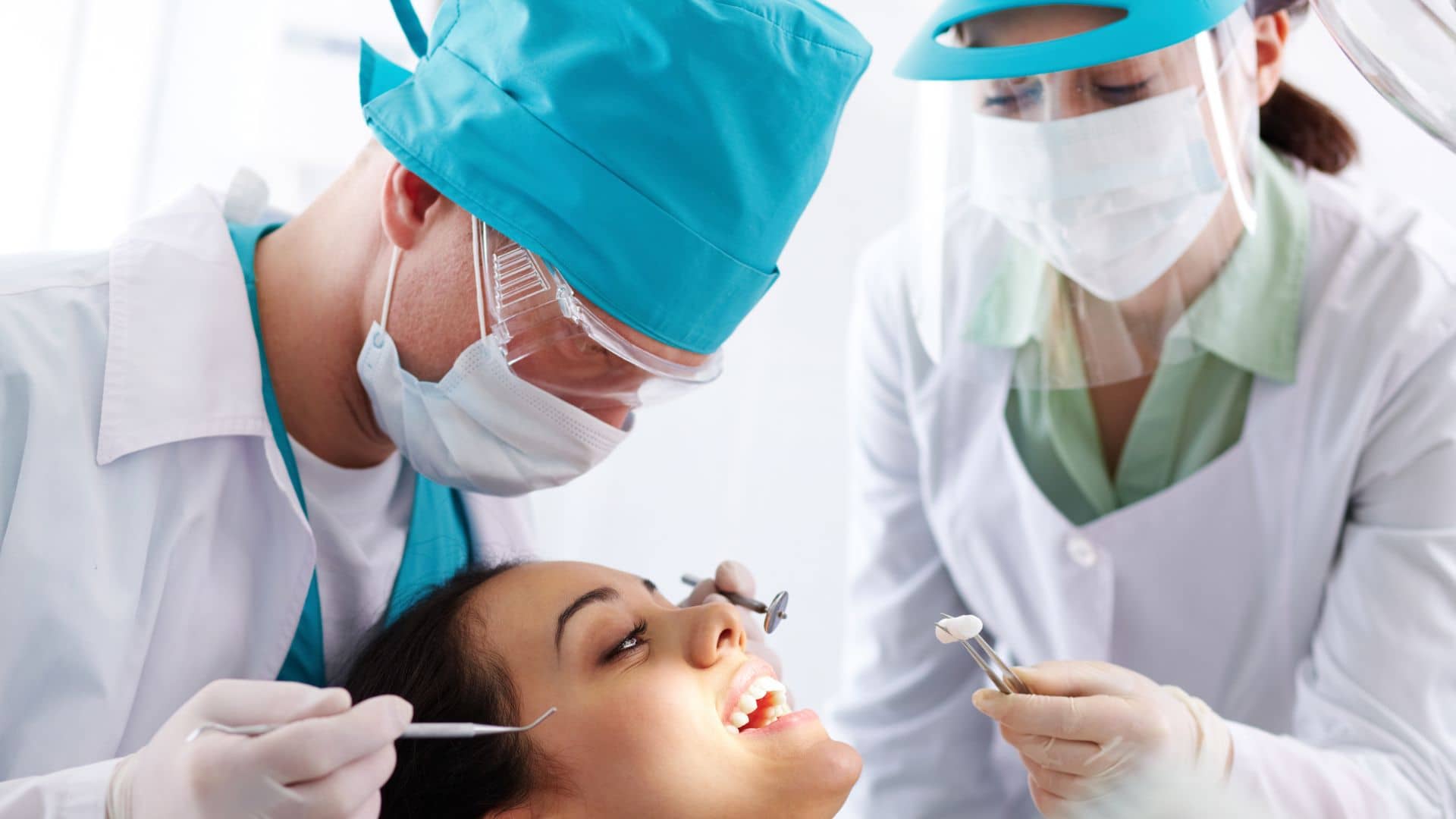

Combining Travel and Dental Care: Planning Tips
Introduction
Traveling for dental care, often referred to as dental tourism, is becoming increasingly popular worldwide. People are now combining their medical needs with leisure travel to save costs, access high-quality treatments, and explore new destinations. Whether it’s for routine procedures, cosmetic dentistry, or advanced treatments, planning your dental journey alongside travel can be both practical and rewarding.
However, combining travel with dental care requires careful preparation. From choosing the right destination to scheduling treatments and managing recovery time, every step plays a crucial role in ensuring a smooth and successful experience.
This guide explores how to effectively plan your travel while taking care of your dental health, helping you make informed and confident decisions.
Understanding Dental Tourism
Dental tourism involves traveling to another city or country to receive dental treatment. Many patients choose this option due to lower costs, shorter waiting times, and access to specialized procedures.
Why People Choose Dental Tourism
One of the biggest reasons is affordability. Dental treatments can be significantly cheaper in certain destinations without compromising quality. Many clinics also offer advanced technology and experienced professionals.
Another reason is convenience. Some regions provide faster appointments compared to long waiting periods in other areas.
Additionally, combining treatment with travel allows patients to relax and recover in a new environment, turning a medical necessity into a pleasant experience.
Benefits of Combining Travel with Dental Care
Cost Savings
Traveling for dental procedures can reduce expenses, even after including travel and accommodation costs. This makes it an attractive option for treatments like implants, crowns, and cosmetic procedures.
Access to Advanced Treatments
Some destinations are known for their expertise in specific dental procedures. Patients can benefit from modern equipment and specialized care.
Opportunity to Travel
Combining treatment with a vacation allows you to explore new places, cultures, and cuisines. It transforms a routine medical visit into a memorable experience.
Shorter Waiting Times
Many clinics offer quick scheduling, allowing patients to receive treatment without long delays.
Choosing the Right Destination
Selecting the right location is one of the most important steps in planning dental travel.
Factors to Consider
Quality of Care
Research clinics, dentists, and patient reviews to ensure high standards of treatment.
Cost Comparison
Compare prices across different locations while considering travel expenses.
Language and Communication
Choose destinations where communication is easy to avoid misunderstandings.
Travel Convenience
Look for places with good connectivity, visa ease, and safe travel conditions.
Popular Dental Tourism Destinations
Countries known for dental tourism include India, Thailand, Turkey, Hungary, and Mexico. These destinations offer a balance of affordability, quality, and tourism opportunities.
Selecting the Right Dental Clinic
Choosing a reliable clinic ensures safety and successful treatment.
What to Look For
Qualifications and Experience
Check the dentist’s credentials and experience in the specific procedure you need.
Technology and Facilities
Modern equipment and hygienic environments are essential.
Patient Reviews
Feedback from previous patients provides valuable insights.
Transparent Pricing
Ensure there are no hidden costs.
Communication is Key
Before traveling, communicate with the clinic about your condition, treatment plan, and expected timeline. Sharing medical records and X-rays in advance helps the dentist prepare better.
Planning Your Treatment Schedule
Timing is crucial when combining travel with dental care.
Allow Enough Time
Different treatments require different durations. Some procedures may need multiple visits or recovery time. Plan your stay accordingly.
Understand Recovery Needs
Procedures like implants or surgeries require rest and follow-up visits. Avoid scheduling intense travel activities immediately after treatment.
Follow-Up Appointments
Ensure that your treatment plan includes follow-ups, either in person or online. This helps monitor recovery and address any issues.
Budgeting for Dental Travel
A clear budget helps avoid unexpected expenses.
Key Cost Components
- Treatment costs
- Flights and transportation
- Accommodation
- Food and daily expenses
- Travel insurance
Hidden Costs to Watch
Additional procedures, extended stays, or emergency care can increase expenses. Always keep a buffer in your budget.
Travel and Accommodation Planning
Comfort plays an important role in recovery.
Choose Convenient Accommodation
Stay close to the clinic to reduce travel stress. Comfortable lodging helps in faster recovery.
Transportation Options
Plan reliable transport from the airport to your hotel and clinic. Easy access reduces fatigue and saves time.
Preparing for Your Trip
Preparation ensures a smooth experience.
Medical Records
Carry all necessary documents, including dental history, prescriptions, and reports.
Travel Insurance
Choose insurance that covers medical emergencies and unexpected situations.
Health Precautions
Maintain good oral hygiene before your trip to avoid complications during treatment.
Managing Anxiety and Expectations
Traveling for medical treatment can be stressful.
Stay Informed
Understanding the procedure reduces fear and builds confidence.
Ask Questions
Do not hesitate to ask your dentist about risks, recovery time, and expected outcomes.
Stay Positive
A calm and positive mindset helps improve the overall experience.
Balancing Travel and Recovery
While it’s tempting to explore, your health should come first.
Take It Easy
Avoid physically demanding activities immediately after treatment.
Plan Light Activities
Choose relaxing options such as sightseeing, local cuisine, or short walks.
Listen to Your Body
Rest when needed and follow your dentist’s advice strictly.
Ensuring a Safe and Comfortable Dental Travel Experience
Focusing on Safety and Quality
As dental travel becomes more popular, ensuring safety and quality care should remain a top priority. While cost savings and travel opportunities are appealing, the success of your experience depends on making informed and careful decisions.
A well-planned approach minimizes risks and ensures that your treatment delivers long-lasting results.
Verifying Credentials and Standards
Before confirming your treatment, it is essential to verify the qualifications and credibility of the dental clinic.
Check Certifications and Licenses
Ensure that the clinic and dentist are properly certified and licensed according to local regulations. International accreditations can also indicate higher standards of care.
Evaluate Experience
Look for dentists who specialize in the procedure you need. Experience plays a major role in achieving successful outcomes, especially for complex treatments.
Hygiene and Safety Protocols
A clean and well-maintained clinic is a must. Proper sterilization practices and modern equipment reduce the risk of infections and complications.
Understanding the Treatment Process
Having a clear understanding of your treatment helps you stay prepared.
Detailed Treatment Plan
Ask for a step-by-step explanation of the procedure, including the number of visits, duration, and recovery time.
Risks and Complications
Every medical procedure carries some level of risk. Understanding potential complications allows you to make informed decisions.
Expected Results
Discuss realistic outcomes with your dentist. Avoid clinics that promise perfect results without explaining limitations.
Legal and Ethical Considerations
Traveling for dental care involves different laws and regulations.
Patient Rights
Understand your rights as a patient in the destination country. This includes consent, privacy, and access to medical records.
Documentation
Keep copies of all agreements, invoices, prescriptions, and reports. These documents are important for future reference or follow-up care.
Insurance Coverage
Check whether your insurance covers international dental treatments or complications arising during travel.
Communication and Coordination
Clear communication reduces misunderstandings and ensures a smoother experience.
Pre-Travel Consultation
Discuss your condition, treatment options, and expectations with the dentist before traveling. Online consultations can help finalize plans.
Language Clarity
Ensure that you can communicate comfortably with the clinic staff. Miscommunication can affect treatment quality.
Emergency Contact
Have a point of contact at the clinic for emergencies or urgent queries during your stay.
Preparing for Recovery Abroad
Recovery is a critical part of any dental treatment.
Plan Recovery Time
Allocate enough time for healing before returning home. Rushing back can lead to complications.
Follow Post-Treatment Instructions
Strictly follow the dentist’s advice regarding medication, diet, and oral care.
Avoid Risky Activities
Stay away from strenuous activities, extreme temperatures, or foods that may affect healing.
Food and Lifestyle Adjustments
Your diet and habits play a significant role in recovery.
Choose Soft and Nutritious Foods
After certain procedures, soft foods are easier to consume and reduce discomfort.
Stay Hydrated
Proper hydration supports healing and overall health.
Avoid Harmful Habits
Smoking and alcohol can slow down recovery and should be avoided.
Managing Travel After Treatment
Traveling after dental procedures requires extra care.
Air Travel Considerations
Some treatments may cause sensitivity to pressure changes during flights. Consult your dentist before planning air travel.
Comfort During Travel
Carry necessary medications and maintain proper oral care during your journey.
Plan Return Timing
Ensure you are comfortable and stable before traveling back home.
Post-Return Care and Follow-Up
Care does not end after you return home.
Local Dentist Consultation
Visit a local dentist for follow-up care if needed. Sharing your treatment records helps ensure continuity.
Monitor Recovery
Pay attention to any unusual symptoms such as pain, swelling, or discomfort.
Stay Connected with Your Clinic
Maintain communication with your original dentist for guidance and support.
Avoiding Common Mistakes
Many travelers face issues due to poor planning.
Choosing a clinic based only on low cost can compromise quality.
Ignoring recovery time can lead to complications.
Lack of proper research may result in unsatisfactory outcomes.
Skipping follow-up care can affect long-term results.
Avoiding these mistakes ensures a safer and more successful experience.
Making the Most of Your Travel Experience
While your primary goal is dental treatment, you can still enjoy your trip responsibly.
Plan Relaxed Activities
Engage in light sightseeing or cultural experiences that do not interfere with recovery.
Explore Local Wellness Options
Spas, nature walks, or relaxation therapies can complement your recovery process.
Balance Health and Leisure
Prioritize your health while making time to enjoy your surroundings.
Financial Planning for Extended Care
Sometimes treatments may require additional visits or adjustments.
Keep Emergency Funds
Unexpected costs can arise, so having extra funds is important.
Flexible Travel Plans
Choose flexible booking options to accommodate any changes in your schedule.
Building Confidence in Dental Travel
Confidence comes from preparation and knowledge.
Research thoroughly, ask questions, and choose reputable clinics. Understanding the process and planning carefully reduces stress and improves outcomes.
Making Dental Travel a Long-Term Advantage
Turning One Trip into Lasting Benefits
Combining travel with dental care is not just about saving money or enjoying a short trip. When planned strategically, it can become a long-term investment in your health, confidence, and overall well-being. The key is to think beyond the immediate procedure and focus on maintaining results, building trusted connections, and planning future care effectively.
Maintaining Results After Treatment
The success of any dental procedure depends heavily on how well you maintain it afterward.
Follow a Strong Oral Care Routine
Brush and floss regularly using recommended products. Maintaining hygiene prevents infections and protects the results of your treatment.
Attend Regular Checkups
Even after receiving treatment abroad, routine dental visits at home are essential. Regular checkups help detect any issues early and ensure long-term success.
Follow Dietary Guidelines
Avoid foods that may damage dental work, especially in the initial recovery phase. Maintaining a balanced diet also supports overall oral health.
Building a Long-Term Relationship with Your Dentist
A reliable dental professional can become a valuable part of your healthcare journey.
Stay Connected Digitally
Many clinics offer online consultations and follow-up support. Staying in touch ensures you can get advice whenever needed.
Plan Future Visits
If you are satisfied with your experience, you may choose to return for additional treatments or checkups. Planning ahead makes future visits smoother and more cost-effective.
Exploring Advanced Dental Procedures
Once you are comfortable with dental travel, you may consider advanced treatments.
Cosmetic Dentistry
Procedures such as teeth whitening, veneers, and smile design can enhance appearance and confidence.
Restorative Treatments
Dental implants, crowns, and bridges help restore function and improve oral health.
Preventive Care Packages
Some clinics offer comprehensive care packages that include cleaning, checkups, and minor treatments.
Creating a Balanced Travel Plan
Balancing healthcare and travel ensures a positive experience.
Prioritize Treatment First
Your dental procedure should always come first. Plan travel activities around your treatment schedule and recovery needs.
Choose Relaxing Experiences
Opt for calm and enjoyable activities such as nature visits, cultural exploration, or light sightseeing.
Avoid Overplanning
Trying to do too much can lead to fatigue and affect recovery. Keep your schedule flexible and manageable.
Leveraging Reviews and Recommendations
Learning from others can help you make better decisions.
Read Patient Experiences
Reviews provide insights into clinic quality, service, and results. Look for detailed feedback rather than just ratings.
Seek Personal Recommendations
Friends, family, or online communities can offer valuable suggestions based on real experiences.
Financial Benefits Over Time
Dental travel can provide long-term financial advantages when planned properly.
Cost Savings on Major Treatments
Procedures like implants or full-mouth restorations can be significantly more affordable in certain destinations.
Combining Multiple Treatments
Completing multiple procedures in one trip can reduce overall costs and save time.
Budget Planning for Future Care
Setting aside funds for follow-up visits or additional treatments ensures continuity of care.
Preparing for Emergencies
Unexpected situations can arise, even with careful planning.
Emergency Contacts
Keep contact details of your dentist, local healthcare providers, and emergency services.
Backup Plans
Identify nearby clinics in case immediate assistance is required.
Travel Insurance Support
Ensure your insurance covers emergencies and complications during your trip.
Ethical and Responsible Travel
Responsible planning benefits both you and the destination.
Respect Local Regulations
Follow local laws and healthcare guidelines to avoid complications.
Support Reputable Clinics
Choosing ethical and certified providers encourages quality standards in the industry.
Be an Informed Patient
Understanding your treatment and responsibilities ensures better outcomes.
Integrating Wellness into Your Journey
Dental travel can also be an opportunity to focus on overall wellness.
Stress Management
Relaxation techniques such as meditation or light exercise can support recovery.
Healthy Lifestyle Choices
Maintaining good habits during your trip improves both dental and general health.
Holistic Approach
Combining medical care with wellness activities creates a balanced and fulfilling experience.
Avoiding Long-Term Mistakes
Certain mistakes can affect your results even after successful treatment.
Neglecting oral hygiene can damage dental work.
Skipping follow-up care may lead to complications.
Ignoring professional advice can reduce treatment effectiveness.
Choosing low-cost options without research can cause long-term issues.
Being mindful of these factors helps protect your investment.
Evaluating Your Overall Experience
Reflecting on your journey helps improve future decisions.
Assess Treatment Quality
Consider the effectiveness, comfort, and results of your procedure.
Review Travel Experience
Evaluate your accommodation, transportation, and overall comfort.
Plan Improvements
Use your experience to make better choices for future dental or medical travel.
Long-Term Impact of Dental Travel
When done correctly, dental travel offers more than immediate benefits.
Improved oral health and confidence
Access to advanced treatments
Cost-effective healthcare solutions
Exposure to new cultures and experiences
Better understanding of global healthcare options
These benefits make dental travel a valuable option for many individuals.
Final Thoughts
Combining travel with dental care is a smart and evolving approach to modern healthcare. With careful planning, informed decisions, and a focus on quality, it can provide excellent results both medically and personally.
Success lies in balancing treatment, recovery, and travel experiences while maintaining long-term care. By staying proactive and responsible, you can transform dental travel into a rewarding journey that supports both your health and lifestyle.
FAQs:
Dental tourism is the practice of traveling to another city or country to receive dental treatment, often to save costs or access better facilities while also enjoying travel.
Yes, it can be safe if you choose a qualified dentist and a reputable clinic. Proper research, checking credentials, and reading patient reviews are essential for safety.
Savings vary depending on the procedure and destination. Many people save a significant amount compared to treatment costs in their home country, even after travel expenses.
Common procedures include dental implants, crowns, veneers, teeth whitening, and full-mouth restorations. These treatments often offer the most value when done abroad.
Look for experienced dentists, proper certifications, modern equipment, good hygiene standards, and positive patient reviews. Transparent pricing is also important.
The duration depends on the procedure. Minor treatments may require a few days, while complex procedures may need a longer stay for recovery and follow-up.