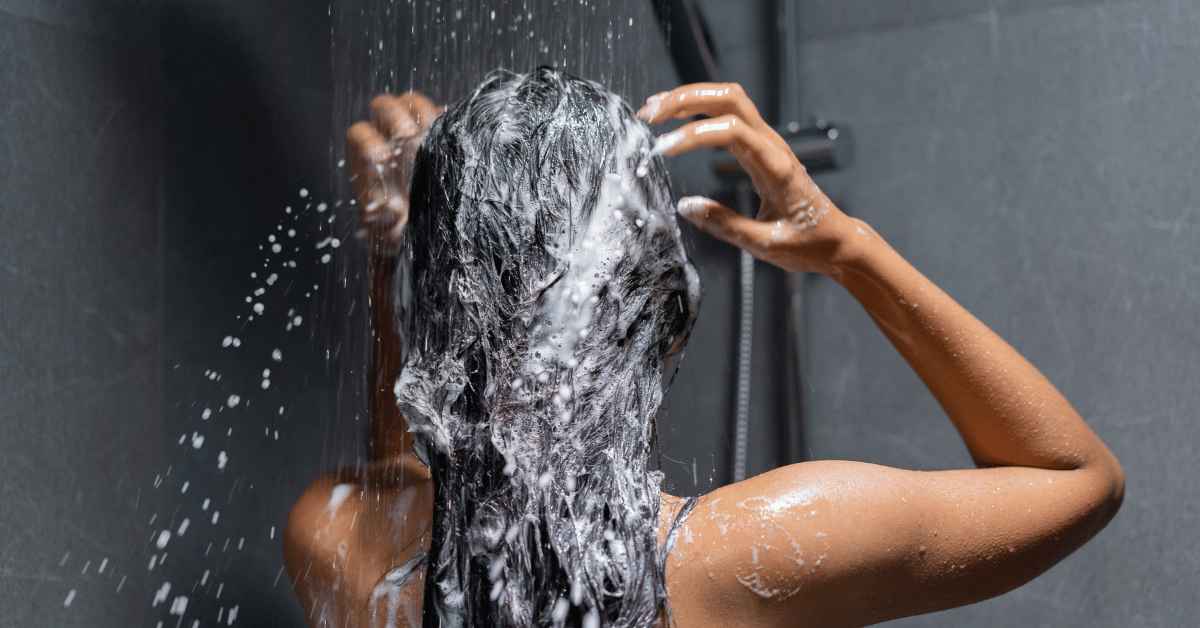

Balancing Act: The Best Shampoo for Greasy Scalp and Dry Ends in India
Struggling with a greasy scalp and dry ends can feel like a never-ending battle. You want your hair to look fresh and clean, but at the same time, you don’t want to strip away the moisture from your hair’s delicate ends. Fortunately, the right shampoo helps you strike the perfect balance. In this article, we will explore the challenges of managing a greasy scalp and dry ends, and more importantly, we’ll guide you through the best shampoos available in India to address this hair care dilemma. Say goodbye to the grease and hello to nourished, beautiful locks!
The Greasy Scalp and Dry Ends Conundrum
A greasy scalp and dry ends are often caused by an imbalance in your scalp’s oil production. We’ll dive into the reasons behind this common hair issue and discuss how it affects the overall health and appearance of your hair.
The Role of the Right Shampoo
Choosing the right shampoo is paramount in managing greasy scalps and dry ends. We’ll discuss the key ingredients and qualities to look for in a shampoo designed for this specific hair type.
Tips for Managing Greasy Scalp and Dry Ends
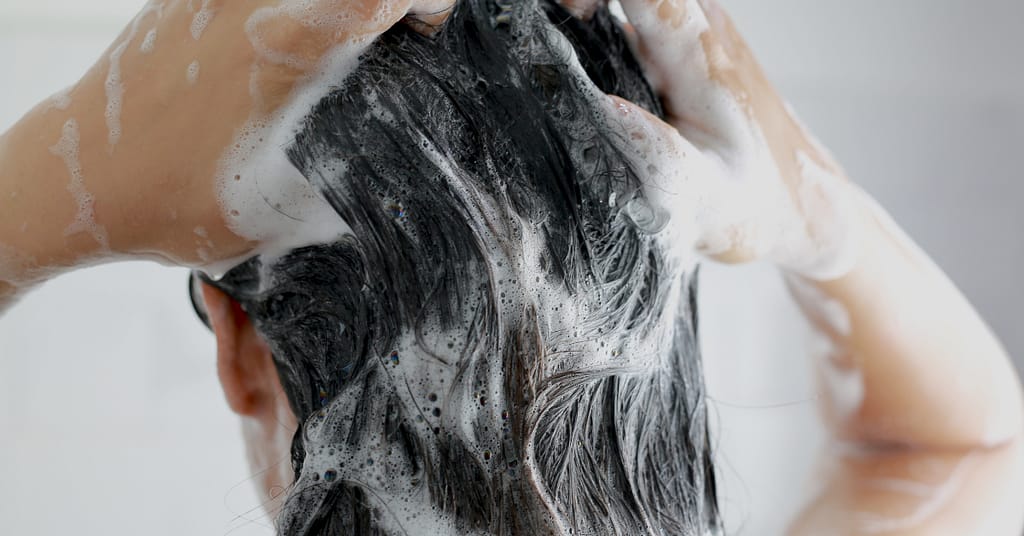
When dealing with the challenge of a greasy scalp and dry ends, a well-rounded hair care routine is key. Here are some practical tips to help you manage this hair type effectively:
- Proper Hair Washing Technique:
- Use lukewarm water to wash your hair, as hot water can strip away natural oils from your scalp.
- Apply shampoo primarily to the scalp, gently massaging it in with your fingertips. Avoid harsh scrubbing, which can stimulate excess oil production.
- Let the shampoo sit for a minute before rinsing to allow it to cleanse the scalp thoroughly.
- When rinsing, let the shampoo flow through the lengths of your hair to clean the ends without over-drying them.
- Choose the Right Shampoo and Conditioner:
- Opt for a shampoo formulated for oily scalps and dry ends. Look for keywords like “balancing” or “hydrating” on the product label.
- Condition your hair after shampooing, focusing on the ends. Avoid applying conditioner directly to the scalp, as this can make it greasier.
- Balancing Hair Care Products:
- Use a lightweight, leave-in conditioner or hair serum on the ends to keep them moisturized without weighing them down.
- Consider a weekly deep conditioning treatment to nourish dry ends. Apply the treatment from mid-length to the tips and leave it on for the recommended time.
- Avoid Overwashing:
- Washing your hair too frequently can strip away natural oils from both the scalp and ends. Aim for washing every 2–3 days or as needed.
- Embrace Dry Shampoo:
- Dry shampoo is your best friend for those in-between-wash days. It helps absorb excess oil at the scalp without drying out the ends.
- Gentle Towel Drying:
- After washing, gently pat your hair dry with a soft towel. Avoid vigorous rubbing, as this can cause frizz and damage to the ends.
- Protective Hairstyles:
- When sleeping, loosely braid your hair or use a silk or satin pillowcase to reduce friction and prevent breakage at the ends.
- Heat Styling Caution:
- Limit the use of heat styling tools like straighteners and curling irons, as they can contribute to dryness and damage at the ends. When using heat, apply a heat-protectant spray.
- Regular Trims:
- Schedule regular trims every 6-8 weeks to remove split ends and maintain the health of your hair.
- Balanced Diet and Hydration:
- A well-balanced diet rich in vitamins and minerals, along with proper hydration, can contribute to the overall health of your hair.
By incorporating these tips into your hair care routine, you can strike a harmonious balance between a grease-free scalp and nourished ends, leaving you with healthy and beautiful hair. Remember that consistency is key, and it may take some time to find the perfect routine that works for your specific hair type.
DIY Remedies for Greasy Scalp and Dry Ends
If you’re a fan of natural solutions for your hair care concerns, these DIY remedies can be a game-changer for managing a greasy scalp and dry ends. These homemade treatments are simple to prepare and can provide the nourishment your hair needs. Remember to do a patch test before using any new ingredient to ensure you don’t have any adverse reactions.
- Aloe Vera and Honey Mask:
- Mix 2 tablespoons of fresh aloe vera gel with 1 tablespoon of honey.
- Apply the mixture to your scalp and hair, focusing on the ends.
- Leave it on for 20-30 minutes before rinsing with lukewarm water.
- Aloe vera helps balance oil production, while honey provides moisture to dry ends.
- Avocado and Olive Oil Hair Mask:
- Mash half of a ripe avocado and mix it with 2 tablespoons of olive oil.
- Apply the mask to damp hair, concentrating on the ends.
- Cover your hair with a shower cap and leave it on for 30-45 minutes.
- Rinse thoroughly with shampoo and conditioner.
- Avocado nourishes dry ends, and olive oil adds shine without making the scalp greasy.
- Yogurt and Lemon Mask:
- Combine 1/2 cup of plain yogurt with the juice of half a lemon.
- Apply the mixture to your scalp and hair.
- Leave it on for 15-20 minutes before washing with a mild shampoo.
- Yogurt helps control excess oil, while lemon brightens and clarifies the scalp.
- Banana and Coconut Milk Mask:
- Blend one ripe banana with 1/4 cup of coconut milk until smooth.
- Apply the mask to your hair, paying extra attention to the ends.
- Leave it on for 30-45 minutes before rinsing with lukewarm water.
- Banana adds moisture to dry ends, while coconut milk nourishes the scalp.
- Green Tea Rinse:
- Brew a cup of green tea and let it cool.
- After shampooing, pour the green tea over your hair as a final rinse.
- Gently massage your scalp for a few minutes before rinsing with cold water.
- Green tea helps control oiliness at the scalp and adds shine to the hair.
- Apple Cider Vinegar Rinse:
- Mix 1 part apple cider vinegar with 3 parts water.
- After shampooing, pour the diluted apple cider vinegar over your hair.
- Leave it on for a few minutes, then rinse thoroughly.
- Apple cider vinegar helps balance the scalp’s pH and remove residue, leaving hair refreshed.
Incorporate these DIY treatments into your hair care routine as needed. You can adjust the frequency based on your hair’s condition and needs. These natural remedies can complement your regular shampoo and conditioner, providing a holistic approach to managing a greasy scalp and dry ends.

Summing up!
Finding the right shampoo for a greasy scalp and dry ends doesn’t have to be a challenge. With the right products and proper hair care practices, you can achieve the perfect balance and enjoy healthy, beautiful hair. Explore the recommended shampoos, implement the tips, and consider the natural remedies to transform your hair care routine. Say hello to fresh, nourished, and gorgeous locks every day.
FAQs:
- What causes excess oil production on the scalp?
Answer: Excess oil production on the scalp, leading to a greasy scalp, can be caused by various factors, including hormonal imbalances, genetics, overwashing the hair (which strips away natural oils, causing the scalp to compensate by producing more oil), and using harsh or improper hair care products. Additionally, dietary factors and stress can also contribute to oily scalps. - Can I use a regular shampoo for this hair type?
Answer: While you can use a regular shampoo, it’s advisable to choose a shampoo specifically designed for greasy scalp and dry ends. These shampoos are formulated to address both concerns simultaneously, helping to balance oil production at the scalp while providing moisture to the ends. They often contain specific ingredients that cater to this unique hair type. - Is it necessary to use conditioner if I have dry ends?
Answer: Yes, using conditioner is essential, even if you have dry ends. Conditioners help in nourishing and hydrating the dry ends of your hair, making them more manageable, softer, and less prone to breakage. However, it’s crucial to apply conditioner mainly to the ends and avoid applying it directly to the scalp to prevent making it greasier. - How often should I wash my hair if I have a greasy scalp and dry ends?
Answer: The frequency of hair washing can vary from person to person, but for those with a greasy scalp and dry ends, it’s generally recommended to wash your hair every 2–3 days. Overwashing can strip away natural oils and exacerbate dryness at the ends, so finding the right balance is crucial. - Can natural remedies effectively address a greasy scalp and dry ends?
Answer: Yes, natural remedies can be effective in managing a greasy scalp and dry ends. For example, DIY hair masks using ingredients like aloe vera, honey, and essential oils help balance oil production at the scalp while moisturizing the ends. However, the results may vary from person to person, and it’s essential to be consistent with these remedies for noticeable improvements. Additionally, incorporating natural remedies into your hair care routine can be a complement to using the right shampoo and conditioner for your specific hair type.