
Natural Healing with Herbs: Science and Tradition
Introduction to Herbal Healing
For thousands of years, humans have turned to plants for healing. Long before modern medicine developed synthetic drugs, herbs were the foundation of healthcare across cultures. From ancient rituals to household remedies, herbal medicine has played a vital role in maintaining health and treating illness.
Today, as people seek more natural and holistic approaches to wellness, herbal healing is experiencing a resurgence. However, modern users are not just relying on tradition—they are also looking for scientific validation. This intersection of ancient wisdom and modern research creates a powerful framework for understanding how herbs can support health.
The Historical Roots of Herbal Medicine
Herbal healing is deeply rooted in cultural traditions around the world. Different civilizations developed their own systems based on local plants and philosophies.
One of the oldest systems is Ayurveda, which emphasizes balance between body, mind, and environment. It uses herbs, diet, and lifestyle practices to maintain harmony.
Similarly, Traditional Chinese Medicine integrates herbs with acupuncture and energy balance concepts to restore health.
In ancient Egypt and Greece, herbs were also widely used. Physicians like Hippocrates documented the medicinal use of plants and laid the groundwork for modern medical thinking.
These traditions demonstrate that herbal medicine is not a recent trend but a time-tested practice.
Understanding How Herbs Work in the Body
Herbs are not just simple remedies—they are complex natural compounds containing multiple active ingredients. These compounds interact with the body in various ways.
Unlike synthetic drugs that often target a single pathway, herbs tend to work holistically. They may:
- Support immune function
- Reduce inflammation
- Balance hormones
- Aid digestion
- Promote relaxation
For example, some herbs contain antioxidants that protect cells from damage, while others influence neurotransmitters or hormonal activity.
This multi-target approach is one reason herbal medicine is considered holistic.
The Science Behind Herbal Healing
Modern science has begun to validate many traditional uses of herbs. Through research in fields like Phytochemistry and Pharmacology, scientists analyze the active compounds in plants and their effects on the body.
Key scientific findings include:
- Identification of bioactive compounds such as alkaloids, flavonoids, and terpenes
- Evidence of anti-inflammatory and antioxidant properties
- Clinical studies supporting certain herbal treatments
For instance, compounds found in turmeric have been studied for their anti-inflammatory effects, while others are researched for immune support.
However, it is important to note that not all traditional claims are fully proven, and research is still ongoing.
Key Differences Between Herbal and Modern Medicine
Understanding the distinction between herbal and conventional medicine helps in making informed choices.
Herbal Medicine
- Focuses on whole-plant use
- Works gradually and holistically
- Often has fewer side effects when used correctly
- Emphasizes prevention and balance
Modern Medicine
- Uses isolated compounds or synthetic drugs
- Acts quickly on specific symptoms
- Highly effective for acute and emergency conditions
- Backed by extensive clinical trials
Both systems have strengths, and they can complement each other when used responsibly.’
Popular Healing Herbs and Their Traditional Uses
Many herbs have gained global recognition for their health benefits. Some widely used examples include:
Turmeric
Known for its anti-inflammatory properties and widely used in traditional healing systems.
Ginger
Commonly used to support digestion and reduce nausea.
Tulsi (Holy Basil)
Valued for its stress-relieving and immune-supporting properties.
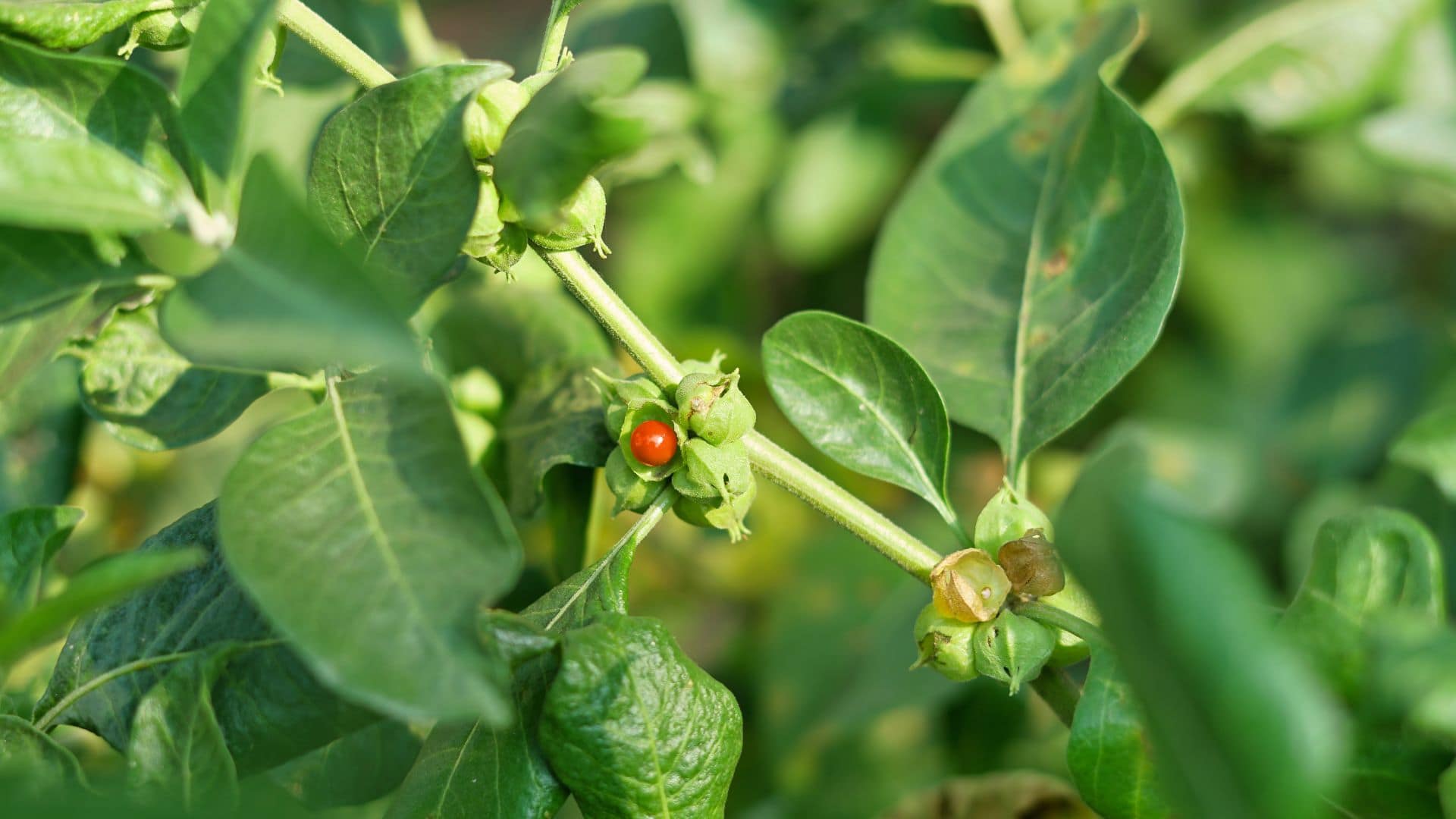
Ashwagandha
Often used to help the body manage stress and improve energy levels.
These herbs have been used for generations and are now being studied scientifically for their potential benefits.
The Role of Herbal Medicine in Modern Wellness
In today’s fast-paced world, many people are turning to natural remedies to support overall health. Herbal medicine is often used for:
- Stress management
- Digestive health
- Immune support
- Skin care
- Hormonal balance
It is especially popular among individuals looking for preventive care rather than just symptom-based treatment.
Safety and Responsible Use of Herbs
While herbs are natural, they are not automatically safe in all situations. Responsible use is essential.
Important considerations include:
- Proper dosage
- Quality and source of herbs
- Possible interactions with medications
- Individual health conditions
Consulting a healthcare professional before starting herbal remedies is always recommended, especially for pregnant women, individuals with chronic conditions, or those taking medications.
The Growing Popularity of Herbal Supplements
Herbal supplements are now widely available in the form of capsules, teas, powders, and extracts. This accessibility has made it easier for people to incorporate herbs into their daily routines.
However, not all products are created equal. Quality can vary significantly depending on:
- Manufacturing standards
- Purity of ingredients
- Presence of additives
Choosing trusted brands and certified products is crucial for safety and effectiveness.
Integrating Herbs into Daily Life
Incorporating herbs into your lifestyle does not always require supplements. Many herbs can be included in everyday habits.
Simple ways to use herbs:
- Adding spices like turmeric and ginger to meals
- Drinking herbal teas
- Using natural remedies for minor ailments
- Including fresh herbs in cooking
These small practices can contribute to long-term health benefits.
Challenges in Herbal Medicine Research
Despite growing interest, herbal medicine faces challenges in scientific validation.
These include:
- Variability in plant composition
- Differences in preparation methods
- Limited large-scale clinical trials
Because herbs contain multiple compounds, studying their effects can be more complex than analyzing single-ingredient drugs.
The Balance Between Tradition and Science
The future of herbal medicine lies in combining traditional knowledge with modern research. While tradition provides valuable insights, science helps validate safety and effectiveness.
This balance allows for:
- Better understanding of how herbs work
- Safer and more standardized use
- Integration into modern healthcare systems
It also helps build trust among users and healthcare professionals.
Understanding Different Forms of Herbal Preparations
Herbs can be used in many forms. Each method affects how the body absorbs them. Therefore, choosing the right form is important for better results.
Herbal Teas (Infusions and Decoctions)
First, herbal teas are simple and widely used. Infusions work well for leaves and flowers. In contrast, decoctions are better for roots and bark because they require longer boiling.
Powders
Next, powdered herbs are easy to mix with food or drinks. This method is commonly used in Ayurveda. As a result, it allows regular and convenient use.
Tinctures
In addition, tinctures are concentrated liquid extracts. They absorb quickly into the body. Therefore, they are often used in small amounts.
Capsules and Tablets
Moreover, capsules offer convenience and accurate dosage. This makes them suitable for people with busy lifestyles.
Oils and Pastes
Finally, herbal oils and pastes are used externally. They support skin health and relaxation through massage or application.
How to Choose the Right Herbs for Your Needs
Choosing the right herbs is essential. However, not every herb works the same for everyone.
First, consider your health condition. Then, think about your body type and sensitivity. Also, define your goal clearly, such as stress relief or better digestion.
For example, calming herbs may help reduce stress. On the other hand, digestive herbs improve gut function. Therefore, a personalized approach gives better results.
Herbal Remedies for Common Health Concerns
Herbs are often used for daily health support. In addition, they are helpful for mild conditions.
Stress and Anxiety Support
Nowadays, stress is very common. Therefore, herbs like ashwagandha and tulsi are used to promote calmness. As a result, they may improve emotional balance.
Digestive Health
Similarly, digestion problems can affect daily life. Herbs like ginger and fennel help reduce bloating and improve digestion.
Immune Support
Furthermore, herbs rich in antioxidants support immunity. For instance, turmeric is widely used for its protective effects.
Sleep and Relaxation
In the same way, sleep is important for health. Herbs like chamomile help promote better sleep and relaxation.
The Role of Active Compounds in Herbs
Herbs contain natural compounds that support healing. These include alkaloids, flavonoids, and terpenes.
In fact, these compounds affect how the body functions. For example, some reduce inflammation, while others support immunity.
This area is studied under Phytochemistry. Therefore, science helps explain traditional uses of herbs.
Synergy: Why Whole Herbs Matter
One key concept in herbal healing is synergy. This means different compounds in a plant work together.
As a result:
- The effect becomes more balanced
- Side effects may reduce
- Multiple body systems get support
Therefore, whole herbs are often preferred over isolated compounds.
Dosage and Timing in Herbal Use
Using the right dosage is very important. Otherwise, results may not be effective.
First, start with a small amount. Then, increase gradually if needed. Also, follow recommended guidelines.
Timing matters as well. For example:
- Some herbs work best on an empty stomach
- Others are better after meals or before sleep
Therefore, correct timing improves effectiveness.
Combining Herbs with Modern Treatments
Herbs can work alongside modern medicine. However, careful use is necessary.
For instance:
- Some herbs may interact with medicines
- Others may reduce or increase effects
Therefore, always inform your doctor about herbal use. This ensures safety and better outcomes.
Quality and Sourcing of Herbal Products
Not all herbal products are the same. In fact, quality plays a major role in effectiveness.
Important factors include:
- Purity of ingredients
- Proper processing
- Safe storage
- Trusted sourcing
Therefore, always choose reliable and certified products.
Herbal Healing for Preventive Care
One major benefit of herbs is prevention. Instead of treating illness later, they help maintain health.
For example:
- They strengthen immunity
- Improve digestion
- Support energy levels
- Enhance mental clarity
As a result, regular use can reduce future health risks.
Cultural Wisdom in Herbal Practices
Traditional systems provide valuable knowledge. For example, Traditional Chinese Medicine focuses on energy balance.
Similarly, Ayurveda emphasizes body constitution and lifestyle. Therefore, combining tradition with science gives better understanding.
Common Misconceptions About Herbal Medicine
There are many myths about herbs. However, it is important to understand the truth.
“Natural means completely safe”
In reality, some herbs can cause side effects if misused.
“Herbs work instantly”
In most cases, herbs work slowly and need consistency.
“More is better”
On the contrary, excessive use can be harmful.
Therefore, proper knowledge is essential.
The Importance of Professional Guidance
Although herbs are easily available, expert advice is helpful.
A professional can:
- Suggest suitable herbs
- Decide correct dosage
- Prevent interactions
- Monitor progress
Therefore, guidance ensures safe and effective use.
Building a Herbal Wellness Routine
Finally, consistency is the key to success.
A simple routine may include:
- Drinking herbal tea daily
- Adding herbs to meals
- Using calming herbs at night
- Maintaining a healthy lifestyle
As a result, small habits can lead to long-term benefits.
Safety Guidelines for Using Herbs
Although herbs are natural, they must be used carefully. Therefore, understanding safety guidelines is essential for effective and risk-free use.
First, always use the correct dosage. Taking too much can lead to unwanted effects. In addition, avoid mixing multiple herbs without proper knowledge.
Moreover, certain groups should be extra cautious. For example:
- Pregnant or breastfeeding women
- People with chronic illnesses
- Individuals taking prescription medications
In such cases, consulting a professional is highly recommended.
Possible Side Effects and Interactions
Even though herbs are generally gentle, they can still cause side effects in some situations.
For instance:
- Some herbs may cause allergies
- Others may affect blood pressure or digestion
- Certain herbs may interact with medications
Therefore, it is important to observe how your body responds. If any unusual symptoms appear, stop use and seek medical advice.
Standardization and Modern Research
One major challenge in herbal medicine is consistency. Unlike synthetic drugs, herbs can vary in strength depending on how they are grown and processed.
However, modern science is improving this through standardization. This ensures:
- Consistent quality
- Measured active compounds
- Safer usage
Fields like Pharmacology help researchers understand how herbal compounds behave in the body.
As a result, herbal medicine is becoming more reliable and widely accepted.
Integrating Herbs into Modern Lifestyle
Today, herbal healing is easier to include in daily life. However, consistency and simplicity are key.
For example:
- Start your day with herbal tea
- Add natural spices like turmeric and ginger to meals
- Use calming herbs in the evening
- Maintain a balanced diet and routine
In addition, combining herbs with healthy habits enhances their effectiveness.
Herbs and Preventive Healthcare
Herbal medicine is not only for treatment. In fact, it plays a strong role in prevention.
Regular use of mild herbs can:
- Strengthen the immune system
- Improve digestion
- Support mental clarity
- Increase overall vitality
Therefore, herbs can be part of a long-term wellness strategy rather than a short-term solution.
Ethical and Sustainable Use of Herbs
As demand for herbs grows, sustainability becomes important. Overharvesting and poor farming practices can harm the environment.
Therefore, it is better to:
- Choose sustainably sourced herbs
- Support ethical farming practices
- Avoid endangered plant species
In this way, herbal healing can remain available for future generations.
The Future of Herbal Medicine
The future of herbal healing lies in combining tradition with science. On one hand, traditional knowledge provides valuable insights. On the other hand, scientific research ensures safety and effectiveness.
As research continues:
- More herbs will be scientifically validated
- Better formulations will be developed
- Integration with modern healthcare will improve
Thus, herbal medicine is likely to become a stronger part of global health systems.
Practical Tips for Beginners
If you are new to herbal healing, it is best to start simple.
First, choose one or two herbs based on your needs. Then, use them consistently in small amounts.
Also, keep the following tips in mind:
- Buy from trusted sources
- Follow recommended dosages
- Be patient and observe results
- Avoid mixing too many herbs at once
Gradually, you can build a routine that suits your body.
Final Thoughts
Natural healing with herbs offers a balanced approach to health. It combines the wisdom of traditional systems with the support of modern science.
Although herbs are powerful, they work best when used with care and consistency. Therefore, understanding your body and making informed choices is essential.
FAQs:
Natural healing is a holistic approach that uses herbs and plant-based remedies to support the body’s ability to heal itself. It combines traditional knowledge with modern understanding for overall wellness.
Natural healing is generally safe when used correctly. However, some herbs may not suit everyone. Therefore, it is important to consult a professional before starting natural healing, especially if you have medical conditions.
Natural healing works gradually. In most cases, consistent use over time is needed to see noticeable improvements, as it focuses on long-term balance rather than quick fixes.
Natural healing can support overall health and help with mild conditions. However, it should not completely replace modern medicine for serious illnesses. A combined approach is often more effective.
Natural healing usually has fewer side effects compared to synthetic treatments. Still, improper use or high doses can cause issues. Therefore, proper guidance is essential.