Nourish and Renew: The Ultimate Guide to Lip Balms for Chapped and Dark Lips
Your lips, one of your most expressive features, often bear the brunt of environmental stressors and lifestyle choices. Chapped and darkened lips can be uncomfortable, unattractive, and, at times, even painful. Thankfully, the solution lies in a small but mighty product: lip balm. In this comprehensive guide, we will explore the causes of chapped and dark lips, why lip balms are essential, and how to choose the right one to restore the natural softness and color of your lips. Let’s embark on a journey to achieve supple, rosy lips that are both healthy and beautiful.
Causes of Chapped and Dark Lips:
The darkening and chapping of your lips can be attributed to a variety of factors, with each playing a distinct role in affecting the natural softness and color of your lips. Here’s a closer look at these contributing factors:
- Dehydration: One of the most common reasons for lip issues is dehydration. Inadequate water intake affects your entire body, including your lips. When you don’t drink enough water, your lips become dry and parched. Proper hydration is essential to maintain your lips’ natural softness and color.
- Sun Exposure: The skin on your lips is delicate and lacks the protective melanin that other parts of your skin have. This makes your lips highly susceptible to sun-induced pigmentation. Prolonged exposure to harmful UV rays can lead to the darkening of your lips. To prevent this, it’s crucial to use lip balms with SPF and shield your lips from the sun.
- Lip Licking: While it might seem like a quick solution, habitual lip licking can worsen the condition of your lips. Saliva evaporates quickly, leaving your lips even drier than before. This repeated moisture loss can make your lips prone to chapping and darkening.
- Smoking: Smoking tobacco products is known to be one of the culprits behind the staining and darkening of the lips over time. The chemicals in tobacco can lead to pigmentation changes, affecting the natural color of your lips.
- Caffeine and Certain Medications: Excessive caffeine consumption and the use of specific medications can contribute to lip darkening. The reasons behind these changes vary, but in both cases, your lips can undergo pigmentation shifts as a result.
- Genetics: Genetics play a significant role in determining the color of your lips. Some individuals may naturally have genetically darker lips, which is not a cause for concern. However, even if your lips are genetically dark, they can still benefit from proper lip care. The right lip care routine helps moisturize and improve the appearance of genetically darker lips.
Now that we understand why lips can become dark and chapped, it’s time to explore the various strategies and products available to restore your lips to their natural softness and color. Lip balms, in particular, are essential in this journey, and they offer multiple benefits for lip health and beauty.
Now that we’ve examined the causes of chapped and dark lips, it’s time to understand why lip balm is a crucial part of your lip care routine.
The Importance of Lip Balm:
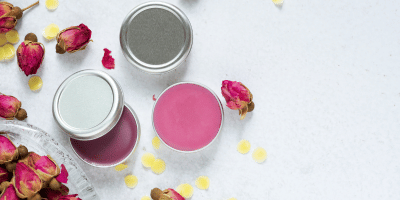
Lip balm, often referred to as lip salve or lip ointment, is a waxy or oily substance that helps moisturize, soothe, and protect your lips. It forms a protective barrier that locks in moisture and shields your lips from external factors that can cause dryness and darkening. Here’s why lip balm is essential:
- Hydration: One of the primary functions of lip balm is to hydrate your lips. Lip balms typically contain moisturizing ingredients like oils (coconut, almond, jojoba, etc.), butters (shea, cocoa, mango, etc.), and waxes. These components work together to create a protective seal, locking in moisture and preventing dryness and chapping. By delivering deep hydration, lip balms keep your lips soft, smooth, and well-nourished.
- Protection: Lip balm acts as a protective barrier between your lips and external elements that can lead to darkening and damage. Whether it’s harsh weather, strong winds, or harmful UV radiation from the sun, lip balm creates a shield that minimizes the impact of these factors on your lips. This protection is vital for maintaining the natural color and health of your lips.
- Soothing: Many lip balms include soothing ingredients like aloe vera, chamomile, or calendula. These components provide relief from the discomfort and pain associated with chapped or cracked lips. The soothing properties of these ingredients help alleviate any irritation, redness, or inflammation that may result from dry or damaged lips.
- Restoration: Regular use of lip balm can play a significant role in restoring the natural color of your lips. By preventing further darkening and addressing the causes of lip pigmentation changes, lip balm promotes a healthier and rosier lip tone. Over time, your lips can gradually regain their lost vibrancy.
- Ease of Application: Lip balm is incredibly easy to apply, making it a quick and hassle-free solution for chapped and dark lips. You can use it anytime, anywhere, without the need for any specialized tools or lengthy routines. Whether you’re at home, in the office, or on the go, lip balm provides instant relief and protection for your lips.
With an understanding of how lip balms work and their multiple benefits for lip health and beauty, let’s explore the features to look for when selecting the right lip balm for your specific needs, whether it’s addressing chapped, dark, or generally dry lips.
Now that you understand the significance of lip balm, let’s explore the various types and ingredients to look for in lip balms that will help you regain the softness and natural color of your lips.
Choosing the Right Lip Balm:
With a plethora of lip balms available on the market, choosing the right one can be a bit overwhelming. To make an informed decision, consider the following factors:
- Ingredients: Opt for a lip balm that contains natural, hydrating ingredients like beeswax, shea butter, cocoa butter, and plant-based oils (coconut oil, jojoba oil, or almond oil). These ingredients provide deep moisturization and protection.
- SPF Content: If you spend time outdoors, choose a lip balm with SPF (sun protection factor). UV rays can cause lip darkening, so protecting your lips from the sun is crucial.
- Fragrance and Flavor: Many lip balms come in various scents and flavors. Pick one that you find pleasant, as it can make your lip care routine more enjoyable.
- Hypoallergenic: If you have sensitive skin, it’s advisable to opt for a hypoallergenic or fragrance-free lip balm to minimize the risk of irritation.
- Tinted or Untinted: Some lip balms come with a hint of color, offering a subtle tint to your lips. Choose between tinted and untinted lip balms based on your preference.
- Long-Lasting: Look for lip balms that provide long-lasting hydration and protection. You don’t want to be constantly reapplying throughout the day.
With these factors in mind, you’re now equipped to choose the perfect lip balm to address your chapped and dark lips. But your lip care routine doesn’t stop with lip balm alone.
A Comprehensive Lip Care Routine:
Combatting chapped and dark lips requires a consistent lip care routine. To effectively address these concerns and maintain the health and natural color of your lips, consider incorporating the following steps into your daily regimen:
- Exfoliation: Exfoliate your lips gently once or twice a week to remove dead skin cells. This process helps to reveal the fresh, new skin underneath. You can use a soft toothbrush with gentle circular motions, create a homemade sugar scrub, or choose a lip exfoliating product. Exfoliating your lips enhances the effectiveness of lip balm and other lip care products.
- Hydration: Adequate hydration is essential for preventing dry and parched lips. Ensure you drink plenty of water throughout the day to keep your body and lips well-hydrated. Proper internal hydration reflects positively on the external health of your lips.
- Lip Balm Application: Choose a high-quality lip balm that suits your specific needs, whether it’s addressing chapped, dark, or generally dry lips. Apply your chosen lip balm regularly throughout the day. Don’t forget to reapply after meals or exposure to the elements. The consistent use of lip balm is crucial for maintaining lip health and promoting a rosy, natural lip color.
- Sun Protection: If you anticipate spending time outdoors, especially in sunny weather, don’t forget to provide sun protection for your lips. Look for a lip balm that contains SPF (Sun Protection Factor) or consider applying sunscreen specifically designed for lips. This extra layer of defense shields your lips from harmful UV rays, preventing them from darkening due to sun exposure.
- Balanced Diet: Your diet plays a significant role in supporting the overall health of your skin, including your lips. Consume a balanced diet rich in vitamins and nutrients that contribute to skin health. Fruits, vegetables, and nuts are excellent choices. Foods high in vitamins A, C, and E, as well as essential fatty acids, help maintain the natural color and softness of your lips.
- Avoid Lip Licking: Break the habit of frequent lip licking, as saliva can exacerbate lip dryness. While licking your lips might provide temporary relief, it leads to increased dryness once the saliva evaporates. Using lip balm instead is a healthier and more effective solution for maintaining lip moisture.
- Quit Smoking: If you’re a smoker, consider quitting this habit. Smoking tobacco products can lead to staining and darkening of the lips over time. Quitting smoking not only benefits your overall health but also prevents further damage and darkening of your lips. It’s a positive step toward achieving naturally vibrant and healthy lips.
By following these steps and incorporating them into your daily lip care routine, you can effectively combat chapped and dark lips, restoring them to their natural, rosy beauty. Also, consistent lip care helps maintain softness, hydration, and overall lip health, ensuring that your smile remains as captivating as ever. By implementing these steps, you can achieve lips that are not only free from chapping and darkening but also naturally soft, rosy, and healthy.
Summing Up!
Chapped and dark lips can be uncomfortable and affect your self-confidence. However, with the right lip balm and a comprehensive lip care routine, you can restore the natural softness and color of your lips. Remember to stay hydrated, protect your lips from the sun, and choose a lip balm that contains hydrating and protective ingredients. Your lips deserve the best care, and by following these guidelines, you can achieve lips that are not only healthy but also naturally beautiful and radiant. Say goodbye to chapped and dark lips and embrace the confidence of having soft, rosy lips every day.
FAQs:
Q1: What causes dark lips, and can lip balm help lighten them?
A1: Dark lips can result from various factors such as sun exposure, smoking, dehydration, and genetics. While lip balm primarily provides hydration and protection, certain lip balms may contain ingredients that help lighten lips over time. Look for lip balms with natural skin-lightening components like lemon extract or licorice.
Q2: How often should I apply lip balm for chapped lips?
A2: For chapped lips, apply lip balm frequently throughout the day, especially when you feel your lips are dry or exposed to harsh conditions. A good rule of thumb is to reapply every 2-4 hours. Before bedtime is also an excellent time for intensive lip balm application to help repair and hydrate your lips overnight.
Q3: Can I use any lip balm for chapped lips, or are there specific types I should look for?
A3: While many lip balms provide essential moisture, for chapped lips, it’s beneficial to choose a lip balm with extra hydrating and repairing properties. Look for ingredients like shea butter, beeswax, and natural oils such as coconut or jojoba. These ingredients provide deep hydration and protection for chapped lips.
Q4: Is SPF in lip balm necessary for sun protection?
A4: While not all lip balms have SPF, it’s a valuable addition, especially if you spend time outdoors. UV radiation from the sun can damage your lips and cause darkening. A lip balm with SPF helps shield your lips from harmful UV rays, preventing them from darkening due to sun exposure.
Q5: Can lip balm help with other lip concerns, like cold sores or peeling lips?
A5: Yes, lip balm can be beneficial for other lip concerns as well. For cold sores, lip balms with ingredients like lysine or lemon balm help soothe and heal. Also, the hydrating and protective properties of lip balm can prevent and alleviate peeling or flaking of the lips.
Q6: Are there any side effects of using lip balm regularly?
A6: When used appropriately, lip balm typically does not have significant side effects. However, some people may experience sensitivity or an allergic reaction to certain ingredients. It’s essential to choose a lip balm with ingredients that work well for your skin and to perform a patch test if you’re trying a new product.
Q7: Can I make my lip balm at home using natural ingredients?
A7: Yes, you can create homemade lip balms using natural ingredients like beeswax, shea butter, and essential oils. Homemade lip balms are a great way to customize your lip care and ensure you’re using pure and natural components. However, always follow a trusted recipe and maintain proper hygiene during preparation.
Q8: Is it possible to lighten dark lips naturally without using lip balm?
A8: Yes, you can lighten dark lips naturally by staying hydrated, avoiding excessive sun exposure, quitting smoking, and maintaining a healthy diet. Lemon juice, beetroot, and pomegranate seeds are some natural remedies you can apply directly to your lips. These practices, combined with the use of a suitable lip balm, can be effective for naturally lightening dark lips.