Chemical Peels: Benefits, Types & Results Explained
Chemical peels are among the most popular skincare treatments today. They help improve skin texture, tone, and overall appearance. Many people choose this treatment to deal with acne scars, pigmentation, dullness, and early signs of aging. Because of modern techniques, chemical peels are now safer and more suitable for different skin types.
In simple terms, a chemical peel removes the top layer of damaged skin. As a result, fresh and healthier skin appears underneath. Moreover, the process also supports natural skin renewal, which improves long-term results.
Book your consultation for personalized chemical peel treatment
What Are Chemical Peels?
A chemical peel is a skin treatment that uses a special solution to exfoliate the skin. This solution breaks down dead skin cells, so they can shed easily. As new skin replaces the old layer, the surface becomes smoother and brighter.
In addition, professionals adjust the strength of the peel based on your skin needs. Therefore, the treatment can target both mild and deeper skin concerns.
How Chemical Peels Work
Chemical peels speed up the skin’s natural renewal process. First, the solution loosens the bonds between dead skin cells. Then, the outer layer starts to peel off. After that, the body produces new skin cells and boosts collagen production.
As a result, the skin looks fresher, smoother, and more even. At the same time, deeper peels can improve scars and wrinkles by working below the surface.
Key Benefits of Chemical Peels
Chemical peels offer several benefits. Because of this, they suit a wide range of skin concerns.
Smoother Skin Texture
Chemical peels remove rough and uneven layers. As a result, the skin feels softer and looks more refined.
Brighter Complexion
Dead skin often makes the face look dull. However, after a peel, the new layer appears more radiant and healthy.
Reduced Acne and Breakouts
Chemical peels clean clogged pores and reduce excess oil. Therefore, they help control acne and prevent future breakouts.
Even Skin Tone
Dark spots, sun damage, and pigmentation often fade with regular treatments. In addition, the skin tone becomes more balanced over time.
Anti-Aging Support
Chemical peels stimulate collagen production. Because of this, fine lines and wrinkles become less visible, and the skin looks firmer.
Types of Chemical Peels
Chemical peels come in different strengths. Each type works for specific skin concerns.
Superficial Peels
Superficial peels work on the top layer of the skin. Therefore, they offer gentle exfoliation with minimal downtime.
Common Ingredients
- Glycolic acid
- Lactic acid
- Mild fruit acids
Benefits
- Light skin refresh
- Improved glow
- Quick recovery
Because they are mild, beginners often start with this type.
Medium Peels
Medium peels go deeper into the skin. As a result, they provide stronger and more visible improvements.
Common Ingredients
- Trichloroacetic acid (TCA)
- Strong glycolic acid
Benefits
- Reduced pigmentation
- Improved acne scars
- Smoother texture
However, these peels may need a few days of recovery.
Deep Peels
Deep peels reach the lower layers of the skin. Therefore, they treat more serious skin concerns.
Common Ingredients
- Phenol-based solutions
Benefits
- Reduced deep wrinkles
- Improved severe scars
- Strong skin renewal
Because of their intensity, only experienced professionals should perform deep peels.
Choosing the Right Chemical Peel
Choosing the correct peel depends on your skin type and goals. Therefore, you should always consider a few key factors.
Skin Type
Sensitive skin needs gentle peels. On the other hand, stronger skin types can handle deeper treatments.
Skin Concerns
Different peels target different issues. For example:
- Acne responds well to salicylic acid
- Pigmentation improves with glycolic acid
- Aging concerns may need deeper peels
Professional Advice
A skincare expert can assess your skin and suggest the best option. As a result, you reduce risks and get better outcomes.
What Happens During the Procedure
Knowing the steps can help you feel more comfortable.
Skin Preparation
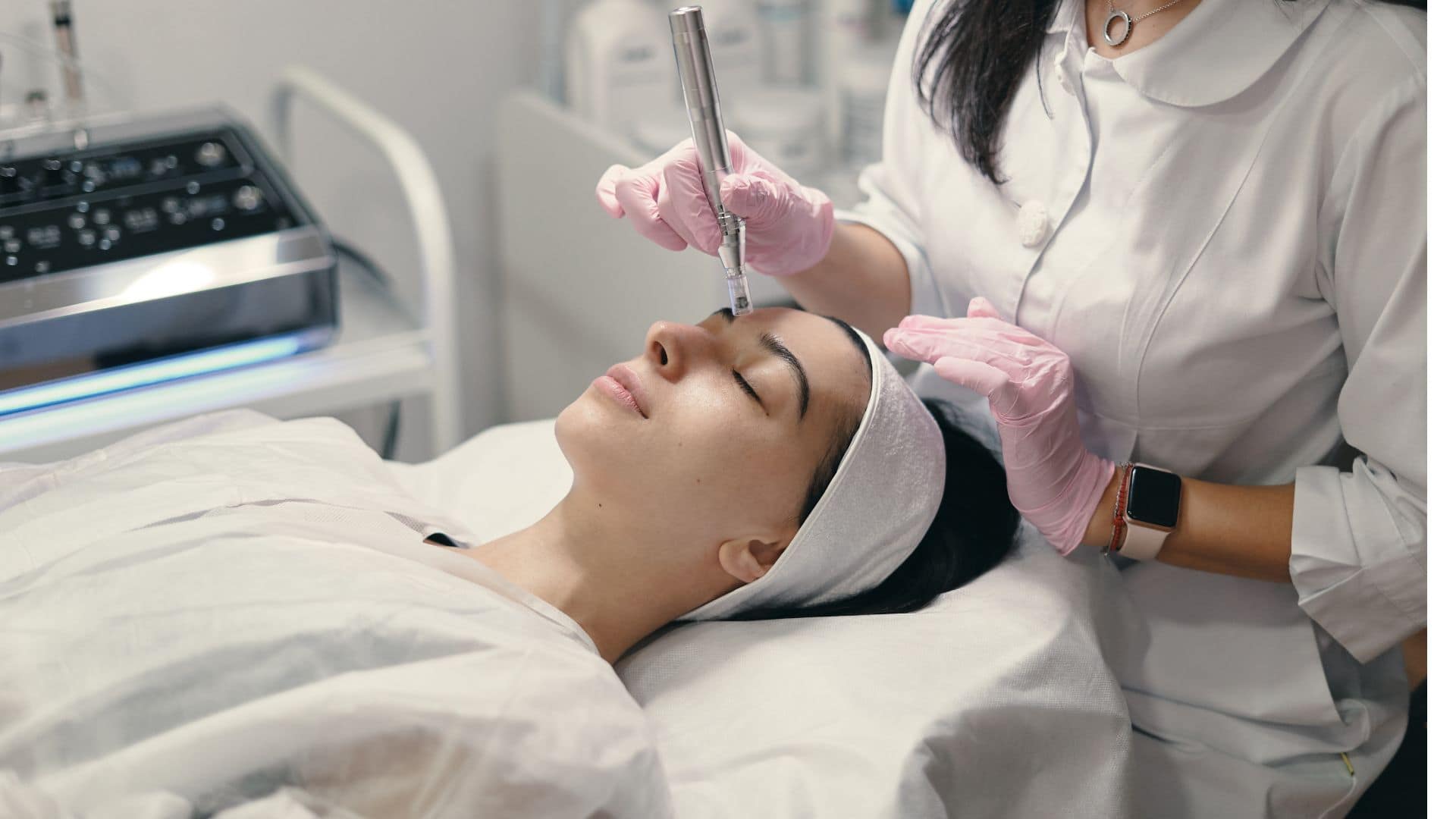
First, the professional cleans your skin to remove oil and dirt.
Application
Next, they apply the chemical solution evenly. You may feel slight tingling or warmth.
Monitoring
The professional watches your skin carefully during the process. Then, they remove or neutralize the solution at the right time.
Immediate Results
After the treatment, your skin may look slightly red. However, this usually settles within a short time.
Basic Aftercare Tips
Aftercare plays an important role in results. Therefore, you should follow simple steps.
Use Sunscreen
Your skin becomes sensitive after a peel. So, daily sun protection is essential.
Keep Skin Hydrated
Moisturizing helps the skin heal faster and reduces dryness.
Avoid Harsh Products
Strong skincare products can irritate the skin. Instead, use gentle products for a few days.
Common Myths About Chemical Peels
Many people avoid chemical peels due to myths. However, most of these are not true.
Myth: Chemical Peels Are Painful
In reality, most peels cause only mild discomfort. In fact, many people find them quite manageable.
Myth: Only for Severe Skin Problems
Chemical peels also work for mild concerns like dullness and uneven tone.
Myth: They Damage the Skin
Chemical peels actually support healthy skin renewal. Therefore, they improve skin quality over time.
Are Chemical Peels Safe?
Chemical peels are safe when trained professionals perform them. They choose the right strength and follow proper techniques. As a result, the risk of side effects remains low.
However, using strong peels at home can cause irritation or burns. Therefore, professional guidance is always recommended.
Who Can Benefit from Chemical Peels?
Many people can benefit from this treatment. For example, chemical peels help improve:
- Acne and oily skin
- Uneven skin tone
- Fine lines
- Sun damage
- Rough texture
A proper consultation helps confirm whether this treatment suits your needs.
How to Prepare for a Chemical Peel
Preparation helps your skin respond better to the treatment. In addition, it reduces the chances of irritation or uneven results.
Follow a Pre-Treatment Skincare Routine
Your skincare expert may suggest a simple routine before the peel. For example, they may recommend gentle cleansers, sunscreen, and mild exfoliants. As a result, your skin becomes more receptive to the treatment.
Avoid Sun Exposure
Too much sun exposure can make your skin sensitive. Therefore, you should limit direct sunlight and use sunscreen daily. This step helps prevent complications during the peel.
Stop Using Strong Products
Products with retinoids, strong acids, or harsh ingredients can irritate the skin. So, it is better to stop using them a few days before the procedure.
Stay Hydrated
Healthy, hydrated skin responds better to treatment. In addition, proper hydration supports faster recovery.
What to Expect Immediately After the Treatment
Right after the peel, your skin may react in several ways. However, these reactions are usually temporary and part of the healing process.
Redness and Sensitivity
Your skin may look slightly red, similar to a mild sunburn. At the same time, you may feel warmth or tightness.
Peeling or Flaking
Within a few days, the skin may start to peel. This process removes damaged layers and reveals fresh skin underneath.
Mild Swelling
Some people experience slight swelling, especially after medium or deep peels. However, this usually settles quickly.
Recovery Timeline
Recovery varies depending on the type of peel. Therefore, knowing the general timeline helps you plan better.
Superficial Peels
Recovery is quick. You may notice mild dryness or flaking for a few days. After that, your skin returns to normal.
Medium Peels
Peeling becomes more noticeable and may last up to a week. During this time, the skin may feel tight and sensitive.
Deep Peels
Recovery takes longer. The skin needs more time to heal, and redness may last for several weeks. Because of this, proper care is essential.
Essential Aftercare Practices
Aftercare directly affects your results. Therefore, following the right steps is important.
Protect Your Skin from the Sun
Sun protection is the most important step. Always apply a broad-spectrum sunscreen and avoid direct sunlight. This helps prevent pigmentation and damage.
Keep Your Skin Moisturized
Use a gentle moisturizer to keep your skin hydrated. As a result, you reduce dryness and support healing.
Avoid Picking or Peeling Skin
Let the skin shed naturally. If you pull or pick at peeling skin, you may cause irritation or scars.
Use Gentle Skincare Products
Switch to mild, fragrance-free products for a few days. This helps prevent irritation and supports recovery.
Possible Risks and Side Effects
Chemical peels are generally safe; however, some risks still exist. Understanding them helps you take proper precautions.
Temporary Irritation
Redness, dryness, and sensitivity are common. However, they usually fade within a few days.
Hyperpigmentation
In some cases, dark spots may appear, especially if you skip sun protection. Therefore, sunscreen is essential.
Infection
Although rare, improper aftercare can lead to infection. Keeping the skin clean and following instructions reduces this risk.
Scarring
Scarring is uncommon but may happen if the peel is too strong or if aftercare is poor. Choosing a qualified professional helps prevent this issue.
Who Should Avoid Chemical Peels
While chemical peels suit many people, some should proceed with caution.
- Individuals with active skin infections
- People with very sensitive or damaged skin
- Those with certain medical conditions
- Anyone currently using strong skin treatments without guidance
A professional consultation helps determine whether the treatment is safe for you.
How to Maximize Results
Getting the best results requires consistency and care. Therefore, you should follow a few key strategies.
Follow a Skincare Routine
Maintain a simple and effective routine after your peel. This helps extend the results and keeps your skin healthy.
Schedule Treatments Wisely
Instead of doing frequent peels, follow a planned schedule. This prevents over-exfoliation and gives your skin time to recover.
Combine Treatments Carefully
Some people combine chemical peels with other treatments. However, you should only do this under expert guidance to avoid irritation.
Maintain a Healthy Lifestyle
Good nutrition, hydration, and sleep improve skin health. As a result, your treatment results last longer.
Chemical Peels for Different Skin Concerns
Chemical peels can target specific skin issues effectively.
Acne and Oily Skin
Peels help control oil and unclog pores. Therefore, they reduce breakouts and improve skin clarity.
Pigmentation and Dark Spots
Regular peels lighten dark spots and even out skin tone. In addition, they improve overall brightness.
Aging and Fine Lines
Peels boost collagen and smooth fine lines. As a result, the skin looks firmer and more youthful.
Mistakes to Avoid After a Chemical Peel
Avoiding common mistakes helps protect your skin and results.
- Skipping sunscreen
- Using harsh products too soon
- Touching or picking the skin
- Over-exfoliating
- Ignoring professional advice
By avoiding these mistakes, you reduce risks and improve outcomes.
When Will You See Results?
Results depend on the type of peel and your skin condition. However, most people notice improvement within a few days to a week.
Superficial peels provide quick glow and smoothness. On the other hand, deeper peels take longer but deliver more dramatic changes. With consistent sessions, results become more noticeable over time.
What Results Can You Expect?
Chemical peels improve the skin gradually. While some changes appear quickly, others develop over time.
Immediate Results
After a superficial peel, the skin often looks brighter and smoother within a few days. In addition, pores may appear less visible, and the overall texture feels refined.
Short-Term Results
Within one to two weeks, you may notice more even skin tone and reduced dullness. At the same time, minor imperfections start to fade.
Long-Term Results
With repeated treatments, deeper improvements occur. For example, acne scars, pigmentation, and fine lines become less noticeable. Moreover, collagen production increases, which improves skin firmness over time.
How Many Sessions Are Needed?
The number of sessions depends on your skin concern and the type of peel.
For Mild Concerns
Superficial peels may require multiple sessions spaced a few weeks apart. This gradual approach ensures safe and steady improvement.
For Moderate Concerns
Medium peels often need fewer sessions. However, spacing between treatments is important to allow proper healing.
For Deep Concerns
Deep peels usually provide significant results in one session. However, recovery takes longer, so they are not performed frequently.
How Often Should You Get a Chemical Peel?
Frequency plays a key role in maintaining results.
- Superficial peels: every 2 to 4 weeks
- Medium peels: every 3 to 6 months
- Deep peels: rarely, based on professional advice
Following the correct schedule prevents over-exfoliation and keeps the skin balanced.
Cost of Chemical Peels
The cost of chemical peels varies depending on several factors. Therefore, understanding pricing helps you plan better.
Factors That Affect Cost
- Type of peel
- Clinic location
- Practitioner expertise
- Number of sessions
- Quality of products used
Superficial peels are usually more affordable, while deep peels cost more due to their intensity and expertise required.
Are Chemical Peels Worth the Cost?
Chemical peels often provide good value when done correctly. They improve multiple skin concerns at once, which reduces the need for additional treatments.
In addition, consistent sessions can delay signs of aging and improve overall skin health. Therefore, many people see them as a long-term investment rather than a one-time expense.
Comparing Chemical Peels with Other Treatments
Chemical peels are not the only option available. However, they offer unique advantages.
Chemical Peels vs. Facials
Facials provide surface-level benefits. On the other hand, chemical peels work deeper and deliver longer-lasting results.
Chemical Peels vs. Laser Treatments
Laser treatments can target deeper concerns. However, they often cost more and may require longer recovery. Chemical peels provide a more affordable and flexible option.
Chemical Peels vs. Microdermabrasion
Microdermabrasion offers gentle exfoliation. In contrast, chemical peels provide stronger and more noticeable improvements.
Long-Term Benefits of Chemical Peels
Regular chemical peels support long-term skin health. Therefore, they offer more than just temporary results.
Improved Skin Renewal
Peels encourage faster cell turnover. As a result, the skin stays fresh and youthful.
Better Product Absorption
After a peel, skincare products penetrate more effectively. This improves the performance of your daily routine.
Reduced Signs of Aging
Collagen stimulation helps maintain firm and smooth skin over time.
Clearer and Healthier Skin
Regular exfoliation prevents clogged pores and reduces breakouts.
Can All Skin Types Use Chemical Peels?
Most skin types can benefit from chemical peels; however, the type of peel must match the skin.
Sensitive Skin
Gentle peels work best. In addition, proper aftercare is important to avoid irritation.
Oily and Acne-Prone Skin
Stronger peels can help control oil and reduce breakouts.
Dry Skin
Hydrating peels improve texture and reduce flakiness.
Darker Skin Tones
Special care is needed to avoid pigmentation. Therefore, professional guidance is essential.
Signs of a Good Chemical Peel Result
Knowing what a successful result looks like helps you evaluate your treatment.
- Smoother texture
- Brighter complexion
- Even skin tone
- Reduced blemishes
- Healthy glow
These changes usually appear gradually, not instantly.
When to Avoid Chemical Peels
Although chemical peels are effective, there are times when you should avoid them.
- During active skin infections
- When the skin is irritated or damaged
- After recent sunburn
- Without proper consultation
Waiting until your skin is ready ensures better results and reduces risks.
Tips for Maintaining Results
Maintaining results requires consistent care. Therefore, follow these simple tips.
Use Sunscreen Daily
Sun protection prevents damage and maintains your results.
Follow a Simple Skincare Routine
Gentle cleansing, moisturizing, and targeted treatments keep your skin healthy.
Stay Consistent with Treatments
Regular sessions, as recommended, help maintain long-term improvements.
Maintain Healthy Habits
Hydration, nutrition, and sleep all support better skin.
Common Mistakes That Affect Results
Avoiding mistakes helps you get the best outcome.
- Expecting instant results
- Skipping aftercare
- Overusing strong products
- Ignoring professional advice
- Doing peels too frequently
By avoiding these errors, you protect your skin and improve results.
Final Thoughts
Chemical peels offer a powerful and flexible solution for improving skin health. They address multiple concerns, from dullness to aging, while supporting long-term renewal.
Although results take time, consistent care and proper planning lead to noticeable improvements. By understanding costs, frequency, and maintenance, you can make informed choices and achieve healthier, more radiant skin.
FAQs:
A chemical peel is a skin treatment that uses a solution to remove dead skin cells and improve texture, tone, and overall appearance.
Yes, most skin types can benefit. However, the type and strength of the peel should match your skin. Therefore, professional guidance is important.
Most people feel mild tingling or warmth during the procedure. In general, discomfort is minimal, especially with superficial peels.
You may notice brighter skin within a few days. However, deeper improvements like reduced scars and wrinkles take more time and multiple sessions.
Superficial peels can be done every few weeks. On the other hand, medium and deep peels require longer gaps between sessions.
Yes, chemical peels can reduce acne scars over time. However, deeper scars may need multiple sessions or stronger treatments.