

Managing Diabetes the Ayurvedic Way: Diet, Herbs & Lifestyle
In today’s world, diabetes has become one of the most common lifestyle disorders. Millions of people are living with it, often relying on lifelong medication to keep their blood sugar in check. While modern medicine focuses on controlling glucose levels, Ayurveda — the ancient Indian science of life — looks at diabetes from a much deeper perspective. It sees it as an imbalance in the body’s natural energies, caused by poor diet, lifestyle choices, and stress. Through a blend of diet, herbs, and daily routines, Ayurvedic diabetes management offers a holistic way to regain balance and vitality.
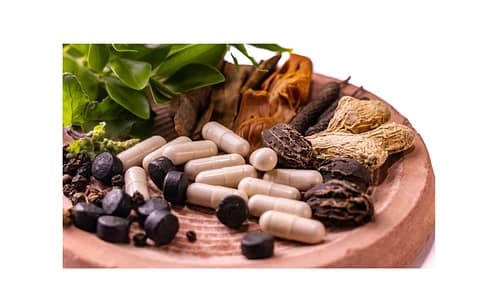
Understanding Diabetes from an Ayurvedic Len
In Ayurveda, diabetes is known as “Madhumeha”, a term that translates to “sweet urine.” It falls under a broader category called Prameha, which includes various metabolic disorders. Ayurveda explains that diabetes occurs when the body’s natural channels (srotas) become blocked due to excess Kapha (the water and earth energy) and Ama (toxins formed by poor digestion).
When Kapha becomes dominant, it slows down metabolism and leads to weight gain, fatigue, and excessive thirst — symptoms often seen in diabetes. The imbalance of Vata, Pitta, and Kapha doshas results in disturbed sugar metabolism. Ayurvedic diabetes management focuses on restoring this doshic balance through food, herbs, detoxification, and mindful living.
Ayurvedic Diet Principles for Diabetes
According to Ayurveda, food is medicine. The right food not only nourishes but also heals. For someone managing diabetes, eating mindfully and choosing the right ingredients can make a significant difference. Ayurvedic diabetes management begins with understanding one’s dosha constitution and adjusting the diet to balance Kapha and stabilize blood sugar.
1. Favor Light, Warm, and Bitter Foods
People with diabetes are advised to avoid heavy, oily, or sweet foods that aggravate Kapha. Instead, opt for light, easily digestible meals. Bitter, pungent, and astringent tastes are recommended as they help cleanse the body and improve digestion.
Include:
- Bitter gourd (karela)
- Fenugreek (methi) seeds
- Neem leaves
- Turmeric
- Amla (Indian gooseberry)
- Green leafy vegetables
These ingredients not only regulate sugar but also purify the blood and strengthen the liver.

2. Whole Grains and Millets
Refined grains increase glucose spikes and worsen Kapha imbalance. Ayurveda encourages whole grains like barley, ragi (finger millet), and kodo millet. These are rich in fiber and help maintain steady energy levels.
Best grains for diabetes:
- Barley (Yava): Known to reduce excessive thirst and urination.
- Millets: Help balance Kapha and control appetite.
- Quinoa and amaranth: Modern substitutes compatible with Ayurvedic principles.
3. Avoid Sugar and Artificial Sweeteners
Ayurveda discourages all forms of refined sugar. Even honey should be used cautiously and never heated. Instead, small amounts of jaggery can be used occasionally if advised by an Ayurvedic practitioner.
4. Spices that Support Digestion
Spices play a powerful role in Ayurvedic diabetes management. They improve digestion, burn toxins, and enhance metabolism.
Useful spices include:
- Turmeric: Anti-inflammatory and blood sugar balancing.
- Cinnamon: Enhances insulin sensitivity.
- Fenugreek: Slows down sugar absorption.
- Black pepper: Improves nutrient absorption.
- Cumin and coriander: Support liver and pancreas health.

5. Hydration with Purpose
Drinking water infused with herbs can enhance metabolism. For example, fenugreek seed water or amla water in the morning supports better glucose control.
Daily Ayurvedic Routine for Balancing Blood Sugar
Ayurveda believes in syncing lifestyle with nature’s rhythm. A disciplined daily routine (Dinacharya) can prevent fluctuations in blood sugar and strengthen immunity.
1. Wake Up Early
Waking up before sunrise (Brahma Muhurta) helps align the body’s energy with nature’s rhythm. It stimulates digestion and metabolism, supporting overall balance.
2. Herbal Morning Rituals
Starting the day with warm water and a pinch of turmeric or a few soaked methi seeds helps cleanse toxins. Gentle yoga stretches or breathing exercises like Anulom Vilom and Kapalabhati improve circulation and insulin function.
3. Balanced Meals at Regular Times
Eating at consistent times each day helps regulate digestion. Skipping meals can create imbalance and lead to sugar crashes. Ayurveda recommends three well-timed meals with minimal snacking.
4. Mindful Eating
Never eat in a rush or while distracted. Chew food slowly and eat in a peaceful environment. This simple act improves digestion and reduces stress-related blood sugar spikes.
5. Sleep and Stress Management
Lack of sleep increases insulin resistance. Go to bed by 10 PM and avoid late-night screen time. Stress, another major factor in diabetes, can be managed through meditation, gentle yoga, and calming herbs like Ashwagandha.
Ayurvedic Herbs That Help Manage Blood Sugar
Ayurveda offers a treasure of herbs known for their ability to balance sugar and rejuvenate the body. These herbs work by improving pancreatic function, supporting digestion, and detoxifying tissues.
1. Gudmar (Gymnema Sylvestre)
Known as the “sugar destroyer,” this herb helps reduce sugar absorption in the intestines and supports insulin activity. It also curbs sugar cravings naturally.
2. Vijaysar (Pterocarpus Marsupium)
Traditionally, diabetic patients were advised to drink water stored in a Vijaysar wooden tumbler overnight. This herb supports pancreas health and lowers sugar levels naturally.
3. Bitter Gourd (Karela)
Rich in plant insulin (polypeptide-P), bitter gourd is one of the best natural remedies for diabetes. Regular consumption of karela juice helps lower fasting and post-meal glucose levels.
4. Neem (Azadirachta Indica)
Neem purifies the blood, removes toxins, and enhances liver function. It also improves insulin sensitivity and helps reduce sugar levels.
5. Turmeric (Curcuma Longa)
A powerhouse herb, turmeric helps reduce inflammation and boosts insulin function. Combining it with black pepper enhances its absorption.
6. Amla (Indian Gooseberry)
Amla is rich in Vitamin C and antioxidants. It helps rejuvenate pancreatic cells and improves digestion, supporting overall glucose control.
7. Triphala
A blend of three fruits — Amla, Haritaki, and Bibhitaki — Triphala gently detoxifies the digestive system and supports metabolism. Taken regularly, it helps maintain healthy blood sugar.
8. Shilajit
This natural mineral compound enhances cellular energy and reduces fatigue — a common complaint among diabetic individuals. It also strengthens immunity and rejuvenates tissues.
Yoga & Pranayama for Diabetes Control
Ayurveda and Yoga are inseparable. Yoga enhances the benefits of Ayurvedic diabetes management by improving circulation, oxygenation, and mental calmness.
Effective Yoga poses include:
- Ardha Matsyendrasana (Half Spinal Twist): Stimulates the pancreas and liver.
- Dhanurasana (Bow Pose): Helps in abdominal massage and digestion.
- Paschimottanasana (Seated Forward Bend): Improves blood flow to abdominal organs.
- Bhujangasana (Cobra Pose): Activates the pancreas and adrenal glands.
- Surya Namaskar (Sun Salutation): A complete body workout that regulates metabolism.

Recommended breathing techniques:
- Kapalabhati: Detoxifies the system and improves pancreatic function.
- Anulom Vilom: Balances both hemispheres of the brain, reducing stress.
- Bhramari: Calms the mind and supports hormonal balance.
Practicing these regularly enhances insulin sensitivity and overall energy.
Detoxification & Panchakarma for Diabetes
When the body is overloaded with toxins, even the healthiest food or herbs may not work effectively. Panchakarma, the Ayurvedic detox therapy, helps cleanse deep-seated toxins and reset metabolism.
Common detox therapies for diabetes include:
- Vamana (therapeutic vomiting) – Clears excess Kapha from the body.
- Virechana (purgation) – Balances Pitta and improves liver health.
- Basti (medicated enema) – Nourishes and cleanses the colon, balancing Vata.
These treatments should always be done under the guidance of a qualified Ayurvedic practitioner.
Mind-Body Connection in Diabetes
Ayurveda teaches that the mind and body are deeply connected. Emotional stress, anger, or anxiety directly impact digestion and hormonal balance. In today’s fast-paced life, mental calmness is as important as physical care.
Practicing gratitude, engaging in hobbies, spending time in nature, and maintaining emotional balance can support better glucose control. A happy, peaceful mind enhances healing more than any herb can.
Keynote Takeaway
Ayurvedic diabetes management is not just about lowering blood sugar — it’s about restoring harmony to the entire body. By balancing diet, herbs, and lifestyle, Ayurveda offers a sustainable, natural way to live well with diabetes.
The approach encourages mindfulness, discipline, and respect for the body’s natural rhythms. When we eat right, move gently, and nurture our minds, diabetes becomes a manageable condition rather than a burden.
Ayurveda reminds us that true healing begins with awareness — awareness of what we eat, how we live, and how we think. With patience and consistency, the Ayurvedic path can transform not only your blood sugar but your overall sense of well-being.
FAQs
1. Can Ayurveda really help manage diabetes effectively?
Yes. Ayurveda focuses on the root cause of diabetes rather than only controlling symptoms. By balancing the three doshas (Vata, Pitta, and Kapha), improving digestion, and detoxifying the body, it helps the body restore natural sugar balance. Many people experience better energy, digestion, and stable glucose levels when they consistently follow Ayurvedic practices.
2. Which Ayurvedic herbs are most effective for diabetes?
Several herbs are known for their blood sugar balancing properties. The most effective ones include Gudmar (Gymnema Sylvestre), Vijaysar, Bitter Gourd (Karela), Turmeric, Neem, and Amla. These herbs work in different ways — some improve insulin activity, while others reduce sugar absorption and detoxify the body.
3. What kind of diet does Ayurveda recommend for people with diabetes?
Ayurveda suggests eating light, warm, and freshly cooked meals. Bitter and astringent foods like karela, methi, and leafy greens are highly recommended. Whole grains such as barley, millets, and quinoa help maintain stable sugar levels. Avoid processed foods, refined sugar, and heavy dairy. Meals should be eaten at regular times and in moderate portions.
4. Are there specific yoga poses that can help with diabetes?
Yes. Yoga complements Ayurvedic diabetes management beautifully. Poses like Ardha Matsyendrasana (Half Spinal Twist), Dhanurasana (Bow Pose), Bhujangasana (Cobra Pose), and Paschimottanasana (Seated Forward Bend) stimulate the pancreas and improve metabolism. Breathing exercises such as Anulom Vilom and Kapalabhati help calm the mind and support hormonal balance.
5. How important is stress management in controlling diabetes?
Extremely important. Stress triggers hormonal imbalances that can raise blood sugar levels. Ayurveda emphasizes mental peace through meditation, breathing exercises, chanting, and spending time in nature. Managing stress not only stabilizes glucose but also improves sleep, digestion, and immunity.
6. Can Ayurvedic remedies replace modern diabetes medicine?
Ayurveda can complement modern medicine, but stopping prescribed medication should only be done under medical supervision. Ayurvedic therapies, when combined with lifestyle and dietary changes, can help reduce dependency on drugs over time — but it must be a gradual and guided process.
7. How long does it take to see results with Ayurvedic diabetes management?
Ayurveda works gently but deeply. Results vary from person to person, depending on how consistently one follows the diet, lifestyle, and herbal regimen. Some may feel more energetic and balanced within a few weeks, while long-term sugar regulation may take a few months of steady practice.
8. Are there any side effects of Ayurvedic herbs for diabetes?
When taken in the correct dosage and under the supervision of a qualified practitioner, Ayurvedic herbs are generally safe. However, excessive or unsupervised use may lead to imbalances. It’s always best to consult an Ayurvedic doctor before starting any herbal treatment.
9. What are some Ayurvedic morning routines that help manage blood sugar?
Start your day early with warm water infused with turmeric or soaked methi seeds. Gentle yoga, deep breathing, and a calm morning routine enhance metabolism and reduce stress. Eating a wholesome breakfast with whole grains and fresh vegetables further stabilizes sugar levels.
10. Can Ayurveda prevent diabetes in people with a family history of it?
Absolutely. Ayurveda’s preventive approach is one of its strengths. By maintaining a balanced diet, regular exercise, and stress-free living, it’s possible to prevent or delay the onset of diabetes — even in those with a genetic predisposition. Early lifestyle corrections can make a huge difference.
Keynote Reflection
Ayurvedic diabetes management is not about quick fixes but long-term harmony. Through the right mix of herbal support, mindful eating, yoga, and inner balance, Ayurveda helps you live with vitality and confidence. It teaches that health is not the absence of disease but the presence of balance — in body, mind, and spirit.
By embracing these ancient practices in today’s modern life, you invite healing that’s natural, sustainable, and deeply nurturing.