Wellness Retreat Planning Guide: Everything You Need to Know
Planning a wellness retreat can feel exciting. At the same time, it can also feel a bit overwhelming. However, with the right plan, you can create a meaningful and memorable experience. Whether you are planning it for personal growth, a group event, or a business idea, this guide will help you move forward step by step.
Understanding the Purpose of a Wellness Retreat
First of all, you need to clearly define the purpose of your retreat. A wellness retreat is not just a holiday. Instead, it is a planned experience that helps people improve their physical, mental, and emotional health.
Ask Yourself:
- What kind of change do you want your participants to feel?
- Who exactly are you planning this retreat for?
- What will be the main focus of your retreat?
Common Retreat Themes
For example, you can choose from:
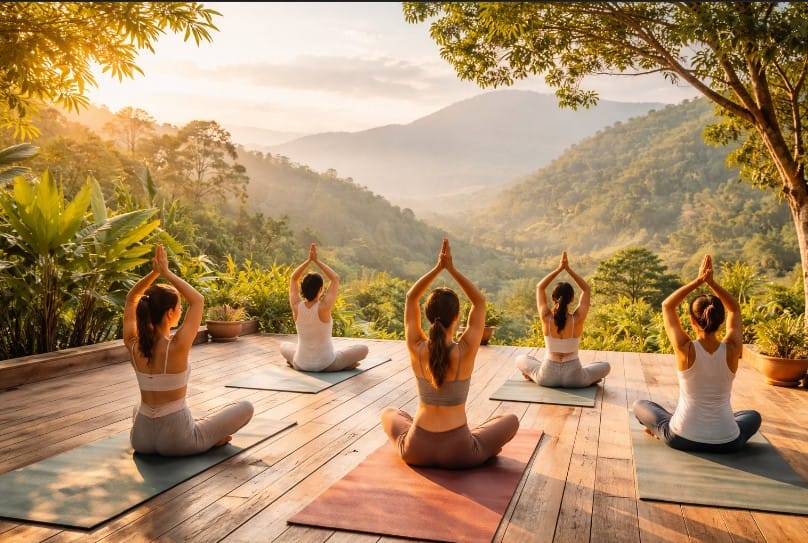
- Yoga and meditation
- Detox and nutrition
- Stress relief and mindfulness
- Digital detox
- Spiritual healing
- Fitness and weight loss
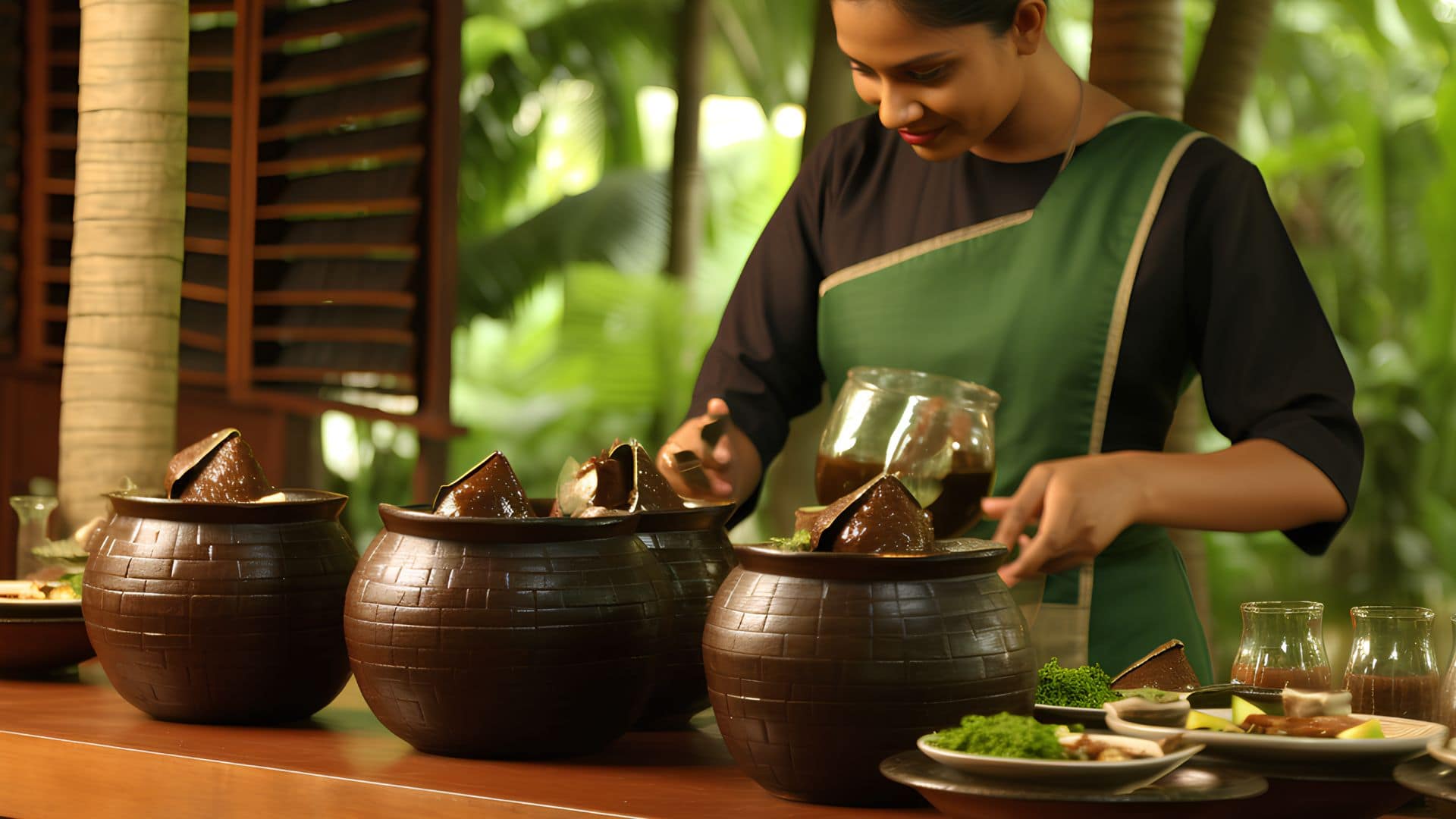
- Ayurveda and holistic healing
As a result, having a clear theme will guide all your decisions. In addition, it will make planning much easier.
Defining Your Target Audience
Next, it is very important to understand your target audience. Different people have different needs. Therefore, your retreat should match their expectations.
Consider These Factors:
- Age group
- Lifestyle
- Experience level
- Budget
For instance, a retreat for busy professionals may focus on stress relief and short sessions. On the other hand, a spiritual retreat may include longer meditation sessions and more quiet time. In this way, you can design a better experience.
Choosing the Ideal Location
After that, you need to select the right location. The place you choose will shape the overall experience. In fact, location plays a major role in the success of your retreat.
Popular Location Options:
- Beach locations for relaxation
- Mountain areas for peace
- Forest retreats for nature connection
- Countryside resorts for calm surroundings
Important Factors:
- Easy travel access
- Good weather conditions
- Clean and safe environment
- Comfortable accommodation
In addition, try to match the location with your theme. For example, a yoga retreat works best in a quiet and peaceful place. Similarly, a fitness retreat may need open spaces.
Setting a Budget
Now, let’s talk about budgeting. This is one of the most important steps. Without a clear budget, planning can quickly become stressful.
Main Expenses Include:
- Accommodation and venue
- Food and drinks
- Instructor fees
- Transport
- Marketing
- Equipment
Pricing Strategy:
First, calculate your total cost.
Then, add your profit margin.
Finally, divide the total by the number of participants.
As a result, you will get the price per person. This simple method helps you stay organized and avoid confusion later.
Designing the Retreat Experience
Once your budget is clear, you can design your retreat schedule. A good plan should balance activities and relaxation. In other words, participants should feel refreshed, not tired.
Core Activities:
- Yoga or fitness sessions
- Meditation practices
- Workshops
- Healthy meals
- Free time
Sample Daily Flow:
Morning:
- Yoga or meditation
- Breakfast
Midday:
- Workshop
- Lunch
Afternoon:
- Free time or nature walk
Evening:
- Meditation or group discussion
- Dinner
At the same time, avoid overloading the schedule. Instead, give people enough time to relax and reflect.
Selecting the Right Facilitators
In addition, choosing the right facilitators is very important. They will guide participants and shape the overall experience.
Look For:
- Proper certifications
- Experience
- Good communication skills
- Friendly and supportive attitude
Types of Experts:
- Yoga teachers
- Nutritionists
- Life coaches
- Meditation guides
For example, you can also invite guest experts. This not only adds value but also makes your retreat more interesting.
Planning Meals and Nutrition
Food plays a very important role in any wellness retreat. Therefore, your meal plan should support health and healing.
Key Points:
- Use fresh and natural ingredients
- Provide balanced meals
- Consider dietary needs
Meal Ideas:
- Fresh juices and smoothies
- Plant-based dishes
- Light and healthy meals
- Ayurvedic food options
Moreover, working with a skilled chef can improve the overall experience. As a result, participants will feel more satisfied.
Creating a Unique Value Proposition
Nowadays, many wellness retreats are available. So, you need to stand out from the rest.
Ask Yourself:
- What makes your retreat different?
- Why should people choose your retreat?
Examples:
- Personal coaching sessions
- Small group size
- Special location
- Customized plans
As a result, your retreat becomes more attractive. In addition, it becomes easier to market.
Legal and Safety Considerations
At the same time, do not ignore legal and safety aspects. These are very important for building trust.
Important Areas:
- Insurance
- Participant agreements
- Emergency plans
- Local permissions
Safety Tips:
- Keep first-aid kits ready
- Have emergency contacts
- Ensure trained staff is available
Therefore, always be prepared for unexpected situations. This will protect both you and your participants.
Building a Strong Brand Identity
In addition, your retreat should have a clear identity. This helps people remember and trust your brand.
Branding Elements:
- Name and logo
- Colors and design
- Clear message
Tips:
- Keep it simple
- Be consistent
- Match your theme
As a result, your retreat will look more professional and appealing.
Early Marketing Preparation
Finally, start promoting your retreat early. This will help you reach the right audience on time.
First Steps:
- Create a simple website or landing page
- Use social media
- Build an email list
Content Ideas:
- Wellness tips
- Location previews
- Team introduction
- Behind-the-scenes content
In the beginning, focus on building trust. After that, you can slowly promote your retreat offers.
Creating a Strong Marketing Strategy
First of all, even the best retreat will not succeed without proper marketing. Therefore, you need a clear plan to reach your target audience.
Key Marketing Channels:
- Social media platforms
- Email marketing
- Influencer collaborations
- Website or landing page
Social Media Tips:
For example, you can use platforms like Instagram and Facebook to share:
- Wellness tips
- Short videos
- Retreat highlights
- Testimonials
In addition, posting regularly helps build trust. At the same time, engaging with your audience increases visibility.
Email Marketing:
Moreover, email marketing is a powerful tool. You can send:
- Early bird offers
- Retreat updates
- Helpful wellness content
As a result, you can build a loyal audience over time.
Building an Effective Booking System
Next, you need a smooth booking process. If the process is complicated, people may lose interest.
Important Features:
- Simple registration form
- Secure payment options
- Clear pricing details
- Cancellation policy
Tools You Can Use:
- Google Forms for basic registration
- Payment gateways like Razorpay or Stripe
- Booking platforms for advanced setup
In addition, always confirm bookings through email. This builds trust and avoids confusion.
Setting the Right Pricing Strategy
After that, focus on your pricing strategy. Pricing should reflect value while remaining attractive.
Pricing Models:
- Early bird discounts
- Group discounts
- Premium packages
For instance, early bird pricing encourages quick bookings. On the other hand, premium packages can include extra benefits like private sessions.
As a result, you can attract different types of customers.
Preparing for the Retreat Day
Now, let’s move to execution. Preparation is key to a smooth experience.
Before the Retreat:
- Confirm all bookings
- Recheck venue arrangements
- Coordinate with facilitators
- Prepare materials and kits
In addition, create a checklist. This will help you stay organized.
Managing the Retreat On-Site
During the retreat, your role becomes very important. You need to ensure everything runs smoothly.
Key Responsibilities:
- Welcoming participants
- Managing schedules
- Solving problems quickly
- Supporting facilitators
At the same time, maintain a calm and positive attitude. This will influence the overall environment.
Participant Experience Tips:
- Be approachable
- Listen to feedback
- Stay flexible
As a result, participants will feel valued and comfortable.
Creating a Memorable Experience
A successful retreat is not just about activities. Instead, it is about how people feel during and after the experience.
Ways to Enhance Experience:
- Personalized welcome kits
- Group bonding activities
- Reflection or journaling sessions
- Surprise elements
For example, a small welcome gift can make a big difference. Similarly, group sharing sessions can create emotional connection.
Handling Challenges and Emergencies
Even with perfect planning, challenges can happen. Therefore, you should always be prepared.
Common Issues:
- Weather changes
- Health concerns
- Schedule delays
How to Handle Them:
- Stay calm
- Have backup plans
- Communicate clearly
In addition, quick decision-making is very important during such situations.
Collecting Feedback
After the retreat, feedback is essential. It helps you improve future events.
Ways to Collect Feedback:
- Feedback forms
- Online surveys
- Direct conversations
Ask About:
- Overall experience
- Activities
- Food and accommodation
- Suggestions
As a result, you can understand what worked well and what needs improvement.
Post-Retreat Engagement
Your connection with participants should not end after the retreat. Instead, you should continue engagement.
Follow-Up Ideas:
- Thank-you emails
- Sharing photos and videos
- Offering future discounts
- Creating a community group
Moreover, staying connected increases the chances of repeat customers.
Building Long-Term Success
Finally, think about long-term growth. A single retreat can become a strong business if managed well.
Growth Strategies:
- Plan regular retreats
- Build a personal brand
- Partner with wellness experts
- Expand to new locations
In addition, consistency is key. Over time, your reputation will grow.
Final Thoughts
To sum up, planning and managing a wellness retreat requires effort, planning, and passion. However, with the right strategy, you can create a powerful and rewarding experience.
From defining your purpose to managing participants and building long-term connections, every step plays an important role. Therefore, focus on quality, stay organized, and always put your participants first.
FAQs:
A wellness retreat is a planned experience focused on improving physical, mental, and emotional health. It usually includes activities like yoga, meditation, healthy eating, and relaxation. In addition, it helps people take a break from daily stress.
First, think about your expertise and interest. Then, consider your target audience’s needs. For example, you can choose yoga, detox, mindfulness, or fitness. As a result, your retreat will feel more focused and valuable.
The cost depends on location, duration, and services. However, common expenses include venue, food, instructors, and marketing. Therefore, you should always create a clear budget before planning.
First, calculate your total cost. Then, add your profit margin. After that, divide by the number of participants. In addition, you can offer early bird discounts or premium packages.
Generally, retreats last between 2 to 7 days. However, shorter retreats are better for busy people, while longer ones allow deeper relaxation and transformation.