
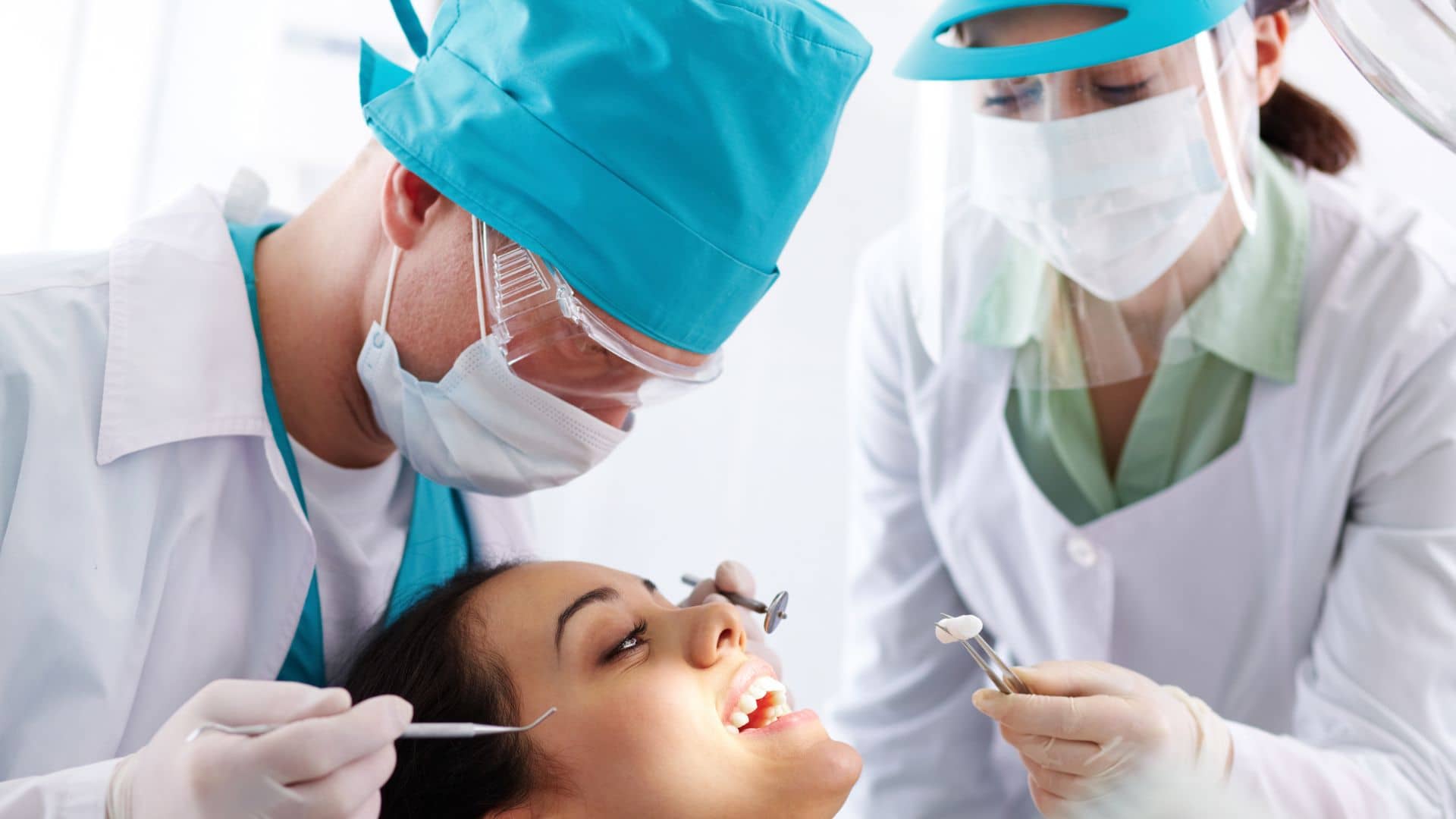
Dental Tourism Safety Tips: What Patients Must Watch Out For
Dental tourism has become a popular choice for many people looking to save money on dental care, combine treatment with a vacation, or access specialized procedures not available in their home country. While it sounds exciting, it is crucial to prioritize safety above all. Following proper dental tourism safety tips can help prevent complications, ensure high-quality care, and make your trip stress-free.

Why Dental Tourism Is Popular
Dental treatments abroad often cost significantly less than in countries like the US, Canada, or the UK. Many patients travel to countries in Asia, Eastern Europe, or Latin America for services such as dental implants, veneers, teeth whitening, or full mouth rehabilitation. Besides cost, dental tourism can provide shorter waiting times and access to advanced technology.
However, traveling abroad for dental care carries risks. Not all clinics follow the same hygiene standards, and communication issues or lack of proper follow-up can lead to complications. This is why learning dental tourism safety tips is essential before you make your plans.
1. Research Clinics Thoroughly
Before choosing a clinic, spend time researching its reputation. Look for:
- Accreditations and Certifications: Ensure the clinic is certified by relevant local or international dental associations.
- Doctor Credentials: Check the qualifications and experience of the dentists performing procedures.
- Patient Reviews: Genuine reviews from previous patients can provide insight into service quality and clinic hygiene.
A little research upfront can save you from costly mistakes later. Dental tourism safety tips always start with picking the right clinic.

2. Verify Hygiene and Sterilization Standards
One of the most important dental tourism safety tips is to confirm that the clinic follows strict sterilization protocols. Poor hygiene can lead to infections, which may become serious. Ask about:
- How instruments are sterilized
- Use of disposable items for each patient
- Clinic cleanliness and sanitation procedures
A safe clinic will have no hesitation in showing you their hygiene standards.
3. Understand the Procedure in Detail
Before any treatment, ensure you understand:
- The exact procedure and how it will be performed
- Materials used (especially for implants, crowns, or veneers)
- Recovery time and potential side effects
Knowledge reduces anxiety and helps you make informed decisions. It is a crucial part of dental tourism safety tips to avoid unexpected surprises.
4. Check the Cost and Hidden Fees
Cost is a major factor in dental tourism, but it should not compromise safety. Be aware of:
- Detailed treatment plan with itemized costs
- Additional charges for follow-ups or medications
- Travel and accommodation expenses
Having a clear financial plan ensures there are no unexpected surprises and aligns with dental tourism safety tips for budgeting.
5. Communicate Your Health History Clearly
Your medical history plays a crucial role in safe dental care. Inform the clinic about:
- Allergies, especially to anesthesia or medications
- Chronic illnesses like diabetes or heart conditions
- Previous dental treatments

Transparent communication allows the dental team to provide safe and customized care. This is one of the most overlooked but essential dental tourism safety tips.
6. Confirm Emergency Protocols
Even in the best clinics, emergencies can occur. Ask about:
- Availability of emergency care during and after treatment
- Protocols for complications
- Contacts for urgent follow-ups
Knowing these details before traveling is a key aspect of dental tourism safety tips.
7. Plan for Travel and Recovery
Traveling immediately after certain dental procedures can be risky. For example, dental implants or surgeries may require rest and careful movement. Consider:
- Extra days for recovery before returning home
- Comfortable travel arrangements
- Medications and post-procedure care supplies
Proper planning aligns with dental tourism safety tips for patient comfort and health.
8. Evaluate Communication and Language
Clear communication with your dentist ensures instructions are understood. Look for:
- Clinics with English-speaking staff or translators
- Detailed written instructions for post-treatment care
- Video or phone consultations if needed
Miscommunication can lead to mistakes, so prioritize this aspect as part of dental tourism safety tips.
9. Consider Travel Insurance
Travel insurance that covers dental procedures is essential. It should include:
- Emergency medical coverage
- Trip cancellations
- Complications or follow-up treatment coverage
Insurance adds a safety net, reducing financial risks. Always include this in your checklist of dental tourism safety tips.
10. Keep Records and Documentation
Maintain all treatment records, invoices, X-rays, and prescriptions. These documents are crucial for:
- Follow-ups with your home dentist
- Insurance claims
- Any future complications
Organized records are one of the simplest yet most effective dental tourism safety tips.
11. Watch Out for Unrealistic Promises
Be cautious of clinics promising:
- Extremely low prices
- Perfect results with no risks
- Unrealistically short recovery times
If something sounds too good to be true, it probably is. Trustworthy clinics prioritize patient safety over flashy offers.
12. Understand Local Regulations
Dental regulations vary from country to country. Make sure you:
- Check if the country has standards similar to your home country
- Verify licensing of dentists
- Confirm clinic inspection records
Being informed about local rules ensures you avoid unsafe practices—a critical dental tourism safety tip.
13. Plan for Aftercare
Many procedures require follow-ups. Ask your clinic about:
- Remote consultations after returning home
- Guidance on medications and diet
- Steps for managing minor complications
Aftercare planning is often overlooked, but it is one of the most important dental tourism safety tips.
14. Travel with a Companion
If possible, travel with someone you trust. A companion can:
- Help with transportation
- Assist during recovery
- Provide support in emergencies
Safety is always better in numbers, making this a practical tip for dental tourism safety.
15. Trust Your Instincts
Finally, trust your gut. If something feels off about the clinic, the staff, or the environment, reconsider. Patient safety is the highest priority, and your instincts are a valuable guide.
Keynote Takeaway
Dental tourism offers an exciting opportunity to receive quality dental care at a lower cost while exploring new destinations. However, prioritizing your health and safety is crucial. By following these dental tourism safety tips—researching clinics, verifying hygiene standards, understanding procedures, communicating your health history, planning recovery, and arranging proper aftercare—you can enjoy a safe, successful, and stress-free dental journey.
FAQs:
1. Is dental tourism safe?
Dental tourism can be safe if you carefully research clinics, verify hygiene standards, and follow the proper dental tourism safety tips. Choosing accredited clinics and experienced dentists greatly reduces risks.
2. How do I know if a dental clinic abroad is trustworthy?
Look for certifications, licenses, and accreditations. Check dentist qualifications, read genuine patient reviews, and ask about sterilization procedures. Trust clinics that provide clear information and transparent pricing.
3. What should I ask before undergoing dental treatment abroad?
Ask about the procedure details, recovery time, potential side effects, materials used, costs, emergency protocols, and follow-up options. Clear communication ensures safer treatment.
4. Do I need travel insurance for dental tourism?
Yes. Travel insurance covering medical emergencies, treatment complications, and trip cancellations is highly recommended. It provides a financial safety net in case of unexpected situations.
5. Can I travel immediately after dental procedures?
It depends on the procedure. Surgeries like implants may require a few days of rest. Always discuss recovery time with your dentist and plan your travel accordingly.
6. How can I avoid hidden costs during dental tourism?
Request a detailed, itemized treatment plan before traveling. Include all charges such as consultation, materials, medications, follow-ups, and travel-related costs. Clear planning prevents surprises.
7. What if I face complications after returning home?
Keep all medical records, prescriptions, and X-rays from the clinic. Contact your home dentist for follow-up care, and check if the foreign clinic offers remote consultations.
8. Should I travel alone for dental tourism?
If possible, travel with a companion. They can assist during recovery, provide emotional support, and help in case of emergencies.
9. Are low-cost dental clinics abroad safe?
Not always. Extremely low prices may indicate compromised quality. Prioritize accredited clinics with transparent pricing and verified safety protocols.
10. How can I ensure proper aftercare?
Confirm with your clinic about post-treatment instructions, medications, diet, and follow-up appointments. Keep in touch with the clinic even after returning home.



One Comment