Dental Tourism: Benefits, Risks, and What to Expect
Dental tourism has emerged as a rapidly growing trend, attracting patients from around the world who seek high-quality dental care at affordable prices. With rising healthcare costs in many countries, traveling abroad for dental procedures has become an appealing option for individuals looking to save money while receiving professional treatment.
In this first part, we will explore what dental tourism is, why it is gaining popularity, the most common procedures, top destinations, and the key benefits that make it an attractive choice.
What Is Dental Tourism?
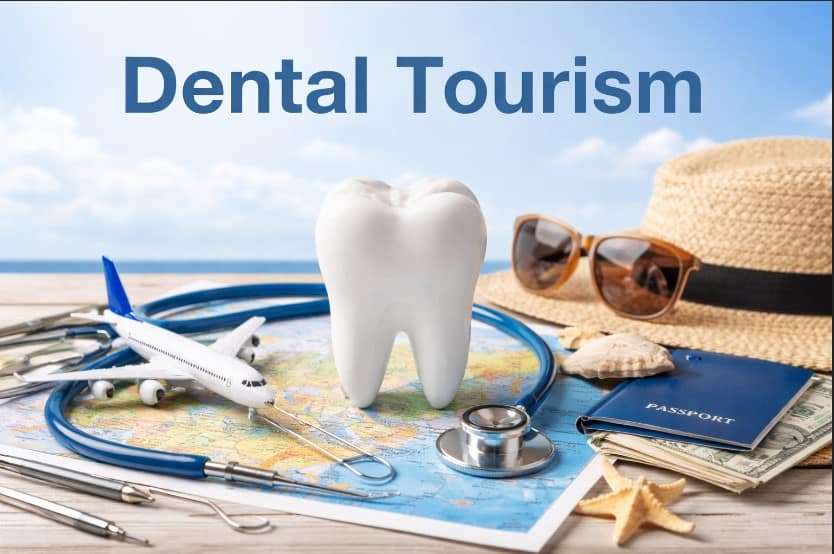
Dental tourism refers to the practice of traveling to another country to receive dental care. Patients often combine treatment with a vacation, making it both a medical and travel experience.
People typically seek dental tourism for procedures such as:
- Cosmetic dentistry
- Restorative treatments
- Preventive dental care
- Complex oral surgeries
The main motivation is to access affordable, high-quality dental services that may be expensive or less accessible in their home country.
Why Is Dental Tourism Becoming Popular?
The rise of dental tourism is driven by several global factors.
Rising Costs of Dental Care
In countries like the United States, the United Kingdom, and parts of Europe, dental treatments can be extremely expensive. Procedures such as implants or full-mouth reconstruction may cost thousands of dollars.
Traveling abroad can reduce these costs by 50–70% without compromising quality.
Access to Advanced Technology
Many dental clinics in popular destinations are equipped with modern technology, including digital imaging, CAD/CAM systems, and laser dentistry.
Patients can receive cutting-edge treatments at a fraction of the price they would pay at home.
Reduced Waiting Times
In some countries, patients face long waiting periods for dental procedures. Dental tourism allows individuals to receive treatment quickly, often within days of arrival.
Opportunity to Travel
Dental tourism combines healthcare with leisure. Patients can explore new destinations, relax, and recover in a different environment while undergoing treatment.
Common Dental Procedures in Dental Tourism
Dental tourists typically travel for treatments that are either expensive or require specialized care.
Cosmetic Dentistry
Cosmetic procedures are among the most popular choices for dental tourists.
These include:
- Teeth whitening
- Veneers
- Smile makeovers
Patients often seek these treatments to improve appearance and confidence.
Dental Implants
Dental implants are one of the most sought-after procedures in dental tourism due to their high cost in many countries.
They involve replacing missing teeth with artificial roots and crowns, providing a long-term solution.
Crowns and Bridges
Crowns and bridges are used to restore damaged or missing teeth. These treatments are commonly performed abroad at significantly lower costs.
Orthodontic Treatments
Some patients travel for orthodontic care, including braces or clear aligners, especially when treatment costs are lower overseas.
Root Canal Treatment
Root canal procedures are another common reason for dental travel, particularly when urgent care is needed at an affordable price.
Top Destinations for Dental Tourism
Several countries have become popular hubs for dental tourism due to their affordability, skilled professionals, and modern facilities.
India
India is one of the leading destinations for dental tourism. It offers highly qualified dentists, modern clinics, and significantly lower costs compared to Western countries.
Cities like Delhi, Mumbai, and Bangalore are known for advanced dental care facilities.
Thailand
Thailand is famous for its world-class healthcare system and hospitality. Dental clinics in cities like Bangkok provide high-quality care along with luxury services.
Hungary
Hungary is often referred to as the dental capital of Europe. It attracts patients from across the continent due to its expertise in cosmetic and restorative dentistry.
Mexico
Mexico is a popular choice for patients from the United States due to its proximity and affordability. Border towns are especially known for dental services.
Turkey
Turkey has gained popularity for its affordable cosmetic dentistry and modern clinics, particularly in cities like Istanbul.
Benefits of Dental Tourism
Dental tourism offers several advantages that make it appealing to patients worldwide.
Cost Savings
One of the biggest benefits is the significant reduction in treatment costs. Patients can save a substantial amount even after including travel and accommodation expenses.
High-Quality Care
Many dental clinics abroad follow international standards and employ experienced professionals trained in advanced techniques.
Access to Specialized Treatments
Some countries offer specialized procedures that may not be easily available in the patient’s home country.
Minimal Waiting Time
Patients can schedule appointments quickly and receive treatment without long delays.
Combined Travel Experience
Dental tourism allows individuals to combine medical care with a vacation, making the experience more enjoyable and less stressful.
Factors to Consider Before Choosing Dental Tourism
Before deciding to travel for dental care, it is important to evaluate several factors.
Research the Clinic
Look for clinics with:
- International accreditation
- Positive patient reviews
- Experienced dentists
- Transparent pricing
Check Dentist Credentials
Ensure that the dentist is qualified, licensed, and experienced in performing the required procedure.
Understand the Treatment Plan
Request a detailed treatment plan, including:
- Procedure steps
- Duration of treatment
- Number of visits required
- Follow-up care
Evaluate Travel Costs
Consider the total cost, including:
- Flights
- Accommodation
- Local transportation
- Food and other expenses
Plan for Recovery Time
Some procedures require recovery time. Patients should plan their stay accordingly to avoid complications during travel.
Is Dental Tourism Right for You?
Dental tourism may be a good option if:
- You are looking for affordable dental care
- You require extensive or cosmetic procedures
- You are comfortable traveling abroad for treatment
- You have time to plan and research thoroughly
However, it may not be suitable for emergency treatments or individuals who require frequent follow-ups.
Risks of Dental Tourism
While dental tourism offers many advantages, it is not without risks. Being aware of these challenges can help you make informed decisions.
Quality Variations
Not all clinics maintain the same standards. While many clinics in countries like India and Turkey provide excellent care, others may lack proper hygiene, updated equipment, or experienced professionals.
Poor-quality treatment can lead to complications, infections, or the need for corrective procedures later.
Lack of Follow-Up Care
Dental procedures often require follow-up visits. When treatment is done abroad, it may be difficult to return for adjustments or check-ups.
Local dentists in your home country may also hesitate to handle complications from procedures performed elsewhere.
Communication Barriers
Language differences can sometimes lead to misunderstandings about treatment plans, expectations, or post-procedure care.
Clear communication is essential to avoid confusion and ensure proper treatment.
Travel-Related Risks
Long flights and travel can pose risks, especially after major dental procedures. These include:
- Swelling or discomfort during travel
- Risk of infection
- Difficulty accessing immediate care if complications arise
Legal and Regulatory Differences
Healthcare regulations vary across countries. In some destinations, patient protection laws may not be as strict as in your home country.
This can make it difficult to take legal action in case of malpractice or unsatisfactory results.
Hidden Costs
While treatment may appear cheaper, additional expenses can add up:
- Travel and accommodation
- Extended stays due to complications
- Follow-up treatments at home
Without proper planning, the overall cost may exceed expectations.
Safety Tips for Dental Tourists
To minimize risks and ensure a safe experience, consider the following precautions.
Choose Accredited Clinics
Look for clinics that have international certifications or affiliations. Accreditation ensures that the clinic meets certain quality and safety standards.
Verify Dentist Qualifications
Check the dentist’s education, certifications, and years of experience. Many reputable clinics in Thailand and Hungary showcase their credentials online.
Read Patient Reviews
Online reviews and testimonials can provide valuable insights into patient experiences, clinic quality, and service standards.
Request a Virtual Consultation
Before traveling, schedule an online consultation to discuss your treatment plan, costs, and expectations.
Get a Written Treatment Plan
Ensure you receive a detailed document that includes:
- Procedure details
- Total cost
- Duration of treatment
- Materials used
- Warranty or guarantees
Arrange Travel Insurance
Choose travel insurance that covers medical procedures and potential complications during your stay.
Plan for Recovery Time
Do not rush your return journey. Allow enough time for healing and follow-up appointments before traveling back.
What to Expect During Dental Tourism
Understanding the process can help reduce anxiety and improve your overall experience.
Initial Consultation
Once you arrive, the dentist will conduct a thorough examination, which may include:
- X-rays
- Digital scans
- Oral health assessment
Based on this, the final treatment plan will be confirmed.
Treatment Phase
Depending on the procedure, treatment may take:
- A few hours for minor procedures
- Several days for complex treatments
- Multiple visits for implants or full-mouth restoration
Clinics often provide comfortable environments and may even offer concierge services.
Recovery and Follow-Up
After the procedure:
- You may experience mild pain or swelling
- The dentist will provide medication and care instructions
- Follow-up visits may be scheduled before departure
Proper aftercare is essential for successful results.
After Returning Home
Your responsibility does not end after returning home.
Continue Dental Care
Follow all post-treatment instructions carefully. Maintain good oral hygiene and attend regular dental check-ups.
Monitor for Complications
Watch for signs such as:
- Persistent pain
- Swelling or infection
- Loose crowns or implants
If any issues arise, consult a local dentist immediately.
Keep Medical Records
Maintain copies of:
- Treatment reports
- X-rays
- Prescriptions
These documents can help your local dentist provide appropriate care if needed.
Legal and Ethical Considerations
Dental tourism involves navigating different legal systems.
Understand Patient Rights
Before traveling, research patient rights in your chosen destination, whether it is Mexico or Turkey.
Informed Consent
Ensure you fully understand the procedure, risks, and outcomes before giving consent.
Liability Issues
In case of malpractice, pursuing legal action abroad can be complex and costly. This highlights the importance of choosing reputable clinics.
Who Should Avoid Dental Tourism?
Dental tourism may not be suitable for everyone.
It may not be ideal for:
- Patients requiring emergency dental care
- Individuals with complex medical conditions
- Those needing frequent follow-up visits
- People uncomfortable with international travel
In such cases, local treatment may be a safer option.
Tips for a Successful Dental Tourism Experience
To ensure a smooth journey:
- Plan well in advance
- Choose the destination carefully
- Communicate clearly with your dentist
- Budget for unexpected expenses
- Allow sufficient recovery time
A well-informed approach can help you maximize benefits while minimizing risks.
Final Thoughts
Dental tourism offers an excellent opportunity to access affordable, high-quality dental care while exploring new destinations. However, it requires careful planning, thorough research, and realistic expectations.
By understanding the risks and taking proper precautions, patients can enjoy a safe and successful dental treatment experience abroad. Whether you choose India, Thailand, or Hungary, the key lies in making informed decisions.
FAQs:
Yes, dental tourism can be safe if you choose a reputable clinic, verify credentials, and follow proper precautions.
Patients can save anywhere from 40% to 70% on dental procedures, depending on the destination and treatment.
Most insurance plans do not cover treatments performed abroad, but some international policies may offer partial coverage.
The duration depends on the procedure. Minor treatments may require a few days, while complex procedures like implants may need longer stays or multiple visits.
Yes, but not all dentists may be willing to handle work done abroad. It is best to discuss this in advance.