

7 Powerful Ayurveda Secrets for Anti-Aging: Herbs & Therapies to Stay Youthful
Ever looked in the mirror and thought, “I wish I could slow down the clock”? The good news is, you don’t need expensive creams or complicated treatments to feel and look younger. Ayurveda for Anti-Aging offers timeless, natural strategies to help your body, mind, and skin stay vibrant. And the best part? Students like you can start these practices easily, even with a busy schedule full of classes, assignments, and exams.
Let’s talk about herbs, therapies, and daily habits that aren’t just effective—they’re simple, natural, and fun to include in your routine.
What Is Ayurveda?
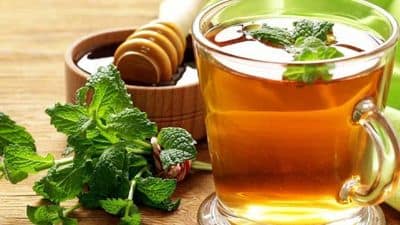
Before exploring the anti-aging secrets, it’s important to understand what Ayurveda really is. Ayurveda is an ancient Indian system of medicine that focuses on balance and harmony. It doesn’t just treat symptoms; it looks at the whole person—body, mind, and spirit.
Central to Ayurveda are the three doshas: Vata, Pitta, and Kapha. Each of us has a unique combination that determines our physical and mental traits:
- Vata (Air + Space): Controls movement and creativity. Too much Vata can cause dry skin, joint stiffness, and anxiety.
- Pitta (Fire + Water): Governs metabolism and digestion. Excess Pitta may lead to inflammation and premature aging.
- Kapha (Earth + Water): Provides stability and strength. Overactive Kapha can result in sluggishness and weight gain.
Ayurveda aims to balance these doshas through diet, lifestyle, herbs, and therapies. When balanced, your body naturally stays youthful, energetic, and healthy.
Why Students Should Care About Ayurveda for Anti-Aging
You might be thinking, “I’m young—why should I care about anti-aging?” Here’s the thing: aging isn’t just about wrinkles. It’s about cellular health, stress, digestion, and immunity.
Students face unique challenges—late-night studies, stress from exams, junk food, and long hours sitting at a desk. These can accelerate aging inside your body, even if you look young on the outside.
Ayurveda for Anti-Aging focuses on:
- Maintaining energy levels throughout the day
- Reducing stress and mental fatigue
- Supporting healthy skin, hair, and nails
- Strengthening immunity and preventing illnesses
It’s not about looking younger instantly—it’s about feeling youthful from the inside out.
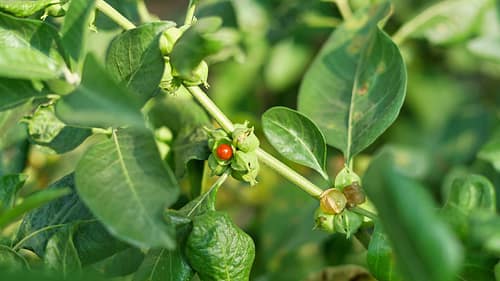
1. Ashwagandha – The Stress-Busting Her
Stress is one of the biggest contributors to premature aging. And for students, stress is unavoidable. This is where Ashwagandha comes in.
Ashwagandha is an adaptogen, meaning it helps your body manage stress naturally. It also improves sleep quality, boosts energy, and supports brain function. Imagine being calmer during exams, sleeping better at night, and having more focus—all at the same time. That’s anti-aging in action!
How to use it:
- Ashwagandha powder in warm milk
- Capsules or tablets
- Herbal teas containing Ashwagandha
2. Turmeric – The Golden Skin Elixi
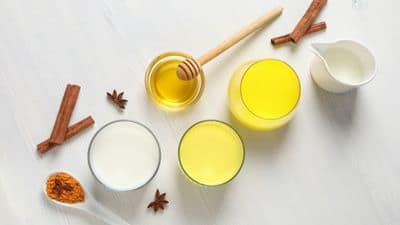
Turmeric isn’t just for curries. Its active compound, curcumin, is a powerhouse antioxidant and anti-inflammatory agent. It keeps skin radiant, reduces inflammation, and even supports joint health.
For students, turmeric is great because it fights off low-grade inflammation caused by stress, poor diet, and lack of sleep.
Ways to include turmeric:
- Golden milk before bed
- Add it to smoothies or meals
- Turmeric face mask for glowing skin
3. Amla (Indian Gooseberry) – Vitamin C Powerhouse
Amla is packed with antioxidants and vitamin C, which are essential for maintaining youthfulness. It supports skin elasticity, strengthens hair roots, and improves immunity.
Student-friendly tips:
- Mix amla powder into smoothies
- Drink fresh amla juice
- Include it in salads or snacks
Amla not only keeps your skin glowing but also boosts your body’s defense system—a double win for busy students!
4. Brahmi – The Brain Booster
Exams, assignments, and endless deadlines can make your brain feel foggy. Brahmi is an Ayurvedic herb that improves memory, concentration, and mental clarity.
It also reduces anxiety and stress, both of which accelerate aging if left unchecked. Think of Brahmi as a natural brain tonic that keeps you sharp and calm.
Ways to use it:
- Brahmi tea or powder
- Capsules for convenience
- Brahmi-infused smoothies
5. Gotu Kola – The Skin and Healing Herb
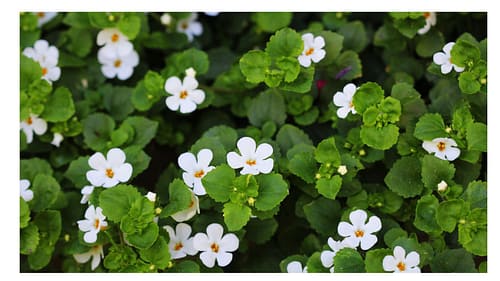
Gotu Kola has been used in Ayurveda for centuries to improve skin elasticity and circulation. It also helps heal minor wounds and reduces scarring.
For students, Gotu Kola can be particularly helpful in maintaining radiant skin despite long hours in front of screens or late-night snacking.
Ways to include Gotu Kola:
- Fresh leaves in salads or smoothies
- Capsules or powder
- Herbal teas
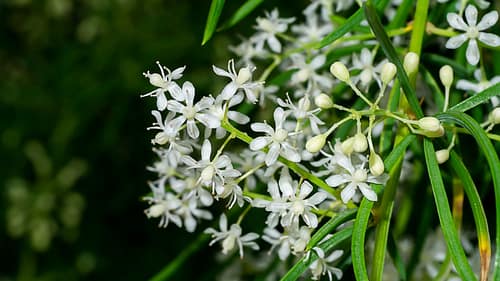
6. Shatavari – The Hormone Harmonizer
Shatavari is especially beneficial for women but can support overall vitality for everyone. It helps balance hormones, which influences skin, energy, and mental health.
Student-friendly tips:
- Shatavari powder in warm milk
- Herbal teas
- Capsules or tablets
Balanced hormones mean better energy, less stress, and improved overall wellness—key components of anti-aging.
Ayurvedic Therapies for Anti-Aging
Herbs alone are powerful, but Ayurveda also emphasizes therapies that target the whole body.
Abhyanga – Daily Oil Massage
Abhyanga is a warm oil massage that boosts circulation, moisturizes skin, and calms the nervous system. Even a 10-minute self-massage with sesame or coconut oil before a shower can make a big difference.
Shirodhara – Relaxation Therapy
Shirodhara involves gently pouring warm oil over your forehead. It reduces stress, improves sleep, and promotes mental clarity. Perfect after long study sessions or stressful days.
Panchakarma – Deep Detox
Panchakarma is a full-body detoxification process that cleanses the digestive system and rejuvenates cells. While the full therapy may require a professional, you can incorporate simple detox routines like herbal teas, gentle fasting, or seasonal detox diets.
Daily Habits to Stay Youthful the Ayurvedic Way
Ayurveda is more than herbs and therapies—it’s a lifestyle. Here are practical habits students can follow:
1. Eat According to Your Dosha
Your body type affects what foods are best for you:
- Vata: Warm, moist, grounding foods
- Pitta: Cooling, non-spicy foods
- Kapha: Light, dry foods
Balanced eating improves digestion, energy, and skin health.
2. Sleep Early and Well
Sleep is when your body repairs itself. Avoid late-night cramming if possible, and aim to sleep early to feel energetic and youthful.
3. Practice Mindfulness
Meditation or deep-breathing exercises reduce stress hormones, improve focus, and keep your mind calm. Just 5–10 minutes daily can make a noticeable difference.
4. Stay Hydrated
Water is essential for flushing out toxins and keeping your skin radiant. Herbal teas and warm water with lemon or ginger are excellent Ayurvedic options.
5. Exercise Consistently
Gentle exercise like yoga, walking, or swimming keeps your metabolism active and improves circulation, which supports youthful skin and energy levels.
Common Myths About Ayurveda for Anti-Aging
Let’s clear some confusion:
- “Ayurveda is only for older people.” – Students can benefit greatly by starting early.
- “It’s all herbs and complicated therapies.” – Simple daily habits like meditation, herbal teas, and self-massage already work wonders.
- “It works overnight.” – Ayurveda works gradually. Consistency is the key to real results.
How Students Can Start
Here’s a simple routine for students to incorporate Ayurveda for Anti-Aging:
- Morning: Warm water with lemon or ginger + 5 min meditation
- Before Classes: Nutritious breakfast suited to your dosha
- Afternoon: Short walk, herbal tea, stretching
- Evening: 10-minute self-massage (Abhyanga)
- Night: Sleep by 10 pm, avoid screens 30 min before bed
Even small steps like these improve energy, focus, and overall youthfulness.
Conclusion
Aging is natural, but feeling old before your time doesn’t have to be. Ayurveda for Anti-Aging isn’t about chasing youth through expensive treatments—it’s about living in harmony with your body and mind.
By including herbs like Ashwagandha, Turmeric, Brahmi, and Amla, therapies like Abhyanga and Shirodhara, and simple lifestyle habits, students can stay energetic, focused, and vibrant. It’s not just about looking young—it’s about feeling young every day, inside and out.
Start small, stay consistent, and let Ayurveda guide you toward a naturally youthful life.
FAQs:
1. What is Ayurveda for Anti-Aging?
Ayurveda for Anti-Aging is an ancient holistic system of medicine that focuses on rejuvenating the body and mind to slow down the aging process. It emphasizes balance through natural herbs, lifestyle practices, and therapies to maintain vitality and youthfulness.
2. Which Ayurvedic herbs are best for anti-aging?
Some of the most effective Ayurvedic herbs for anti-aging include:
- Ashwagandha: Reduces stress and enhances energy levels.
- Turmeric: Offers anti-inflammatory and antioxidant properties.
- Amla (Indian Gooseberry): Rich in vitamin C, it supports skin health and immunity.
- Brahmi: Improves cognitive function and reduces anxiety.
- Gotu Kola: Enhances skin elasticity and promotes wound healing.
These herbs work synergistically to combat signs of aging and promote overall well-being.
3. How can Ayurveda help with skin aging?
Ayurveda offers various remedies to address skin aging, such as:
- Abhyanga (Oil Massage): A daily self-massage with warm herbal oils nourishes the skin and improves circulation.
- Kumkumadi Oil: A traditional Ayurvedic oil that brightens the complexion and reduces dark spots.
- Dietary Recommendations: Consuming foods that balance your dosha can improve skin health.
By incorporating these practices, Ayurveda helps maintain youthful and glowing skin.
4. Are Ayurvedic anti-aging treatments safe?
When used correctly, Ayurvedic treatments are generally safe. However, it’s essential to:
- Consult with a qualified Ayurvedic practitioner.
- Use high-quality, authentic herbs and products.
- Be aware of potential allergies or interactions with existing medications.
Safety is paramount, so always approach Ayurvedic treatments with informed caution.
5. Can Ayurveda reverse the signs of aging?
While Ayurveda may not reverse aging entirely, it can significantly slow down the process by:
- Detoxifying the body.
- Enhancing cellular regeneration.
- Balancing hormones and reducing stress.
These holistic approaches contribute to a more youthful appearance and improved vitality.




5 Comments