
Rhinoplasty in India: 7 Key Facts on Costs, Recovery & Risks
When people think of India, they often imagine vibrant cultures, flavorful food, and ancient traditions. But in recent years, India has also become a major destination for cosmetic and reconstructive procedures — particularly rhinoplasty. With advanced medical technology, globally trained surgeons, and prices that are a fraction of what you’d pay in the West, rhinoplasty in India is attracting patients from around the world.
Rhinoplasty, commonly known as a nose job, is a surgical procedure that reshapes or restructures the nose for cosmetic or medical reasons. It might be done to refine facial balance, correct breathing issues, or fix deformities after injury. What’s impressive is that India offers world-class results — often performed by surgeons trained in the US or UK — at a far more affordable rate.

Why India Is Emerging as a Global Rhinoplasty Hub
In the last decade, India has become one of the top destinations for medical tourism, and rhinoplasty plays a significant part in this trend. According to recent health travel data, India ranks among the top five global countries for cosmetic surgery tourism. The reasons are simple — affordable pricing, expert surgeons, and advanced technology.
Most Indian hospitals and aesthetic clinics use modern 3D imaging, open and closed surgical techniques, and minimally invasive approaches. Surgeons also have access to FDA-approved implants and medical-grade materials, ensuring international standards of safety and results.
Another reason for the rise in rhinoplasty in India is the customized approach. Instead of a “one-size-fits-all” outcome, surgeons create a tailored plan that respects the patient’s ethnicity, facial harmony, and desired aesthetic. This balance between artistry and science has placed Indian cosmetic surgeons on the world map.
How Much Does Rhinoplasty Cost in India? (Overview)
One of the most attractive factors driving international patients is the cost advantage. While rhinoplasty in countries like the US or UK can easily cost between $5,000 to $10,000, the same procedure in India ranges between ₹70,000 and ₹2,50,000 (approximately $850–$3,000) depending on the complexity and city.
Factors that influence rhinoplasty cost in India include:
- Type of procedure (open, closed, revision, or non-surgical)
- Experience of the surgeon
- Type of hospital or clinic
- Use of implants or grafts
- City (Mumbai and Delhi are generally more expensive than Chennai or Pune)
Even with top-tier surgeons and luxury hospital stays, the total expense remains 60–70% lower than what patients would pay in Western countries. That’s why rhinoplasty in India has become a preferred choice for many looking for both affordability and excellence.
Cities Leading the Way in Rhinoplasty
When it comes to cosmetic procedures, some Indian cities have emerged as global centers for medical excellence.
Here are the top destinations for rhinoplasty in India:
- Mumbai – Known for celebrity cosmetic surgeons and advanced technology
- Delhi NCR – Houses some of India’s top reconstructive and aesthetic specialists
- Bangalore – Offers premium care with digital imaging and robotic surgery options
- Chennai – Affordable, high-quality care with renowned plastic surgery hospitals
- Hyderabad – Rapidly growing hub for international medical tourists
Each city offers unique benefits, whether it’s luxury hospital stays, lower costs, or multilingual support staff for foreign patients.
Understanding the Procedure in Simple Terms
The main goal of rhinoplasty is to reshape the nose — whether by refining the tip, adjusting the bridge, or correcting internal structures for better breathing. The surgery can be cosmetic or functional (medical), and often, both are achieved in one procedure.
There are two major types:
- Open Rhinoplasty: The surgeon makes a small incision on the underside of the nose to fully access nasal structures — ideal for detailed reshaping.
- Closed Rhinoplasty: All incisions are made inside the nostrils, leaving no visible scars — often used for simpler corrections.
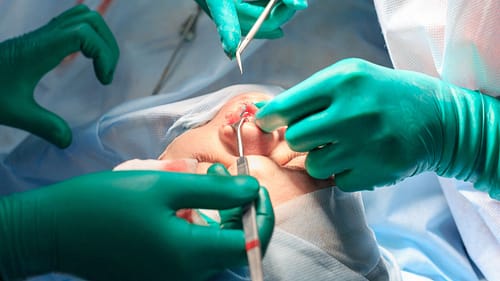
Some patients also choose non-surgical rhinoplasty, which involves dermal fillers for temporary reshaping without surgery. Though results last only 9–12 months, it’s popular among those who want a quick, reversible enhancement.
Recovery Snapshot
Recovery plays a major role in how successful the outcome looks. After rhinoplasty in India, patients generally stay in the country for about 7–10 days post-surgery for follow-ups and healing. Swelling, bruising, and mild discomfort are common during the first week but gradually fade.
Most people can return to normal activities within 2 weeks, though complete recovery — when the nose takes its final shape — may take up to 6 months. The good news? Many Indian clinics offer recovery suites and guided aftercare to make healing smooth and stress-free for international patients.
Detailed Cost Breakdown: How Much Does Rhinoplasty Really Cost in India?
The first question most people ask is, “How much will it cost?”
And the honest answer is — it depends. The cost of rhinoplasty in India varies based on the type of procedure, surgeon’s experience, hospital setup, and the city where it’s performed.
Here’s a general cost comparison table to help you understand:
| City | Average Cost (₹) | Approx. USD Equivalent | Remarks |
|---|---|---|---|
| Mumbai | ₹1,20,000 – ₹2,50,000 | $1,400 – $3,000 | Premium clinics, celebrity surgeons |
| Delhi NCR | ₹90,000 – ₹2,00,000 | $1,100 – $2,400 | Popular among medical tourists |
| Bangalore | ₹80,000 – ₹1,80,000 | $950 – $2,150 | Balanced pricing and quality |
| Chennai | ₹70,000 – ₹1,50,000 | $850 – $1,800 | Affordable with experienced surgeons |
| Hyderabad | ₹75,000 – ₹1,60,000 | $900 – $1,900 | Quality care at reasonable cost |
On average, rhinoplasty in India is 65% cheaper than in countries like the USA, UK, or Australia — without compromising quality.
Cost by Type of Procedure
Different techniques have different costs because of the level of complexity involved:
- Closed Rhinoplasty: ₹70,000 – ₹1,20,000
- Open Rhinoplasty: ₹1,20,000 – ₹2,00,000
- Revision Rhinoplasty: ₹1,50,000 – ₹2,50,000 (done to correct or refine previous surgeries)
- Non-Surgical Rhinoplasty (Fillers): ₹25,000 – ₹60,000
Other Charges You Might Encounter
In addition to surgery fees, patients may need to account for:
- Pre-surgical tests: ₹3,000 – ₹10,000
- Medication and anesthesia: ₹5,000 – ₹20,000
- Post-op consultations and aftercare: ₹5,000 – ₹15,000
- Accommodation for recovery (for international patients): ₹3,000 – ₹8,000 per night
Even with these added costs, India remains one of the most affordable and trusted destinations for rhinoplasty worldwide.
The Rhinoplasty Journey: Step-by-Step Recovery Timeline
One of the biggest concerns people have before surgery is — how long does recovery take?
While every person heals differently, most patients undergoing rhinoplasty in India follow a similar recovery path.
Day 1–3: The Beginning
Right after surgery, your nose will be bandaged or splinted to support healing. You may experience swelling, minor bleeding, and nasal congestion. The hospital stay usually lasts 1–2 days, depending on how your body responds.
Day 4–7: Early Healing
Swelling and bruising are still visible, especially around the eyes. Most patients are advised to keep their head elevated, avoid physical exertion, and stick to soft foods. Pain is typically mild and manageable with prescribed medicines.
Week 2: Visible Improvements
By the second week, most bruising subsides, and you can resume light activities or remote work. The nose starts to look more refined, though internal healing continues. Many people schedule their follow-up visit around day 10 to remove the splint.
Week 3–4: Returning to Normal
You can return to work, travel, and daily life, but heavy exercise should still be avoided. Breathing improves as internal swelling decreases. The nose shape becomes more natural.
Month 2–6: Final Results Bloom
The subtle swelling fades, and the final shape becomes more visible. Most patients notice a dramatic transformation by the third month, but complete healing — especially for thick skin — can take up to 6–12 months.
During this period, clinics offering rhinoplasty in India usually provide remote video consultations for international patients to ensure smooth recovery and follow-up care.
Common Risks & How to Minimize Them
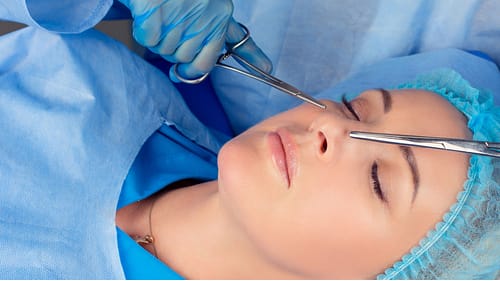
Just like any surgical procedure, rhinoplasty in India carries potential risks. However, with skilled surgeons and proper aftercare, these risks can be minimized significantly.
Possible Risks Include:
- Infection or bleeding
- Nasal asymmetry
- Temporary breathing difficulty
- Persistent swelling or numbness
- Unfavorable scarring (rare)
- Need for revision surgery
Tips to Reduce Risks:
- Choose a certified and experienced surgeon. Always check credentials and before-after photos.
- Follow post-surgery instructions strictly. Avoid touching, blowing, or putting pressure on the nose.
- Avoid smoking and alcohol. They can slow down healing and increase complications.
- Attend all follow-ups. Early detection of min.or issues prevents major corrections later.
In general, when rhinoplasty is done under expert hands, the success rate in India exceeds 95% — comparable to the world’s top clinics.
How to Choose the Right Surgeon in India
Choosing the right doctor is the most crucial step in your rhinoplasty journey. India has hundreds of talented surgeons, but finding the one who aligns with your goals makes all the difference.
Here’s how you can shortlist wisely:
1. Check Qualifications and Certifications
Look for doctors who are board-certified in Plastic, Cosmetic, or Reconstructive Surgery. Many leading Indian surgeons have international training or fellowships from the US, UK, or South Korea.
2. Ask for Before-After Photos
Most reputable surgeons will show their portfolio. Examine their results — do they look natural? Do they align with your aesthetic goals?
3. Read Patient Testimonials
Authentic patient reviews and testimonials reveal much about bedside manner, transparency, and results.
4. Schedule a Virtual Consultation
Many clinics in India offer online consultations for international clients. This helps you discuss your needs, get a cost estimate, and build trust before traveling.
5. Discuss Customization
Every nose is unique. A good surgeon doesn’t just copy celebrity noses — they tailor the surgery to your facial balance, ethnicity, and bone structure.
6. Check the Facility Standards
Ensure the hospital or clinic is NABH or JCI accredited, uses advanced anesthesia methods, and maintains high safety protocols.
When these boxes are ticked, rhinoplasty in India becomes not only affordable but also remarkably safe and personalized.
Non-Surgical Rhinoplasty – The Growing Trend
Not everyone wants to go under the knife, and that’s where non-surgical rhinoplasty comes in. It’s a quick, filler-based procedure that reshapes the nose without incisions or anesthesia.
In this method, a doctor injects hyaluronic acid fillers to lift or smooth out uneven areas. The results are instant and can last 9–12 months. It’s ideal for those wanting to correct small humps, dips, or asymmetry.
However, it’s not suitable for major structural changes or breathing issues. Still, as an affordable, low-risk option, it has become a popular alternative, especially among young professionals and travelers visiting India for short stays.
Keynote Takeaway
The growing popularity of rhinoplasty in India reflects how the country has evolved into a trusted center for advanced cosmetic surgery. With skilled doctors, state-of-the-art clinics, and a blend of artistry and precision, India delivers results that often exceed expectations — all at a fraction of Western costs.
Whether it’s enhancing facial harmony or fixing a long-standing breathing issue, India provides the perfect balance between quality, care, and cost-efficiency.
For anyone considering the procedure, the most important step is choosing the right surgeon — because with the right hands, a new nose can mean a renewed confidence.
FAQs:
1. How much does rhinoplasty cost in India?
The average cost of rhinoplasty in India ranges from ₹70,000 to ₹2,50,000, depending on the city, surgeon’s expertise, and type of surgery. Closed rhinoplasty is usually on the lower end, while open or revision rhinoplasty can be more expensive.
2. How long does it take to recover from rhinoplasty in India?
Most patients recover enough to resume work within 10–14 days after surgery. However, complete healing — when the swelling fully subsides and the final shape appears — can take 6 to 12 months. The recovery process is gradual but generally comfortable when post-care instructions are followed.
3. Is rhinoplasty safe in India?
Yes. India has a large number of board-certified plastic and cosmetic surgeons who perform rhinoplasty using international standards of care. Clinics are equipped with advanced technology and sterile facilities, making the procedure safe when performed by qualified professionals.
4. Are the results of rhinoplasty permanent?
Yes, surgical rhinoplasty delivers permanent results, though it may take several months for the final shape to stabilize. Non-surgical rhinoplasty (using fillers) is temporary, lasting between 9 and 12 months, after which touch-ups may be needed.
5. What is the difference between open and closed rhinoplasty?
- Open Rhinoplasty involves a small incision on the underside of the nose, allowing better visibility for detailed reshaping.
- Closed Rhinoplasty is done through the nostrils, leaving no visible scars and offering quicker recovery.
The choice depends on the correction needed and the surgeon’s recommendation.
6. Can foreigners travel to India for rhinoplasty?
Absolutely. India is one of the most sought-after destinations for medical tourism, especially for rhinoplasty. Many hospitals assist with travel, visa, accommodation, and aftercare services to ensure a comfortable experience for international patients.
7. How do I choose the best rhinoplasty surgeon in India?
Look for a board-certified plastic surgeon with proven experience in rhinoplasty. Check before-after photos, patient testimonials, and certifications. Many top surgeons in India offer virtual consultations before you travel, helping you plan your procedure confidently.
8. Will there be scars after rhinoplasty?
In most cases, rhinoplasty leaves minimal to no visible scars. Closed rhinoplasty has no external incisions, while open rhinoplasty involves a small incision that usually fades over time and becomes almost invisible.
9. Is rhinoplasty painful?
Most patients describe it as uncomfortable rather than painful. Surgeons use anesthesia during the operation, and pain medication is prescribed afterward. Discomfort is mild and subsides within a few days as swelling reduces.
10. Why is rhinoplasty cheaper in India compared to Western countries?
Lower operating costs, affordable medical infrastructure, and competitive pricing allow India to offer the same high-quality surgical results at 60–70% lower costs than the USA or UK. Despite lower prices, safety and quality are not compromised.