

Unlock the Secrets of Herbal Hair Masks: Your Guide to Luscious, Healthy Locks
In the quest for beautiful, healthy hair, herbal hair masks stand out as a transformative solution. These concoctions, crafted from nature’s bounty, offer a holistic approach to addressing various hair concerns. Whether you’re battling dryness, frizz, or seeking to boost overall hair health, herbal hair masks provide a natural and effective remedy. In this comprehensive guide, we delve into the world of herbal hair masks, exploring their benefits, key ingredients, and DIY recipes tailored to tackle common hair troubles.
Understanding the Essence of Herbal Hair Masks:
Herbal hair masks embody the essence of natural, holistic hair care. Crafted from a diverse array of plant-derived ingredients, these masks go beyond superficial treatments, providing your hair with the nourishment it craves. Unlike commercial hair products that often rely on synthetic chemicals, herbal masks offer a gentler yet potent solution to a variety of hair issues, making them a go-to choice for those seeking a more wholesome approach to hair care.
Holistic Nourishment:
At the heart of herbal hair masks lies the concept of holistic nourishment. These masks are carefully formulated to encompass a medley of ingredients, each chosen for its unique benefits. Vitamins, minerals, and antioxidants present in these plant-derived components work synergistically to offer comprehensive care for your hair. This holistic approach addresses not just surface-level concerns but also the overall health and well-being of your hair, from roots to tips.
Commercial hair products often contain harsh chemicals that may provide temporary solutions but can also strip the hair of its natural oils and cause long-term damage. Herbal hair masks, on the other hand, provide a gentle yet effective alternative. By embracing the power of nature, these masks ensure that your hair receives the nutrients it needs without compromising its integrity.
Versatility in Troubleshooting:
One of the most notable features of herbal hair masks is their remarkable versatility. Regardless of your specific hair concerns, there’s likely an herbal remedy that can address them. Whether you’re grappling with dry and damaged hair, a flaky scalp, or simply aiming to enhance your hair’s natural shine, the diverse range of herbs available allows for customization tailored to your unique needs.
For those with dry and damaged hair, herbal masks can offer deep hydration and repair. Ingredients like aloe vera, coconut oil, and hibiscus are known for their moisturizing and conditioning properties, promoting softness and manageability.
If you’re dealing with a flaky scalp or dandruff, herbs such as neem, tea tree oil, and rosemary can provide soothing relief and address underlying scalp issues. These natural ingredients possess antibacterial and antifungal properties that combat the root causes of dandruff.
For those seeking to enhance their hair’s natural shine and luster, herbs like amla (Indian gooseberry), hibiscus, and bhringraj can work wonders. These herbs are celebrated for their ability to promote hair health, imparting shine and vitality to dull or lackluster locks.
The versatility of herbal hair masks extends beyond addressing specific issues to providing overall maintenance and preventive care. Regular use of these masks can contribute to the long-term health and beauty of your hair, making them a valuable addition to your hair care routine.
In essence, herbal hair masks represent a return to nature, a departure from the synthetic and a reconnection with the bountiful offerings of the earth. Embracing the holistic nourishment and versatile troubleshooting capabilities of herbal hair masks can be a transformative journey toward healthier, more radiant hair.

Key Ingredients in Herbal Hair Masks:
Amla (Indian Gooseberry):
- Benefits: Amla is a powerhouse of vitamin C and antioxidants, promoting hair growth, preventing premature graying, and adding shine.
Bhringraj (False Daisy):
- Benefits: Known for its hair-nourishing properties, Bhringraj strengthens hair follicles, reduces hair fall, and encourages healthy hair growth.
Hibiscus:
- Benefits: Hibiscus is a natural conditioner that helps in detangling hair, reducing frizz, and promoting overall hair health.
Neem:
- Benefits: Neem’s antibacterial and antifungal properties make it effective against dandruff and scalp infections, promoting a clean and healthy scalp.
Aloe Vera:
- Benefits: Aloe vera hydrates the hair, soothes the scalp, and contributes to a healthy balance of oils on the scalp.
DIY Herbal Hair Mask Recipes:
Amla (Indian Gooseberry):
Amla’s Astonishing Attributes
Amla, also known as Indian Gooseberry, stands as a botanical marvel in the realm of herbal hair care. Bursting with vitamin C and antioxidants, this small green fruit packs a potent punch of benefits for your tresses. Vitamin C plays a pivotal role in collagen synthesis, promoting hair growth and strengthening hair strands from root to tip. The antioxidant properties of amla help neutralize free radicals, contributing to the prevention of premature graying and the maintenance of vibrant, youthful hair. Additionally, the shine-enhancing effects of amla make it a cherished ingredient for those seeking lustrous locks.
Bhringraj (False Daisy):
Bhringraj’s Bounty for Your Hair
Bhringraj, often referred to as False Daisy, emerges as a herbal hero renowned for its hair-nourishing prowess. This herb goes beyond mere aesthetics, delving deep into strengthening the very roots of your hair. Bhringraj is celebrated for its ability to fortify hair follicles, reducing hair fall and fostering an environment conducive to healthy hair growth. Regular use of Bhringraj-infused hair care can be a transformative journey toward a fuller, more resilient mane.
Hibiscus:
Hibiscus – Nature’s Hair Conditioner
Hibiscus, with its vibrant petals and lush foliage, doubles as a natural conditioner in the herbal hair care arsenal. This floral gem unravels its benefits by assisting in detangling hair, a boon for those grappling with knotty concerns. Hibiscus also proves to be an ally in the battle against frizz, contributing to smoother, more manageable hair. Beyond its cosmetic contributions, hibiscus promotes overall hair health, making it a sought-after ingredient in herbal formulations.
Neem:
Neem – Nature’s Cleanser and Protector
Neem, an evergreen tree native to the Indian subcontinent, takes center stage with its multifaceted benefits for hair. Revered for its antibacterial and antifungal properties, neem becomes a formidable adversary against dandruff and scalp infections. The cleansing prowess of neem extends to promoting a clean and healthy scalp, laying the foundation for robust hair growth. Integrating neem into your hair care routine is akin to inviting nature’s cleanser and protector into your tresses.
Aloe Vera:
Aloe Vera – The Hydration Maestro
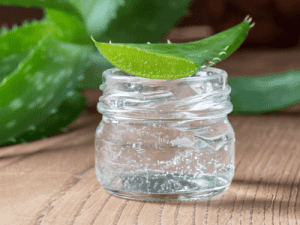
Aloe vera, with its succulent leaves brimming with gel, earns its place as the hydration maestro in the herbal hair care repertoire. This botanical marvel excels in hydrating the hair, infusing it with moisture and preventing dryness. Aloe vera’s soothing properties extend to the scalp, providing relief from irritation and contributing to a healthy balance of oils. Whether you seek a quenched scalp or revitalized strands, aloe vera emerges as a go-to ingredient for those desiring a holistic approach to hair care.
Incorporating these herbal powerhouses into your hair care routine can be a transformative journey toward healthier, more vibrant hair. Each ingredient brings its unique set of benefits, contributing to an amalgamation of nature’s goodness for your precious locks.
Tips for Using Herbal Hair Masks Effectively:
1. Assess Your Hair Needs: Before embarking on your herbal hair care journey, take a moment to evaluate your hair’s specific needs. Whether you’re grappling with dryness, frizz, or dandruff, identifying these concerns will guide you in crafting a tailor-made herbal mask. Different herbs address different issues, and a targeted approach ensures that your hair receives the customized care it deserves.
2. Consistency Matters: Like any effective hair care routine, consistency is the secret sauce to reaping the full benefits of herbal hair masks. Incorporate these masks into your regular hair care regimen, whether it’s a weekly ritual or a bi-weekly indulgence. Consistent use allows the herbal goodness to work its magic over time, transforming your hair from within.
3. Quality Ingredients for Optimal Results: When it comes to herbal hair masks, quality reigns supreme. Opt for high-quality, organic ingredients to concoct your masks. Fresh and pure components ensure that your hair receives the maximum nourishment without the interference of harmful additives. Investing in the best ingredients is an investment in the health and vitality of your hair.
4. Time Your Treatment: Herbal hair masks are not a rushed affair; they are a rejuvenating ritual. For optimal results, give the natural goodness enough time to weave its magic into your hair. Allow the mask to sit for at least 30 minutes before rinsing. This unhurried approach ensures that the herbal concoction penetrates the hair shaft, addressing concerns from root to tip. Treat your hair to the luxury of time for a truly transformative experience.
Summing Up!
Embracing herbal hair masks is a step toward healthier, more vibrant hair. The holistic nourishment these masks provide addresses a myriad of hair concerns, offering a natural and sustainable approach to hair care. Whether you opt for time-tested herbs like amla and neem or explore the benefits of hibiscus and aloe vera, the world of herbal hair masks invites you to unlock the secrets to luscious, healthy locks. Elevate your hair care routine with the power of nature and revel in the beauty of naturally nourished hair.
FAQs:
- What is a herbal hair mask, and how does it differ from commercial hair masks?
- A herbal hair mask is a natural treatment for the hair, typically made from plant-based ingredients. It differs from commercial masks by avoiding synthetic chemicals, relying on the healing properties of herbs, oils, and other natural components.
- How often should I use a herbal hair mask?
- The frequency of use depends on your hair’s specific needs. In general, using a herbal hair mask once a week is a good starting point. Adjust based on your hair type, concerns, and the ingredients in the mask.
- Can herbal hair masks address specific hair issues like dandruff or hair fall?
- Yes, herbal hair masks are often formulated to target specific issues. Ingredients like neem, aloe vera, and hibiscus, among others, can address concerns such as dandruff, hair fall, and scalp irritation.
- How long should I leave a herbal hair mask on my hair?
- The duration varies based on the mask’s ingredients. In general, leaving the mask on for 30 minutes to an hour allows the natural components to penetrate and nourish the hair. Some masks, especially those with oil-based ingredients, can be left on overnight for deep conditioning.
- Are herbal hair masks suitable for all hair types?
- Yes, herbal hair masks are versatile and can be adapted for various hair types. Whether you have oily, dry, or normal hair, there are herbal ingredients that can benefit and nourish your specific hair needs.
- Can I make a herbal hair mask at home with readily available ingredients?
- Absolutely! Many herbal hair mask recipes use ingredients found in most kitchens, such as aloe vera, coconut oil, honey, and essential oils. Creating a homemade herbal hair mask allows you to tailor it to your preferences and hair requirements.
- How long does it take to see results from using herbal hair masks?
- Results can vary based on individual factors and the specific concerns you’re addressing. Consistent use over several weeks is often needed to see noticeable improvements in hair texture, shine, and overall health.



One Comment