Panchakarma vs Modern Detox: Which Is Better?
Introduction
In today’s fast-paced lifestyle, detoxification has become more important than ever. People face constant exposure to pollution, unhealthy diets, stress, and sedentary habits. As a result, toxins can build up in the body and affect overall health. Therefore, many individuals now turn to detox methods to cleanse their systems and improve well-being.
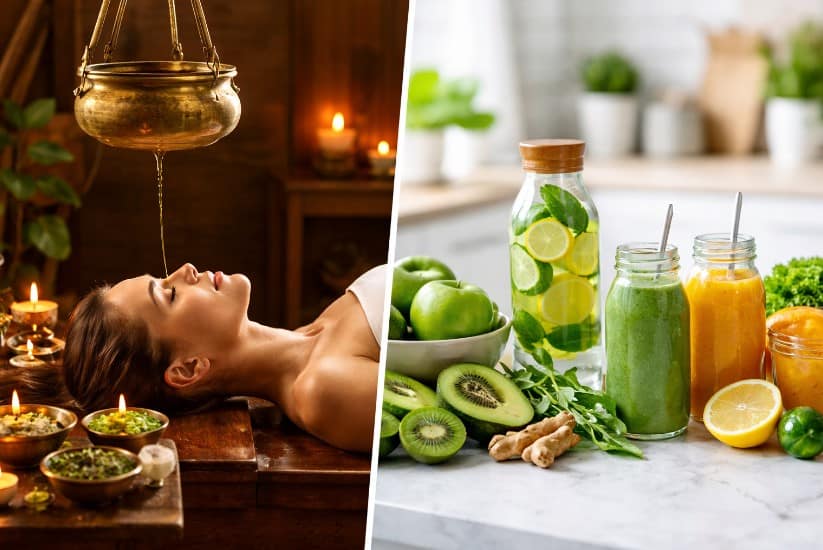
Two popular approaches dominate the detox space—traditional Ayurveda therapies like Panchakarma and modern detox programs. While both aim to remove toxins and restore balance, they follow very different philosophies and methods.
So, which one is better? To answer this, we must first understand how each system works and what benefits they offer.
What is Panchakarma?
Panchakarma is a classical detoxification and rejuvenation therapy rooted in Ayurveda. The word “Panchakarma” means “five actions,” referring to five therapeutic procedures designed to cleanse the body deeply.
Unlike quick detox methods, Panchakarma focuses on balancing the body’s energies—Vata, Pitta, and Kapha. It not only removes toxins but also restores harmony between the mind and body.
Core Principles of Panchakarma
Panchakarma works on a holistic level. Instead of targeting symptoms, it treats the root cause of imbalance.
Balance of Doshas
According to Ayurveda, health depends on the balance of three doshas. When these become imbalanced, toxins accumulate. Therefore, Panchakarma helps restore this balance naturally.
Removal of Ama (Toxins)
In Ayurveda, toxins are called “Ama.” These form due to improper digestion and unhealthy habits. Panchakarma removes Ama through specialized therapies.
Strengthening Digestion
A strong digestive system is essential for health. Panchakarma improves digestion and metabolism, which helps prevent toxin buildup.
The Five Main Therapies of Panchakarma
Each therapy in Panchakarma serves a unique purpose. Together, they provide a complete detox.
Vamana (Therapeutic Emesis)
This process involves controlled vomiting to remove excess mucus and toxins from the respiratory and digestive systems.
Virechana (Purgation Therapy)
Doctors use herbal medicines to cleanse the intestines. As a result, toxins leave the body through bowel movements.
Basti (Medicated Enema)
This therapy uses herbal oils or decoctions administered through the rectum. It is highly effective for balancing Vata dosha.
Nasya (Nasal Therapy)
In this method, herbal oils are applied through the nose. It helps clear toxins from the head and improves respiratory health.
Raktamokshana (Blood Purification)
This therapy removes toxins from the blood. However, it is used selectively based on the patient’s condition.
What is Modern Detox?
Modern detox refers to a variety of cleansing methods popular in today’s wellness industry. These include juice cleanses, detox diets, supplements, and fasting routines.
Unlike Panchakarma, modern detox focuses mainly on eliminating toxins through diet and lifestyle changes. It is often shorter in duration and easier to follow.
Common Types of Modern Detox Programs
Modern detox comes in many forms. Therefore, people can choose based on their preferences.
Juice Cleanses
These involve consuming only fruit and vegetable juices for a few days. As a result, the body gets a break from heavy digestion.
Detox Diets
These diets eliminate processed foods, sugar, caffeine, and unhealthy fats. Instead, they focus on whole, natural foods.
Intermittent Fasting
This method cycles between eating and fasting periods. It helps the body rest and repair itself.
Detox Supplements
Many products claim to support liver function and toxin removal. However, their effectiveness varies.
Key Differences Between Panchakarma and Modern Detox
Although both methods aim to detoxify the body, they differ in several important ways.
Approach
Panchakarma follows a holistic and personalized approach. In contrast, modern detox methods are more general and standardized.
Duration
Panchakarma usually takes several days or weeks. On the other hand, modern detox programs are often short-term.
Supervision
Experts perform Panchakarma under medical guidance. However, many modern detox methods can be done at home.
Depth of Detox
Panchakarma provides deep cleansing at both physical and mental levels. Meanwhile, modern detox mainly focuses on dietary cleansing.
Benefits of Panchakarma
Panchakarma offers a wide range of health benefits. Moreover, it works on both body and mind.
Deep Detoxification
It removes toxins from tissues at a deeper level. Therefore, the results are long-lasting.
Improved Digestion
By strengthening digestive fire, Panchakarma helps the body process food better.
Better Mental Clarity
It reduces stress and improves mental focus. As a result, patients feel more relaxed and balanced.
Boosted Immunity
Regular detox through Panchakarma can enhance the immune system.
Benefits of Modern Detox
Modern detox programs also provide several advantages, especially for beginners.
Easy to Follow
Most detox diets are simple and convenient. Therefore, people can follow them without much difficulty.
Quick Results
Many people feel lighter and more energetic within a few days.
Weight Management
Detox programs often help reduce water weight and bloating.
Lifestyle Reset
They encourage healthier eating habits and better lifestyle choices.
Limitations of Panchakarma
Although Panchakarma is powerful, it has some limitations.
- It requires time and commitment
- It can be expensive
- It must be done under expert supervision
Therefore, not everyone may find it convenient.
Limitations of Modern Detox
Modern detox methods also have drawbacks.
- Results may be temporary
- Some methods lack scientific support
- Overuse can lead to nutrient deficiencies
Therefore, careful planning is necessary
Which One Should You Choose?
Choosing between Panchakarma and modern detox depends on your needs and lifestyle.
If you want deep, long-term healing, Panchakarma may be the better choice. However, if you need a quick and simple reset, modern detox can help.
In many cases, a balanced approach works best. For example, you can combine healthy eating with occasional Ayurvedic therapies.
Scientific Evidence and Effectiveness
When comparing Panchakarma and modern detox, scientific support plays an important role. While both methods claim to remove toxins, their evidence base differs.
Panchakarma, rooted in Ayurveda, has been practiced for centuries. Although modern research on Panchakarma is still growing, some studies suggest it may help reduce inflammation, improve metabolism, and support overall wellness. Moreover, its holistic approach focuses on long-term balance rather than quick fixes.
On the other hand, modern detox methods have mixed scientific support. For example, the human body already has natural detox systems, mainly the liver and kidneys. Therefore, many experts believe that extreme detox diets may not be necessary. However, simple detox practices like healthy eating and hydration do support these natural processes.
Safety Comparison
Safety is a key factor when choosing any detox method. Therefore, understanding the risks and precautions is essential.
Panchakarma Safety
Panchakarma is generally safe when performed by trained professionals. Since it involves therapies like cleansing and herbal treatments, proper supervision is important.
However, if done incorrectly, it may cause discomfort or complications. Therefore, patients should always consult qualified Ayurvedic practitioners before starting.
Modern Detox Safety
Modern detox programs vary widely. Some are safe and beneficial, while others may pose risks.
For instance, balanced detox diets that include fruits, vegetables, and hydration are safe for most people. However, extreme fasting or juice-only diets can lead to weakness, dehydration, and nutrient deficiencies.
Therefore, moderation and proper planning are crucial.
Side Effects of Panchakarma
Although Panchakarma offers deep cleansing, some temporary side effects may occur.
- Mild fatigue
- Headaches
- Digestive changes
- Emotional release
These effects usually happen as the body eliminates toxins. However, they improve with proper care and guidance.
Side Effects of Modern Detox
Modern detox methods may also cause side effects, especially if followed incorrectly.
- Low energy levels
- Dizziness
- Nutrient deficiency
- Muscle loss (in extreme fasting)
Therefore, it is important to avoid overly restrictive detox programs.
Diet Plan During Panchakarma
Diet plays a major role in Panchakarma. In fact, it supports the cleansing process and enhances results.
Before Panchakarma
Patients usually follow a light diet. For example:
- Warm, simple foods
- Easily digestible meals
- Reduced intake of heavy and oily foods
This prepares the body for detox.
During Panchakarma
During treatment, the diet becomes even simpler.
- Khichdi (rice and lentils)
- Herbal teas
- Warm water
Because these foods are easy to digest, they help the body focus on cleansing.
After Panchakarma
After the therapy, doctors gradually reintroduce normal foods.
- Start with light meals
- Slowly add variety
- Avoid junk food
This step ensures long-term benefits.
Diet Plan for Modern Detox
Modern detox diets focus on clean eating. Therefore, they encourage natural and whole foods.
Recommended Foods
- Fresh fruits and vegetables
- Whole grains
- Nuts and seeds
- Herbal drinks and water
These foods support the body’s natural detox system.
Foods to Avoid
- Processed foods
- Sugar and refined carbs
- Alcohol
- Excess caffeine
Avoiding these helps reduce toxin buildup.
Which Detox is More Effective?
Effectiveness depends on individual goals. Therefore, there is no one-size-fits-all answer.
Panchakarma works deeply and provides long-term benefits. It focuses on root causes and overall balance. As a result, it is ideal for chronic issues and complete rejuvenation.
In contrast, modern detox works faster and suits short-term goals. It helps reset eating habits and improve energy levels quickly.
Expert Recommendations
Health experts suggest choosing detox methods wisely. Instead of following trends, individuals should focus on what suits their body.
For example:
- Choose Panchakarma for deep healing and long-term wellness
- Choose modern detox for quick lifestyle reset
- Combine both approaches carefully for balanced results
In addition, always consult a healthcare professional before starting any detox program.
Final Conclusion
Both Panchakarma and modern detox aim to improve health, but they follow very different paths. Panchakarma provides deep, holistic healing rooted in Ayurveda, while modern detox offers quick and convenient solutions.
If you seek long-term transformation, Panchakarma is a powerful option. However, if you want a simple reset, modern detox can be effective.
Ultimately, the best choice depends on your goals, lifestyle, and health condition. By making informed decisions and maintaining healthy habits, you can achieve lasting wellness.
FAQs:
Panchakarma is a deep cleansing therapy from Ayurveda that focuses on balancing the body and mind. In contrast, modern detox mainly uses diet and lifestyle changes for short-term cleansing.
Panchakarma provides long-term and deeper results. However, modern detox works well for quick and temporary improvements. The best option depends on your health goals.
Some studies support its benefits, such as improved metabolism and reduced stress. However, more large-scale scientific research is still needed.
Most balanced detox diets are safe. However, extreme methods like prolonged fasting or juice-only diets may cause weakness or nutrient deficiency.
Panchakarma usually takes several days to a few weeks, depending on the individual’s condition and treatment plan.
Detox programs may help reduce bloating and water weight. However, long-term weight loss requires a healthy diet and regular exercise.